Protein Powder Science and Optimization
Protein Source Nuances
Fast vs. Slow Proteins
Not all protein powders are created equal. Beyond the flavor, the source of the protein dramatically changes how your body uses it. The key difference often comes down to one thing: speed of absorption.
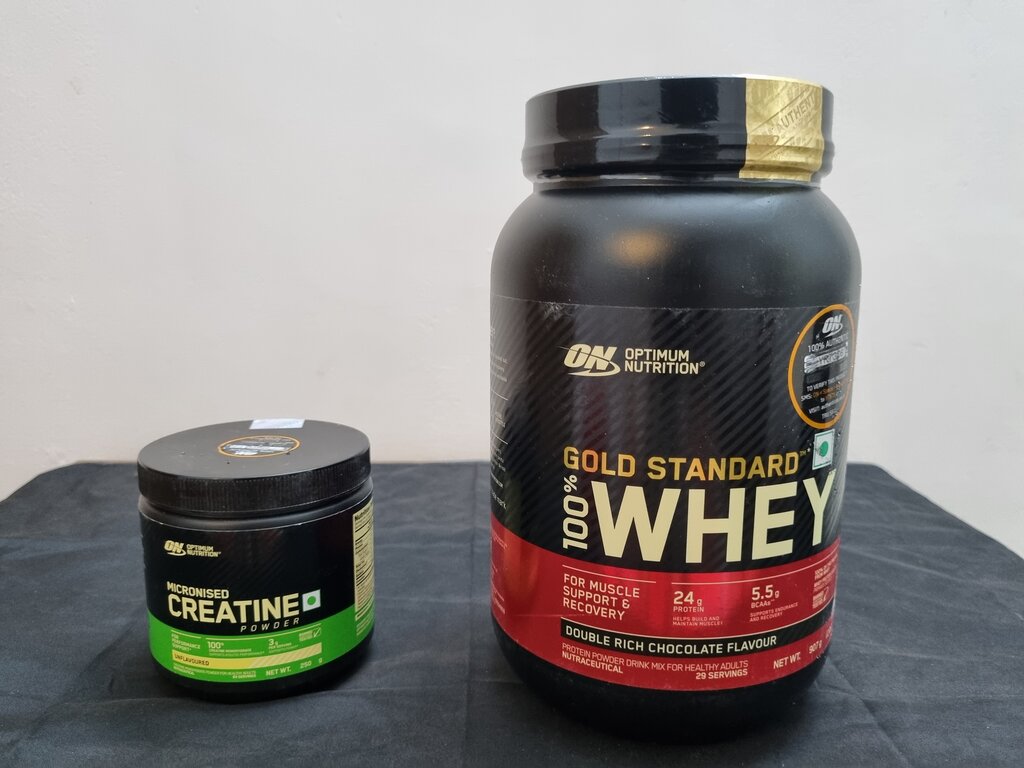
Whey protein is the fast-acting star. Because of its high solubility, it dissolves quickly and is rapidly absorbed in the duodenum, the first part of your small intestine. This sends a quick flood of amino acids into your bloodstream, making it perfect for kickstarting muscle repair right after a workout. Whey isolate is an even more filtered version, with less fat and lactose, allowing for even faster absorption.
Casein, on the other hand, is the slow and steady marathon runner. When it hits the acidic environment of your stomach, it coagulates, or forms a gel-like substance. This clumping action slows down digestion significantly, leading to a sustained, gradual release of amino acids over several hours.
This makes casein a poor choice for immediate post-workout recovery but an excellent one for preventing muscle breakdown during long periods without food, like overnight while you sleep.
Athletes seeking to build muscle should prioritize complete protein sources like whey, casein, or plant-based alternatives to ensure they are maximizing their muscle-building potential.
The Power of Plant Proteins
Plant-based proteins have unique characteristics. Some, like soy protein, are considered 'complete' because they contain all nine essential amino acids in sufficient amounts. Others have what are called 'limiting amino acids'—an essential amino acid that is present in a lower quantity compared to others.
For example, rice protein is often low in the amino acid lysine, while pea protein is lower in methionine. This is where blending comes in. By combining different plant protein sources, you can create a synergistic effect. A classic example is a pea and rice protein blend. The pea protein makes up for the lysine deficit in the rice, and the rice protein covers the methionine gap in the pea. The result is a complete amino acid profile that rivals animal-based sources.
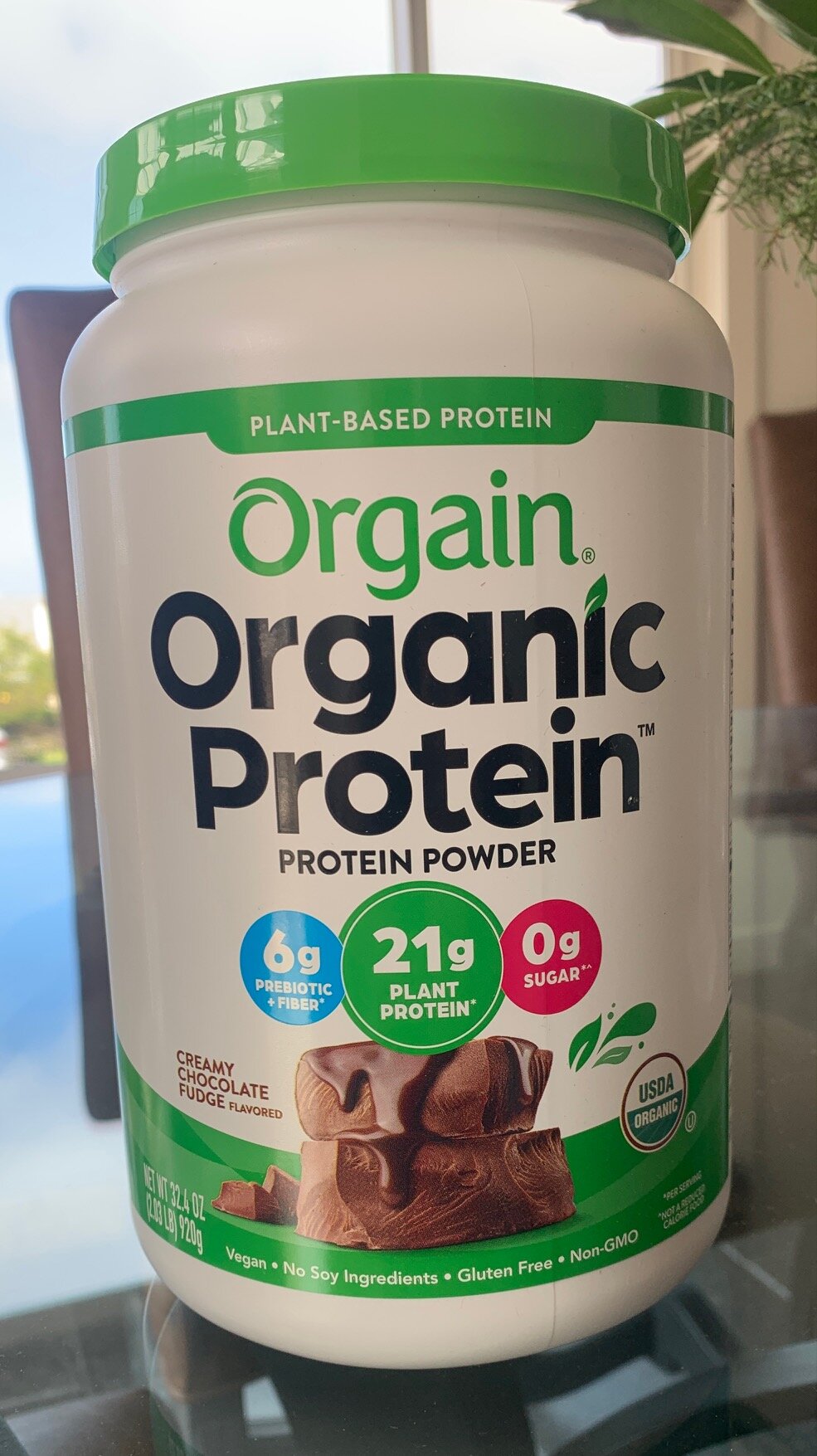
Combining complementary plant proteins, such as grains with legumes, is a time-tested strategy to ensure you're getting the full spectrum of essential amino acids your body needs.
Leucine, the Muscle Trigger
While all essential amino acids are important for building muscle, one stands out as the primary trigger: leucine. Think of it as the ignition key that starts the engine of muscle protein synthesis (MPS), the process of building new muscle tissue.
Leucine
noun
An essential branched-chain amino acid (BCAA) that plays a critical role in stimulating muscle protein synthesis, regulating blood sugar, and providing the body with energy.
Your body needs a certain amount of leucine in a single meal to kick MPS into high gear. This is known as the 'leucine threshold,' typically estimated to be around 2.5 to 3 grams.
This is a major reason why whey protein is so popular for muscle building; it is naturally very rich in leucine, easily hitting the threshold in a standard serving. While many plant proteins have less leucine per gram, properly formulated blends or slightly larger serving sizes can easily meet this crucial trigger point.
Understanding these nuances allows you to choose the right protein source for your specific goals, whether it's rapid recovery after a workout, preventing muscle breakdown overnight, or building a complete protein profile from plant-based sources.
Which protein is characterized by its rapid absorption, making it ideal for post-workout recovery?
Casein protein provides a sustained release of amino acids because it coagulates, or forms a gel, in the acidic environment of the stomach.