Protein Dynamics and Essential Amino Acids
Essential Amino Acids Profile
The Essential Nine
Proteins are assembled from twenty different amino acids, but our bodies can't produce all of them. Nine of these are called essential amino acids because we must get them from our diet. They are the primary drivers that dictate how the body repairs tissue, regulates mood, and manages sleep. The essential nine are: histidine, isoleucine, leucine, lysine, methionine, phenylalanine, threonine, tryptophan, and valine.
The nutritional value of a protein reflects its essential amino acid composition.
Think of them as raw materials you can't make in your own factory; you have to import them. Without a steady supply of these nine molecules, critical bodily functions would grind to a halt. Each one plays a specific role, and some work together in specialized teams.
Specialized Groups
While all nine are crucial, some have unique structures and functions that set them apart. Two well-known groups are the Branched-Chain Amino Acids (BCAAs) and the Aromatic Amino Acids.
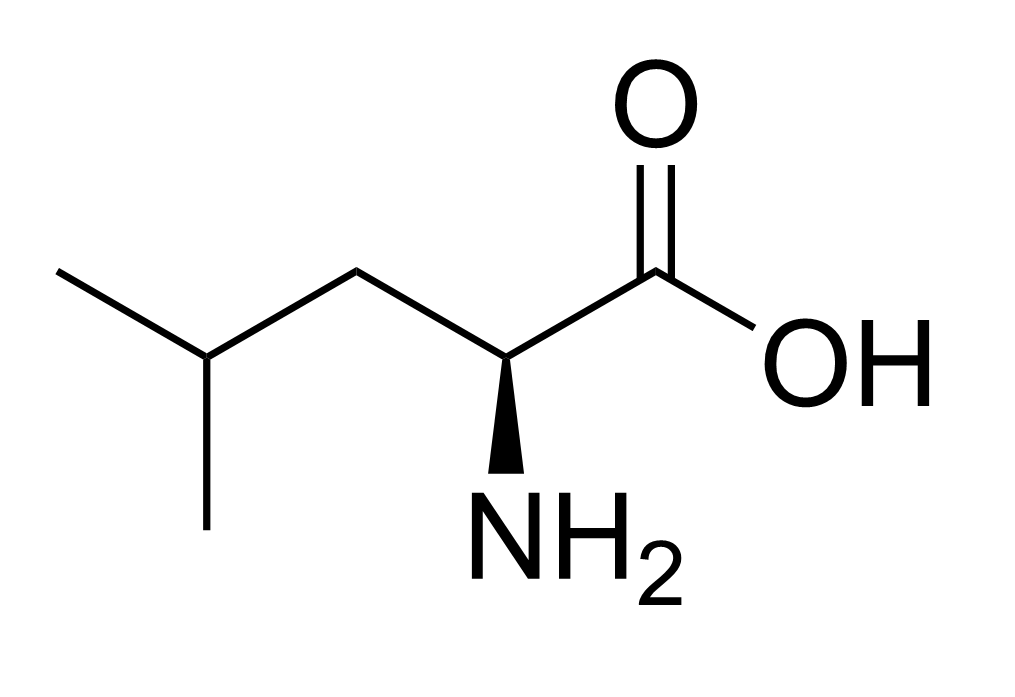
Branched-Chain Amino Acids (BCAAs) Leucine, isoleucine, and valine make up this group. They are named for their chemical structure, which has a branching side chain. Unlike most other amino acids, BCAAs are primarily metabolized in the muscle, not the liver. This makes them a direct source of energy and building blocks for muscle tissue.
Leucine is the standout of the trio. It acts as a powerful signaling molecule that triggers the mTOR pathway. Think of mTOR (mechanistic Target of Rapamycin) as a master switch for cell growth and protein synthesis. When you consume leucine, it flips this switch, telling your cells to start building and repairing muscle tissue. This is a primary reason why leucine-rich protein sources are highly valued for muscle recovery and growth.
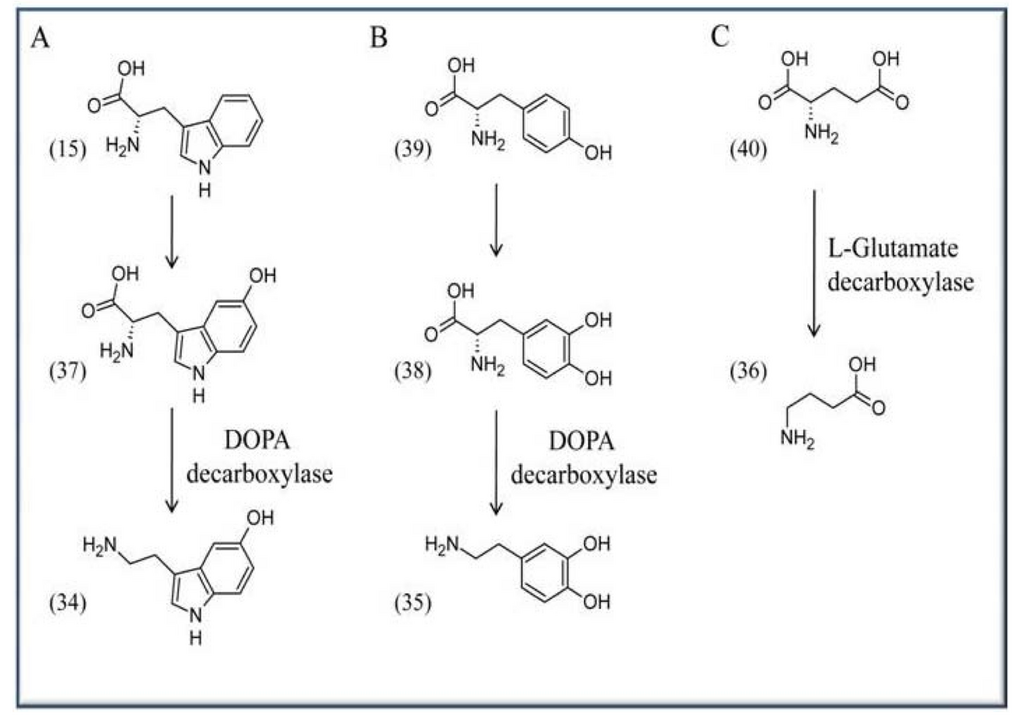
Aromatic Amino Acids This group includes phenylalanine and tryptophan. Their defining feature is an aromatic ring in their side chain, a stable ring-like structure. These amino acids are precursors for several important neurotransmitters.
Tryptophan, for instance, is the starting point for producing serotonin, a neurotransmitter that helps regulate mood, appetite, and digestion. Your body can then convert serotonin into melatonin, the hormone that controls your sleep-wake cycle. So, the tryptophan you get from your food directly influences how you feel during the day and how well you sleep at night.
The Complete Roster
Each of the nine essential amino acids has a distinct job. While we've highlighted the BCAAs and aromatic amino acids, the others are just as vital for overall health. Understanding their roles helps clarify why a balanced intake of different protein sources is so important for human nutrition.
| Amino Acid | Group | Primary Role |
|---|---|---|
| Histidine | Basic | Precursor to histamine for immune response. |
| Isoleucine | BCAA | Muscle metabolism and energy production. |
| Leucine | BCAA | Activates mTOR for muscle protein synthesis. |
| Lysine | Basic | Crucial for protein synthesis and calcium absorption. |
| Methionine | Sulfur-containing | Metabolism, detoxification, and tissue growth. |
| Phenylalanine | Aromatic | Precursor to tyrosine, dopamine, and adrenaline. |
| Threonine | Polar | Important for collagen and elastin production. |
| Tryptophan | Aromatic | Precursor to serotonin and melatonin. |
| Valine | BCAA | Muscle repair, growth, and energy. |
Now, let's test your knowledge on these crucial building blocks.
How many essential amino acids must humans obtain from their diet?
Which amino acid acts as a primary signaling molecule to initiate muscle protein synthesis by activating the mTOR pathway?
These nine molecules are fundamental to how our bodies function, linking the food we eat directly to our physical and mental well-being.