Protecting Investments from Geopolitical Risks
Introduction to Geopolitical Risk
What Is Geopolitical Risk?
Geopolitical risk refers to the threats and opportunities that arise from international political events and relationships. It’s the potential for a country's political decisions, conflicts, or social conditions to affect the interests of another country, a company, or an investor. Think of it as the ripple effect of global politics on the world of business and finance.
This isn't just about wars or major conflicts. It also includes events like national elections, changes in trade policy, sanctions, and social unrest. Anything that shifts the political landscape in one part of the world can create uncertainty and risk elsewhere.
Geopolitical Risk
noun
The risk that political actions, events, or conditions in a country or region will produce negative effects for the business interests of another.
The Three Pillars of Stability
Global stability, or the lack thereof, rests on three interconnected pillars: political, economic, and social factors. Understanding how these interact is key to grasping geopolitical risk.
Political factors include government stability, regulations, and foreign policy. An unexpected election result can lead to new laws that affect international trade. A tense diplomatic relationship can escalate into tariffs or sanctions, disrupting supply chains.
Economic factors cover everything from a country's growth rate and inflation to its monetary policy. A recession in a major economy can reduce global demand for goods, while a sudden change in interest rates can cause capital to flow out of other countries, destabilizing their currencies.
Social factors involve public sentiment, demographic trends, and civil unrest. Widespread protests can bring an economy to a standstill or force a government to change its policies. Long-term shifts, like an aging population, can also reshape a country's economic priorities and its role on the world stage.
For international investors, these factors are not abstract concepts. They directly influence market volatility, asset values, and the overall profitability of an investment. A stable political and economic environment is attractive for investment, while instability creates uncertainty that most investors try to avoid.
To keep ahead of potential hazards, investors must closely track global political trends.
Energy, Conflict, and Markets
Two of the most powerful drivers of geopolitical risk are the quest for energy security and the outbreak of armed conflict. The two are often linked.
Energy security is a nation's ability to secure sufficient, affordable, and reliable energy supplies. Because energy is essential for economic activity, countries go to great lengths to protect their access to it. This can lead to strategic alliances, but also to intense competition over resources and transit routes.
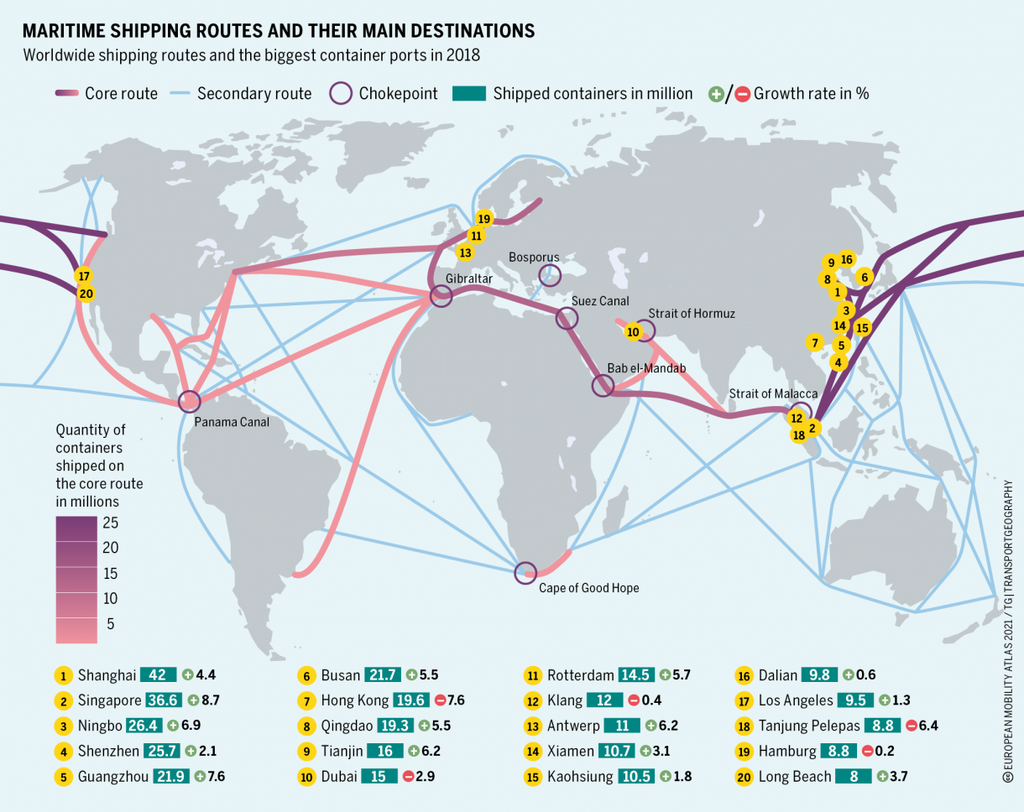
Armed conflicts are the most extreme manifestation of geopolitical risk. They destroy infrastructure, displace populations, and shatter economies. The impact on global markets can be immediate and severe. Conflicts in oil-producing regions can cause energy prices to spike, fueling inflation worldwide. They can also disrupt the production of other key commodities, from grain to microchips, leading to shortages and price volatility.
Beyond the direct economic impact, conflicts create a climate of fear and uncertainty. This
Investors tend to move their money away from risky assets like stocks and toward safer ones like gold or government bonds, a phenomenon known as a 'flight to safety'.
International organizations play a crucial role in trying to manage these risks. Bodies like the United Nations (UN) provide platforms for diplomacy to prevent conflicts from escalating. Financial institutions like the International Monetary Fund (IMF) and the World Bank work to stabilize economies and provide support during crises. Meanwhile, trade agreements and alliances aim to create a more predictable and cooperative international environment.
While these organizations cannot eliminate geopolitical risk, they provide frameworks and channels for communication that help mitigate tensions and manage the fallout when crises do occur.
Which of the following best defines geopolitical risk?
A sudden change in a major economy's interest rates causes capital to flow out of neighboring countries, destabilizing their currencies. This is an example of which type of geopolitical risk factor?