Prostate Cancer Explained
Prostate Cancer Overview
Understanding Prostate Cancer
Prostate cancer is one of the most common cancers among men. It begins when cells in the prostate gland, a part of the male reproductive system, start to grow uncontrollably. While the idea of cancer can be intimidating, understanding the basics is the first step toward awareness and proactive health.
Many prostate cancers grow slowly and remain confined to the prostate gland, where they may not cause serious harm. However, other types are more aggressive and can spread quickly to other parts of the body. The key is knowing what the prostate is, what it does, and why paying attention to it is so important.
The Prostate Gland
The prostate is a small gland, roughly the size and shape of a walnut. It sits just below the bladder and in front of the rectum, wrapping around the urethra—the tube that carries urine out of the body.
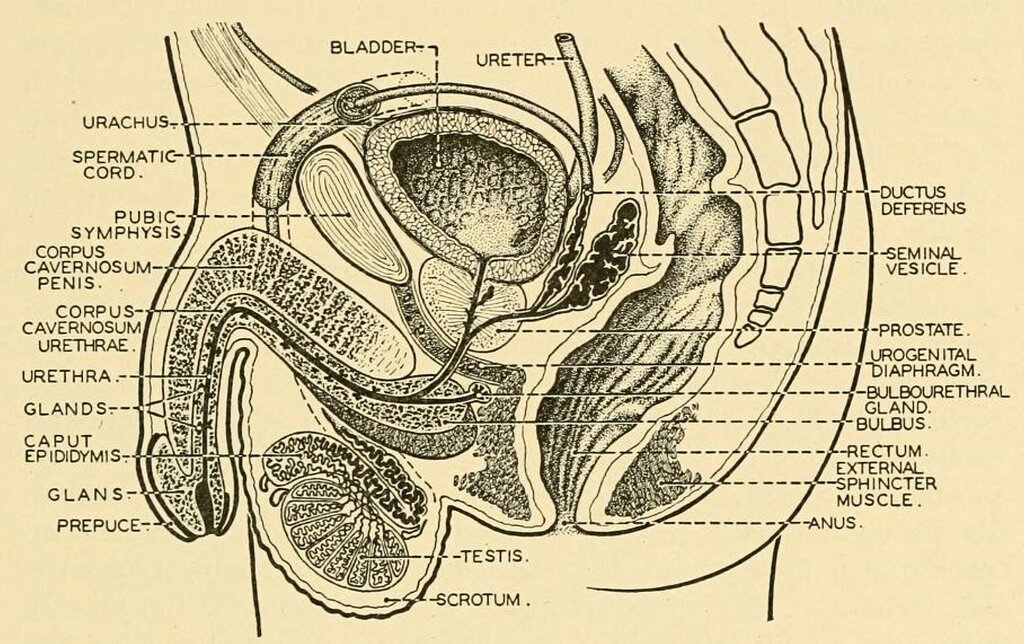
Its main function is to produce some of the fluid that makes up semen. This fluid, called seminal fluid, nourishes and protects sperm. During ejaculation, the prostate squeezes this fluid into the urethra, where it mixes with sperm from the testicles.
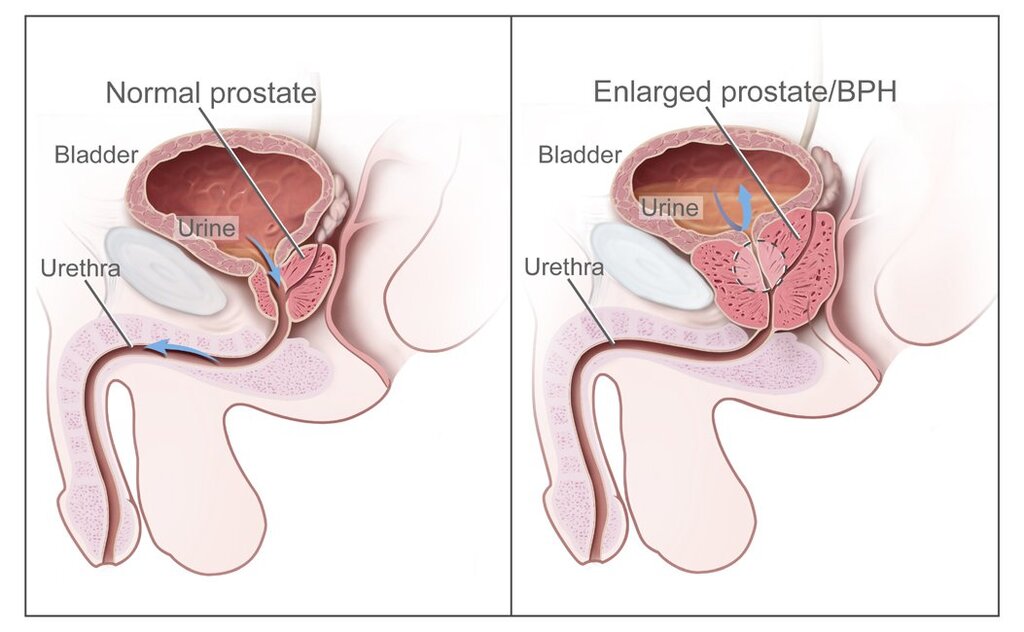
Because of its location, any changes to the prostate, whether from cancer or a non-cancerous condition like enlargement, can affect urination. This might lead to symptoms like a frequent need to urinate, a weak stream, or difficulty starting or stopping.
Why Early Awareness Is Key
One of the most important things to know about prostate cancer is that it often develops without any noticeable symptoms in its early stages. When the cancer is small and contained within the gland, it typically doesn't cause problems.
When found early, prostate cancer is highly treatable. This is why awareness and understanding the need for screening are so crucial.
As the tumor grows, it may begin to cause the urinary symptoms mentioned earlier. However, waiting for symptoms to appear is not a reliable strategy. By the time symptoms are obvious, the cancer may have grown larger or spread beyond the prostate, making it more difficult to treat.
This basic knowledge sets the stage for learning about risk factors and screening options, which are vital tools for catching the disease early.