Proportional Representation Seat Apportionment
Introduction to Proportional Representation
What is Proportional Representation?
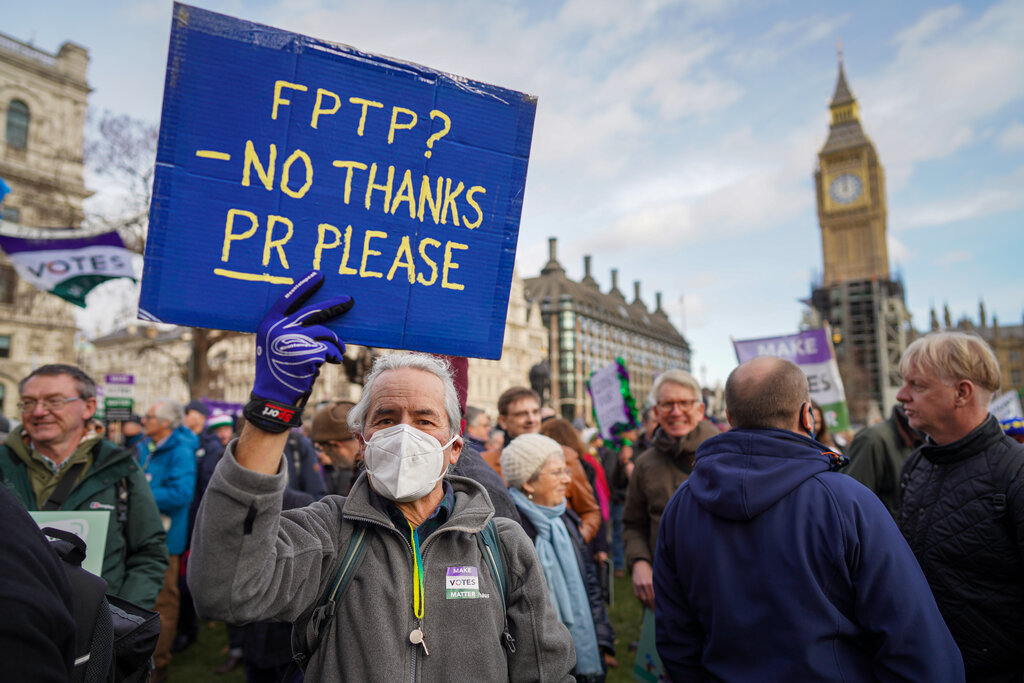
In many electoral systems, winning is everything. A candidate might win a district with 51% of the vote, and the other 49% of voters get no representation. This is often called a "winner-take-all" or majoritarian system. Proportional representation, or PR, offers a different approach. The core idea is simple: the percentage of seats a political party gets in a legislature should be as close as possible to the percentage of votes it received from the public. If a party wins 30% of the vote, it should get roughly 30% of the seats.
The main goal of PR is to create a government that accurately reflects the full spectrum of political views in a country. It aims to reduce the number of "wasted votes"—votes cast for a losing candidate that result in no representation. By ensuring that smaller parties can win seats, PR systems empower more voters and can lead to a more diverse and representative legislature.
Where Did PR Come From?
The concept of proportional representation emerged in the 19th century, largely in Europe. As more people gained the right to vote and new political parties formed, many grew dissatisfied with majoritarian systems that often excluded minority voices. Political thinkers and reformers argued for a fairer method of translating votes into seats.
Belgium was the first country to adopt a party-list PR system for its national elections in 1899. Other European nations, like Switzerland and the Nordic countries, soon followed. They saw it as a way to manage political and social divisions, giving different groups a stake in the government and fostering compromise.
Different Flavors of PR
Proportional representation isn't a single system, but a family of them. While they share the same goal, they work in slightly different ways. The two most common types are Party-List PR and Mixed-Member Proportional.
Party-List PR: This is the most widespread form of proportional representation. Voters choose a party, not an individual candidate. The country is often divided into large, multi-member districts (or is one single district). After the votes are counted, each party is awarded a number of seats in proportion to its share of the vote. If a party gets 10 seats, they are typically filled by the first 10 people on the party's pre-determined list of candidates.
Mixed-Member Proportional (MMP): This system tries to combine the best of both worlds. Voters cast two votes. One vote is for a local candidate in their single-member district, just like in a majoritarian system. The second vote is for a political party. The district seats are filled first. Then, the party-vote totals are used to award additional seats from regional or national lists to ensure that each party's total share of seats in the legislature is proportional to its share of the party vote. Germany and New Zealand are well-known examples of countries that use MMP.
| Feature | Proportional Representation | Majoritarian System |
|---|---|---|
| Representation | Aims to mirror the full electorate | Can exclude or underrepresent smaller parties |
| Vote Power | Nearly every vote helps elect someone | Many votes are "wasted" on losing candidates |
| Government Type | Often produces multi-party coalitions | Usually creates a single-party majority |
| Simplicity | Can be more complex for voters | Very simple to understand and use |
Advantages and Challenges
The primary advantage of PR is fairness. It ensures that political minorities get a voice in government, which can increase political engagement and reduce feelings of alienation. This can be especially important in countries with deep ethnic, religious, or political divides. By encouraging parties to work together in coalitions, PR can also promote dialogue and compromise.
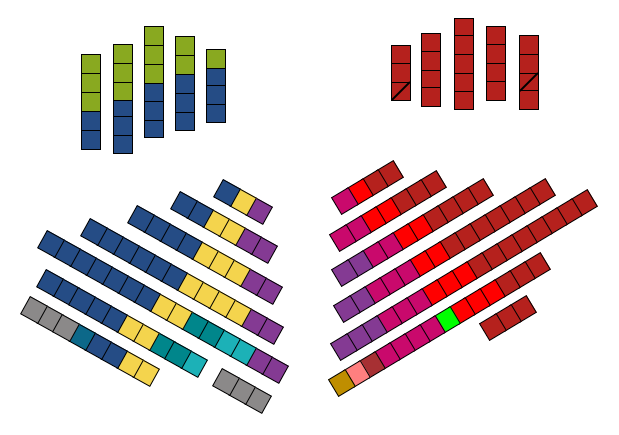
However, PR systems are not without challenges. Coalition governments can sometimes be unstable or take a long time to form after an election. In some systems, the link between a representative and their geographic constituency can be weaker than in majoritarian systems. Extremist or fringe parties may also find it easier to gain a platform by winning a small number of seats, which can be a concern for political stability.
Ready to test your understanding of these electoral systems?
What is the primary goal of a proportional representation (PR) electoral system?
In a Mixed-Member Proportional (MMP) system, what are the two votes that a voter typically casts?
Choosing an electoral system involves trade-offs between fairness, stability, and simplicity. Proportional representation prioritizes a legislature that is a true reflection of the voters' preferences, giving a wide range of voices the chance to be heard.