Property Risk Assessment Fundamentals
Introduction to Property Risk Assessment
Spotting Trouble Before It Starts
When you buy a property, you're not just buying land and a building; you're buying a set of potential problems. A property risk assessment is simply a structured way of looking into the future to identify and understand these potential problems before they cost you money. It's like a health check-up for your investment.
Risk management in real estate is the process of identifying, assessing, and reducing anything that could hurt your investment, financially, legally, or physically.
The main objective is to make smarter decisions. By understanding the risks, you can decide if a property is a good investment, negotiate a better price, or simply walk away from a deal that's too much of a gamble. It's about replacing guesswork with a clear-eyed view of what you're getting into.
The Core Components
A good risk assessment generally follows a logical flow. It isn’t a mysterious process, but rather a methodical way to organize your thinking. It boils down to identifying what could go wrong and then figuring out how serious it might be.
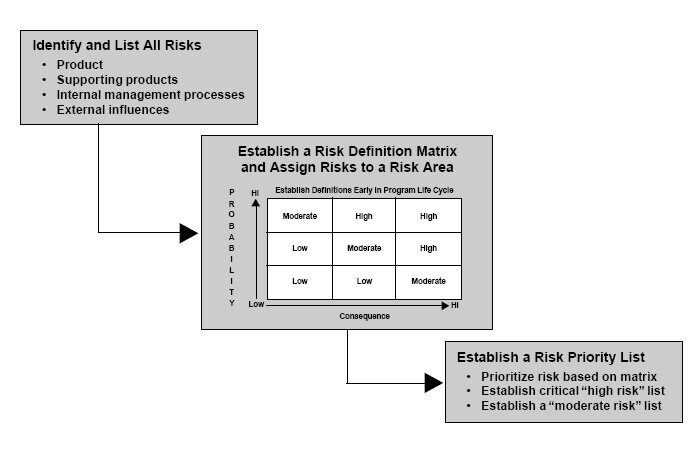
The process starts with Risk Identification. This is the brainstorming phase where you list every potential issue you can think of. These risks fall into several categories.
| Risk Category | Example |
|---|---|
| Physical | An old roof that might leak or the discovery of asbestos. |
| Financial | Unexpected increases in property taxes or insurance premiums. |
| Legal | A dispute over property lines with a neighbor. |
| Market | A downturn in the local economy that makes it hard to find tenants. |
Next comes Risk Analysis. Once you have your list, you analyze each risk based on two key factors: its likelihood (how probable is it to happen?) and its impact (how much damage would it cause?). A leaky faucet has a high likelihood but a low financial impact. A fire has a very low likelihood but a catastrophic impact.
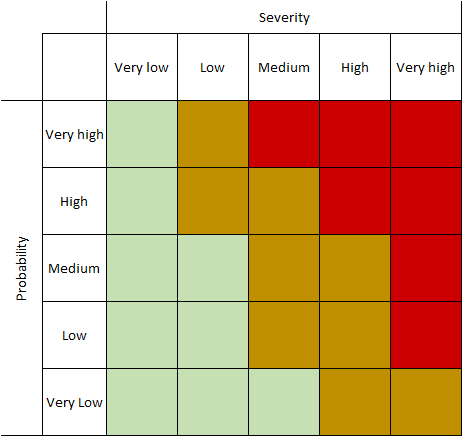
Finally, there's Risk Evaluation. This is where you combine the likelihood and impact to prioritize your risks. A problem that is both very likely and has a high impact is a critical risk that needs immediate attention. A risk that is unlikely and would have a minor impact can be monitored or even accepted.
Why It Matters
So, why go through all this trouble? Because real estate is a significant investment, and surprises are rarely good. A thorough risk assessment is fundamental to protecting your capital and maximizing your returns.
Performing a risk assessment helps you avoid overpaying for a property with hidden issues and gives you leverage in negotiations.
Ultimately, it transforms investing from a pure bet into a calculated strategy. It helps you see beyond the fresh coat of paint and understand the true health of the asset. By knowing the potential downsides, you can better plan for the future and build a more resilient investment portfolio.
What is the primary purpose of a property risk assessment?
The three main steps of a property risk assessment, in the correct order, are: Identification, __________, and Evaluation.