Property Management Operational Excellence
Synchronized Operational Workflows
Finding Your Operational Rhythm
Completing tasks is one thing. Ensuring they all work together in a seamless, predictable rhythm is another. This is where we move from simply managing properties to orchestrating them. The foundation of this harmony lies in our Standard Operating Procedures, or SOPss. These aren't just rigid rules; they are the playbooks that ensure consistency, quality, and efficiency across our entire portfolio. By mastering these workflows, you ensure that every action, from a simple maintenance request to a complex unit turn, is executed perfectly every time.
Mastering the Unit Turn
The unit turn is one of our most critical and time-sensitive operational cycles. A slow turn means lost revenue, so our process is designed for speed and precision. It begins the moment a tenant gives notice to vacate. From there, a synchronized sequence of events is triggered. The goal is to have the unit rent-ready within a standard timeframe, typically 5 to 7 business days from the move-out date. This requires coordinating inspections, maintenance, cleaning crews, and final quality checks in a tight, overlapping schedule.
Each step is documented in our centralized property management system. This isn't just for record-keeping. It provides real-time visibility for the entire team, including the lead manager, and ensures smooth handoffs between different team members and vendors.
Data, Documentation, and Dashboards
Our workflow is built on a simple principle: if it's not in the system, it didn't happen. Accurate and timely data entry is non-negotiable. Every task, communication, and expense must be logged according to specific protocols. This ensures data integrity and feeds the lead manager’s dashboard with reliable, up-to-the-minute information. This centralized system is our single source of truth, allowing for proactive oversight rather than reactive problem-solving. Your diligence in data entry directly impacts our ability to spot trends, manage budgets, and make informed strategic decisions.
This commitment to documentation is especially critical during move-in and move-out inspections. These aren't just walkthroughs; they are meticulous evidence-gathering processes. Our standard requires a minimum of 50 high-resolution photos for a standard two-bedroom unit, covering every wall, appliance, and fixture. Each photo is time-stamped and uploaded to the tenant's file in the system, accompanied by detailed notes on a standardized digital form. This rigorous documentation protects the owner's asset and provides indisputable evidence in the event of a security deposit dispute.
Start by defining clear processes for every recurring task: how crews log hours, how materials are ordered, how changes are approved, and how communication flows.
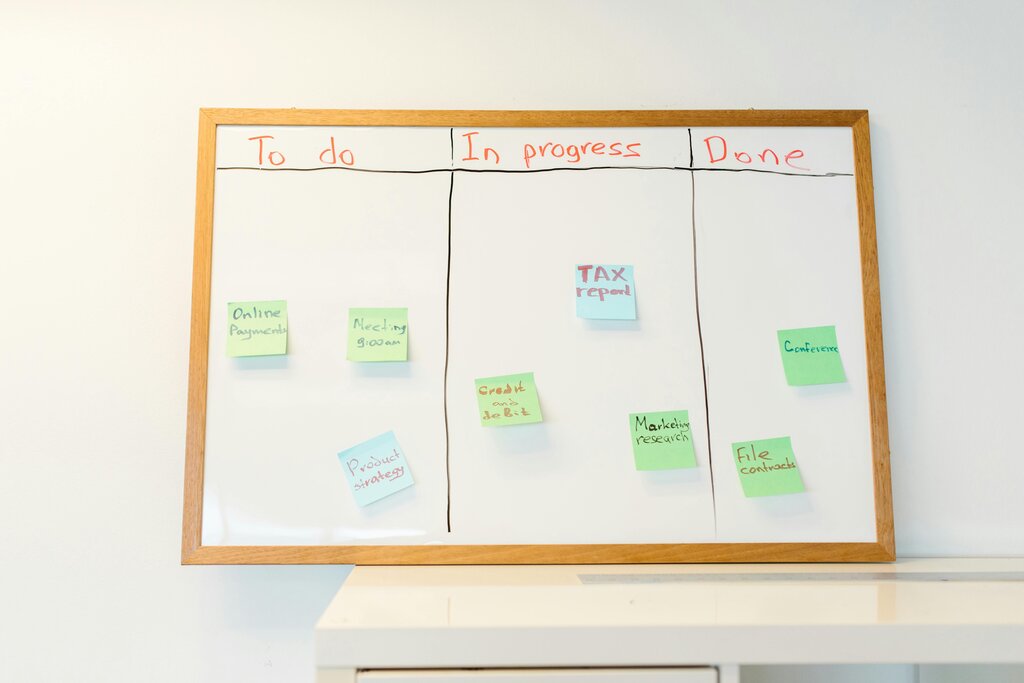
Synchronizing your daily and weekly task lists with the lead manager’s dashboard is the final piece of the puzzle. The system automatically populates many recurring tasks based on our SOPs, but it's your responsibility to manage, update, and mark them as complete. This closes the loop, confirming that the operational plan is being executed on the ground and providing the visibility needed for effective management.
What is the primary purpose of Standard Operating Procedures (SOPs) as described in the workflow?
According to the SOPs, what is the standard target timeframe for completing a unit turn, from move-out to rent-ready?