Property Development in Australia
Introduction to Property Development
What is Property Development?
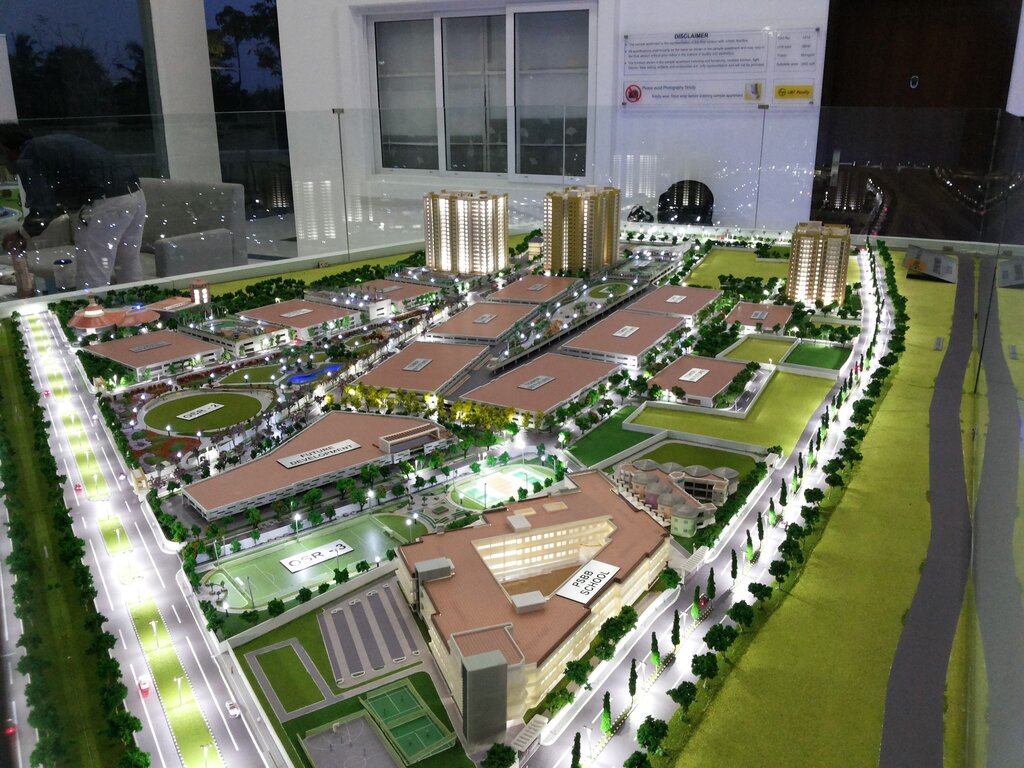
Property development is the process of creating or improving buildings and land. It’s a broad field that covers everything from buying a piece of empty land and building a new apartment complex, to renovating an old warehouse into modern office spaces. Think of it as turning a vision for a property into a physical reality.
This process involves a wide range of activities, including acquiring land, securing approvals from local councils, financing the project, overseeing construction, and finally, selling or leasing the finished product. It's a complex puzzle with many moving parts.
The Role of the Developer
A property developer is the conductor of the orchestra. They are the central figure who initiates, manages, and assumes the financial risk of a development project. They don't typically pour the concrete or draft the blueprints themselves. Instead, they assemble and lead a team of experts to bring the project to life.
A developer's key responsibilities include:
- Opportunity Finding: Identifying potential development sites and assessing their viability.
- Financial Analysis: Creating budgets, forecasting profits, and securing funding from banks or investors.
- Navigating Approvals: Working through the complex web of zoning laws and council regulations to get the necessary permits.
- Project Management: Overseeing the entire process to ensure it stays on schedule and within budget.
The Development Process
While every project is unique, most follow a similar path from concept to completion. This journey can be broken down into several key stages.
| Stage | Key Activities |
|---|---|
| 1. Feasibility | Market research, site analysis, initial financial modeling. Answering the question: "Does this project make sense?" |
| 2. Acquisition | Negotiating and purchasing the land or property. This often involves legal due diligence. |
| 3. Design & Approvals | Engaging architects to create designs. Submitting a Development Application (DA) to the local council. |
| 4. Financing | Securing the main loan for construction based on the approved plans and project costs. |
| 5. Construction | Hiring builders and managing the physical construction of the project from the ground up. |
| 6. Completion & Exit | Finishing the project, obtaining final certifications, and either selling the properties or leasing them to tenants. |
This process is rarely linear. Developers often juggle tasks from different stages at the same time and must be prepared to adapt to unexpected challenges, like delays in approvals or rising construction costs.
Why Development Matters in Australia
Property development is a cornerstone of the Australian economy. It creates jobs for thousands of people, from builders and electricians to architects and real estate agents. The industry's activity is a significant contributor to the nation's Gross Domestic Product (GDP).
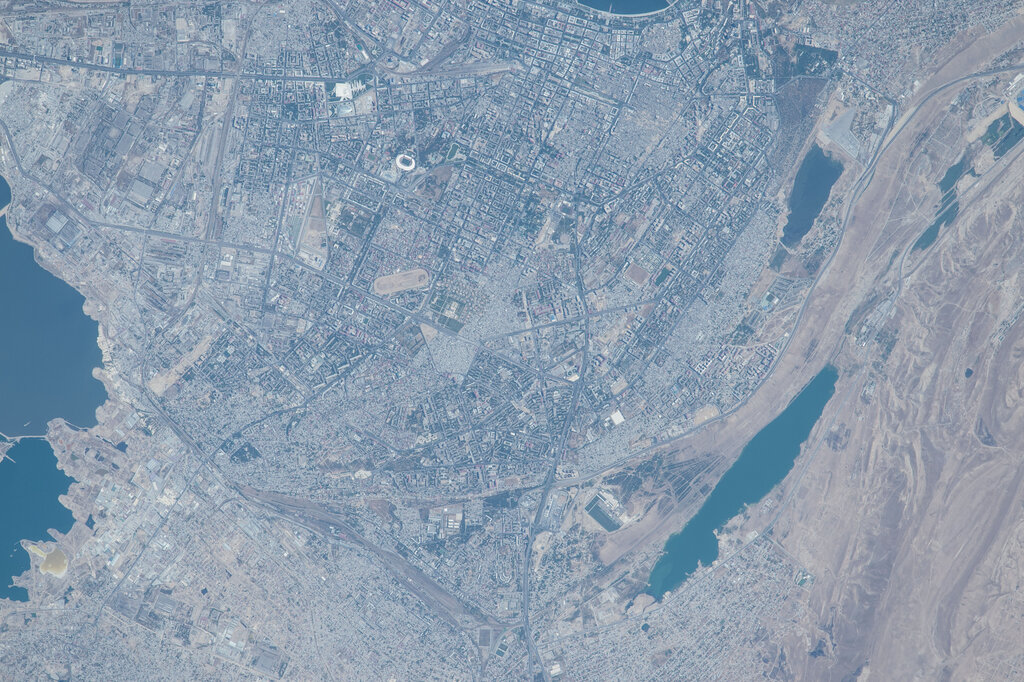
Beyond the economic impact, development plays a crucial role in shaping our communities. It determines where we live, work, and shop. Good development can create vibrant, livable neighborhoods with access to parks, public transport, and amenities. It directly influences urban planning by transforming underused areas, increasing housing density in cities, and accommodating a growing population.
Thoughtful, well-planned development is essential for building sustainable and functional communities for the future.
Now, let's test your understanding of these foundational concepts.
What is the primary role of a property developer in a project?
Which of the following is an example of property development?
Property development is a multifaceted field that combines finance, planning, and construction to shape the physical environment. From the initial idea to the final sale, the developer guides the entire process, making critical decisions that impact our cities and economy.