Property Development Fundamentals
Introduction to Property Development
What is Property Development?
Property development is the process of buying land or existing properties and adding value to them. It’s a creative and complex business that shapes the world around us. This isn't just about construction. It’s about seeing potential where others don't, whether that means turning an old warehouse into apartments, building a new shopping center, or developing an entire residential neighborhood from an empty field.
Property Development
noun
A multifaceted business process, encompassing activities that range from the renovation and re-lease of existing buildings to the purchase of raw land and the sale of developed land or parcels to others.
The scope can be small or massive. A developer might work on a single project, like converting a large house into two smaller units. On the other end of the spectrum, large development companies manage multi-year projects that create entire communities with homes, schools, and parks. At its core, development is about turning ideas into physical spaces where people live, work, and play.
Why It Matters
Property development is a powerful engine for economic growth. It creates jobs for architects, engineers, construction workers, and real estate agents. New developments also generate tax revenue that funds public services like schools, roads, and emergency services.
More importantly, development directly impacts how we live. Thoughtful projects can revitalize neglected areas, create much-needed housing, and build vibrant, walkable communities. When done well, it provides the physical framework for society to thrive.
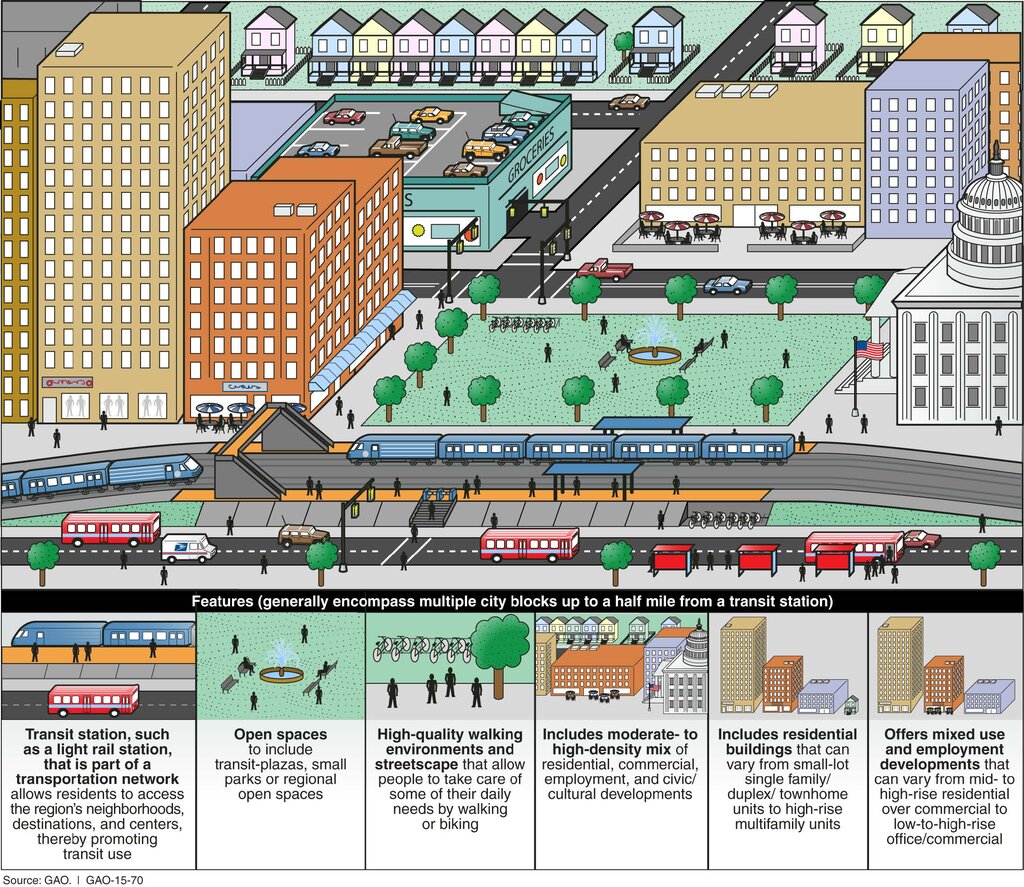
An effective property developer must also be aware of upcoming infrastructure projects and zoning changes that could affect property values.
The Development Journey
Every development project follows a general path from an idea to a finished building. While the details vary, the core stages are consistent. Think of it as a lifecycle with distinct phases, each with its own challenges and goals.
1. Site Acquisition This is the starting line. It involves finding and securing a suitable piece of land or an existing property. Developers look for locations with potential, considering factors like zoning laws, location, and market demand. This stage requires negotiation and careful legal work to purchase the site.
The acquisition phase is the first stage in the lifecycle of a commercial real estate asset.
2. Feasibility & Planning Before committing millions of dollars, a developer must do their homework. The feasibility study is a critical step to determine if the project is viable. This involves market research to understand what potential buyers or tenants want, preliminary designs to see what can be built, and financial analysis to forecast costs and potential profits.
3. Design & Approvals Once the project seems viable, the team creates detailed architectural and engineering plans. These blueprints are then submitted to local government agencies for approval. This can be a long process involving zoning permits, building permits, and environmental reviews. Getting the green light is a major milestone.
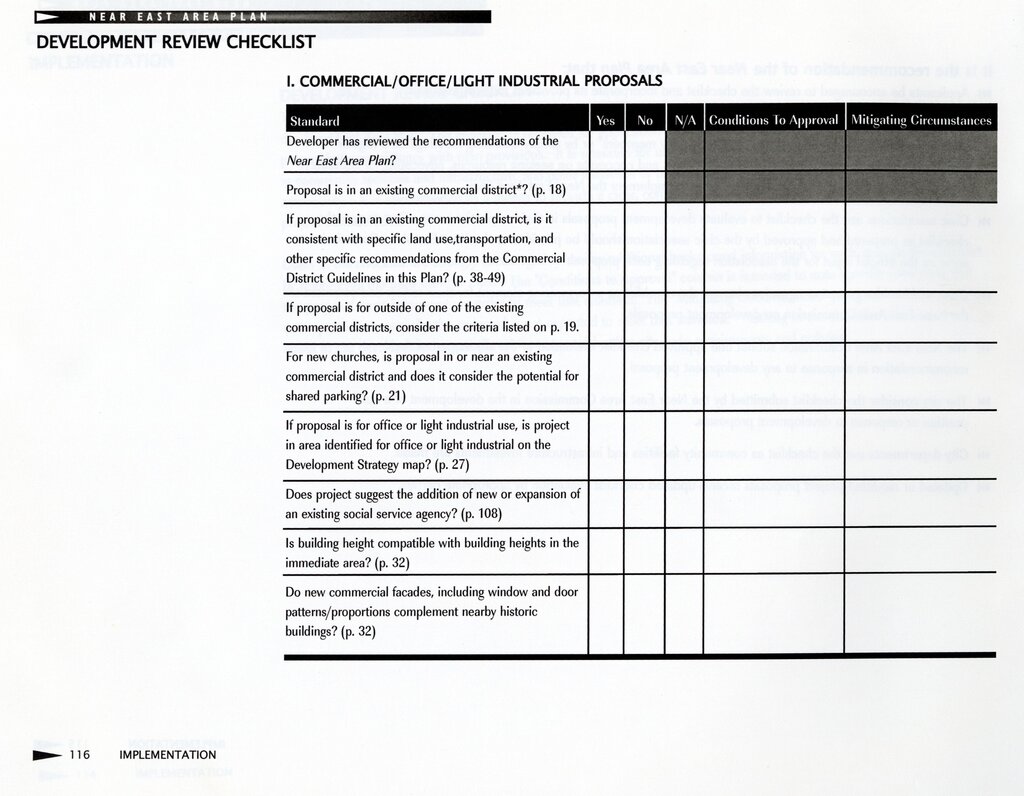
4. Construction With financing and permits in place, it's time to build. The developer hires a general contractor who manages the entire construction process, from breaking ground to installing the final fixtures. This is often the longest and most capital-intensive phase of the project.
5. Marketing & Sales (or Leasing) Marketing often begins long before construction is finished. The goal is to secure buyers or tenants for the new property. This involves creating marketing materials, setting up showrooms, and working with real estate agents to pre-sell or pre-lease units, which can help with financing and demonstrate market demand.
6. Completion & Handover This is the final stage. Once construction is complete and the building passes all inspections, the developer can officially complete sales and hand over the keys to the new owners or tenants. For the developer, this marks the successful conclusion of the project, turning their vision into a tangible asset.
Understanding these stages provides a roadmap for how our built environment comes to be, from a simple idea to a place people call home or work.