Propane Line Sizing Made Simple
Propane Basics
What Exactly is Propane?
Propane is a simple but powerful fuel. At its core, it's a hydrocarbon, meaning it's made of hydrogen and carbon atoms. Its chemical formula is . This tells us each molecule of propane has three carbon atoms bonded together in a chain, with eight hydrogen atoms attached to them.
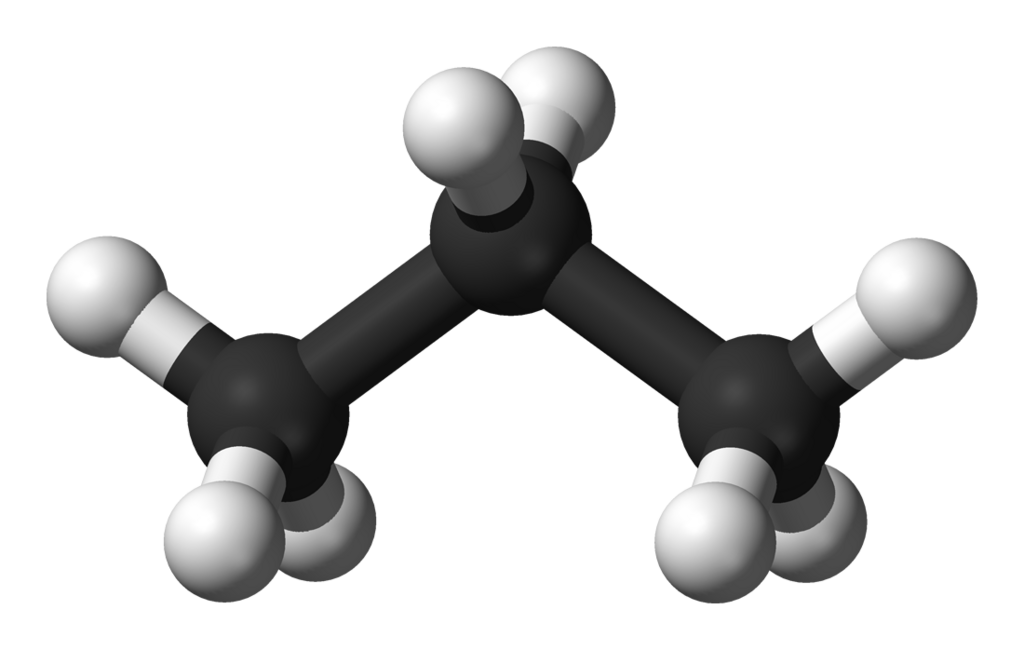
Propane doesn't just appear out of nowhere. It's a byproduct, separated during natural gas processing and crude oil refining. Because it's easily compressed into a liquid, it's much easier to store and transport than natural gas. This portability is one of its biggest advantages.
Energy in a Small Package
The main reason we use propane is for the energy it releases when burned. It packs a significant punch for its size. In its gaseous state, propane contains about 2,500 British Thermal Units (BTUs) of energy per cubic foot. A BTU is the amount of heat needed to raise the temperature of one pound of water by one degree Fahrenheit.
Since it's usually handled as a liquid, it's also useful to know its energy content by volume. One gallon of liquid propane contains approximately 91,500 BTUs. This high energy density makes it an efficient fuel source for everything from heating a home to powering a vehicle.
One cubic foot of propane gas provides about 2,500 BTUs of heat energy.
From Grills to Fleets
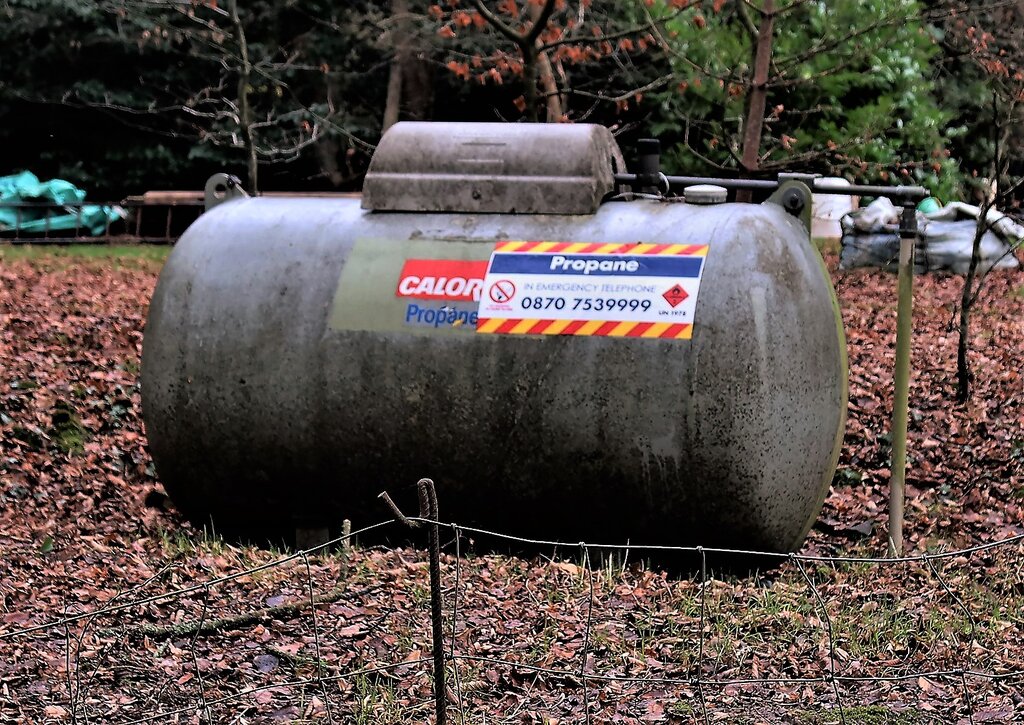
Propane is incredibly versatile. You've most likely seen it in a tank connected to a barbecue grill, but its uses go far beyond weekend cookouts. In homes, it's a common fuel for furnaces, water heaters, clothes dryers, and kitchen stoves, especially in rural areas where natural gas lines aren't available.
Commercially, propane powers fleets of vehicles, from school buses to delivery vans, because it burns cleaner than gasoline or diesel. It also fuels forklifts in warehouses, since its emissions are less harmful in enclosed spaces. In agriculture, it's used for crop drying, heating greenhouses, and powering irrigation pumps.
Key Physical Properties
To handle propane safely and effectively, it's important to understand a few of its key physical properties. These traits dictate how it behaves under different conditions.
Density
noun
The degree of compactness of a substance, expressed as its mass per unit volume.
Propane vapor is about 1.5 times heavier than air. This is a crucial safety consideration. If propane gas leaks, it won't rise and dissipate like natural gas. Instead, it will sink and collect in low-lying areas like basements or crawl spaces, creating a potential hazard.
In its liquid form, propane is lighter than water, with about half the density. If liquid propane were spilled on water, it would float on top while quickly boiling into a vapor.
Because it's heavier than air, propane gas from a leak will settle in low spots.
Another important property is its boiling point. Propane boils at -44°F (-42°C). This extremely low boiling point means that even on a very cold day, liquid propane will readily turn into a vapor when released from its pressurized container. This process of vaporization is what allows it to be used as a fuel in your furnace or grill.
Finally, let's look at vapor pressure. Inside a tank, liquid propane is in equilibrium with propane vapor, and this vapor exerts pressure on the walls of the tank. This pressure increases as the temperature rises. That's why propane tanks are never filled to 100% capacity; a space, typically around 20%, is left for the liquid to expand safely as it gets warmer.
| Property | Value | Significance |
|---|---|---|
| Chemical Formula | 3 Carbon, 8 Hydrogen atoms | |
| Boiling Point | -44°F (-42°C) | Vaporizes easily at normal temperatures |
| Vapor Density | ~1.5x air | Leaking gas sinks and collects in low areas |
| Energy Content | ~2,500 BTU/ft³ (gas) | A dense and efficient source of energy |
Time to review what you've learned about this common fuel.
Ready to test your knowledge? Let's see what you remember.
What is the chemical formula for a molecule of propane?
Propane vapor is heavier than air, so a gas leak will tend to sink and collect in low-lying areas.
Understanding these fundamental properties is the first step toward working with propane systems safely and efficiently.