Propagating the Chinese Money Plant
Introduction to Pilea Peperomioides
Meet the Pancake Plant
You've probably seen it on social media or in a stylish friend's home. With its bright green, coin-shaped leaves that seem to hover on slender stems, the Pilea peperomioides is hard to miss. It goes by many names: Chinese Money Plant, UFO Plant, or Pancake Plant. Whatever you call it, this plant has become a modern classic in the world of houseplants.
Its most striking feature is its leaves. They are nearly perfectly round, smooth, and leathery, growing from the top of a central, upright stem. As the plant matures, the main stem becomes woody and may start to lean or curve, while new leaves continuously sprout from the crown, creating a lush, dome-like appearance. The way each leaf connects to its stem right in the center gives it that signature pancake look.
The flat, circular leaves are what earned the plant its charming nicknames, like UFO Plant and Pancake Plant.
A Plant with a Story
For a long time, the Western world knew very little about this plant. It's native to the Cangshan mountains in the Yunnan province of southern China, where it grows in shady, rocky forests at high altitudes.
Its journey into homes across the globe is a fascinating piece of botanical history. In 1946, a Norwegian missionary named Agnar Espegren brought cuttings back to Norway. He shared them with friends and family, and from there, the plant spread from person to person, cutting by cutting, throughout Scandinavia and eventually the rest of the world. For decades, it was a beloved houseplant that botanists couldn't formally identify.
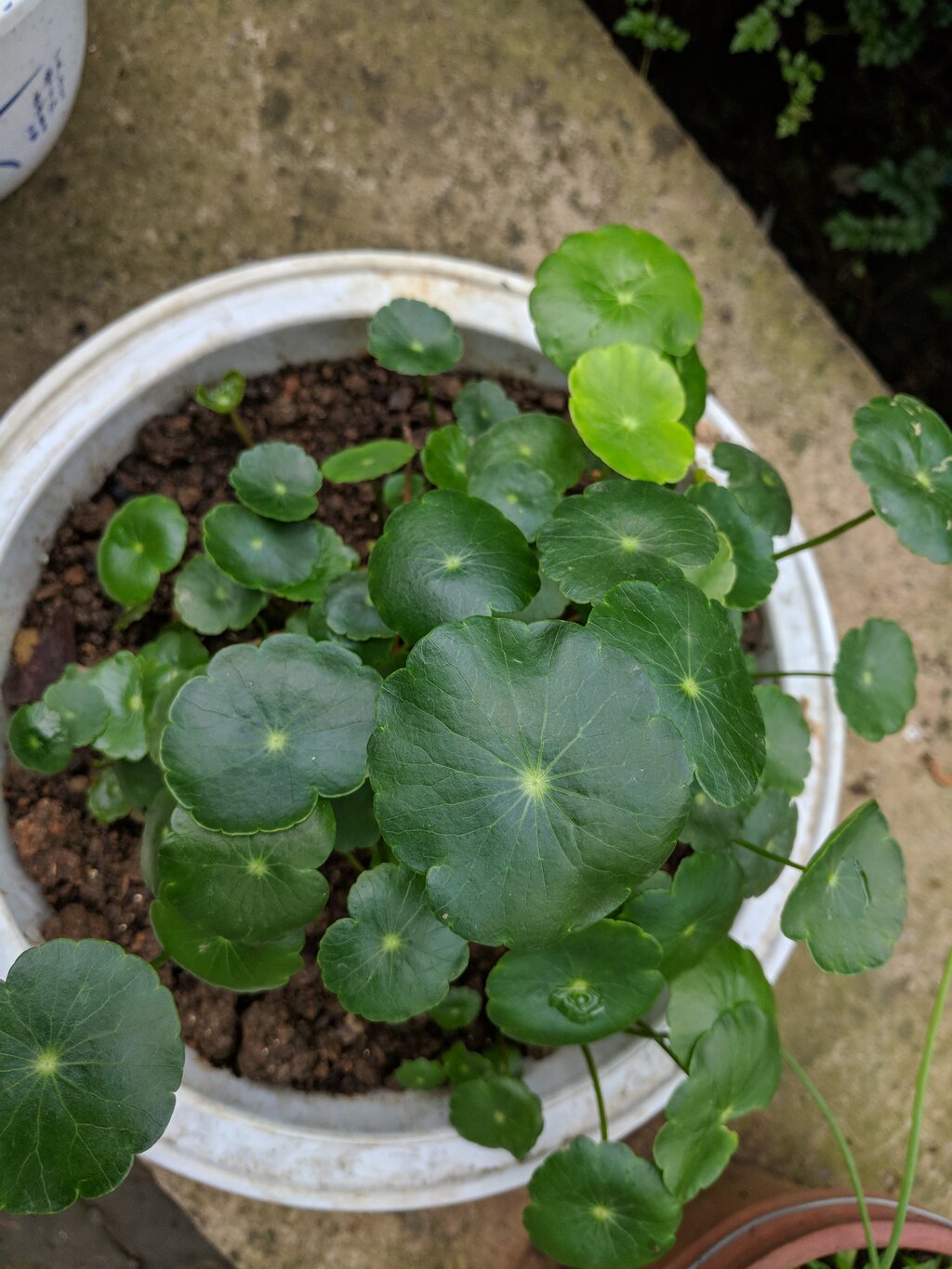
Mirror Grass
Why Everyone Loves Pilea
The Pilea's popularity isn't just about its good looks. It's also remarkably easy to live with. It doesn't demand much, thriving in the indirect light found in most homes and preferring to dry out a bit between waterings. This low-maintenance attitude makes it perfect for beginners.
But perhaps the biggest reason for its fame is its friendly nature. A healthy Pilea readily produces offshoots, or "pups," that sprout up from the soil around the mother plant. These little baby plants can be easily separated and potted on their own, making the Pilea the ultimate pass-it-on plant. This spirit of sharing is how it traveled the world in the first place, and it continues to be a favorite gift among plant lovers.
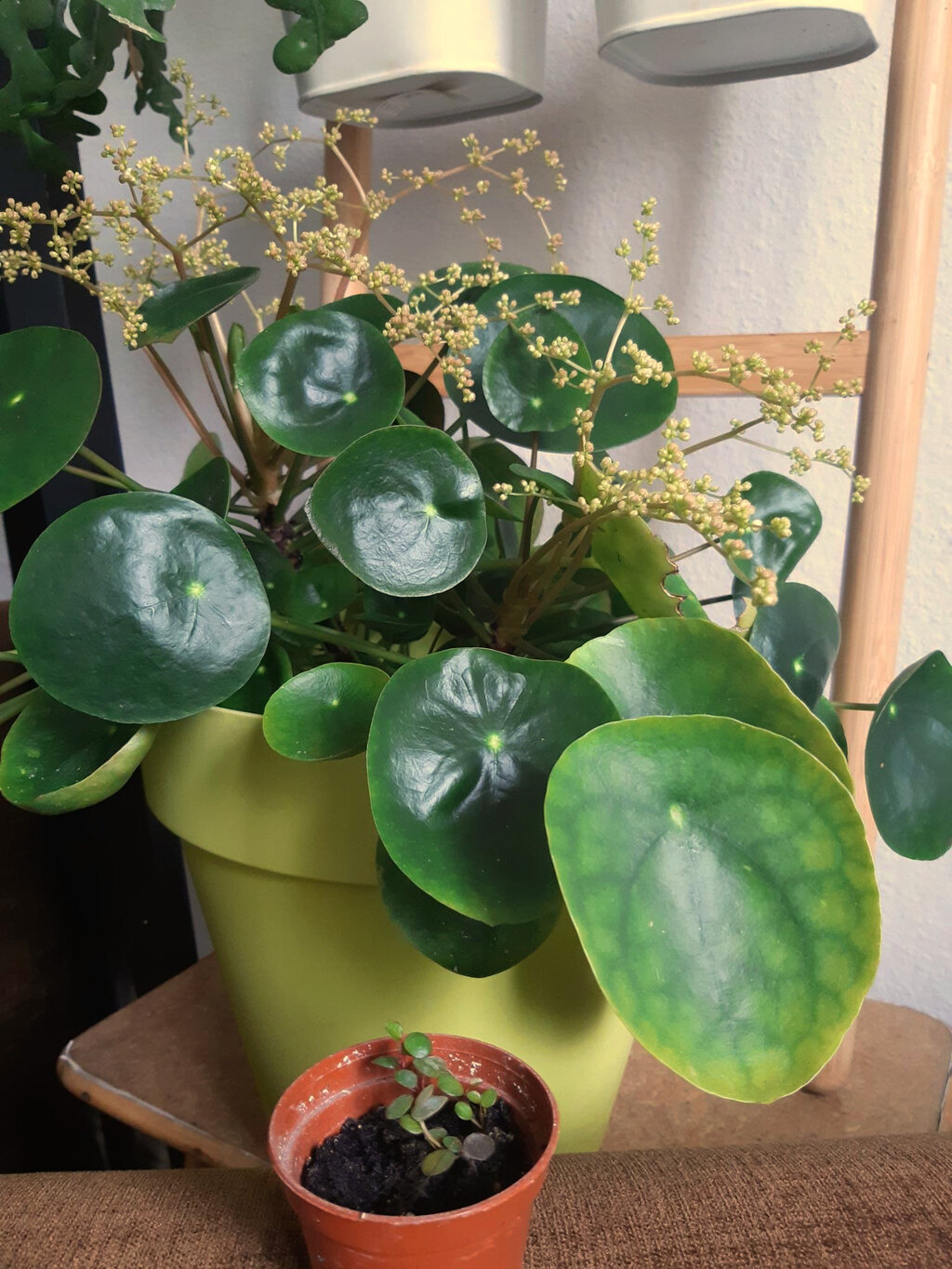
This unique growth habit, combined with its distinct appearance, has cemented the Pilea's status as a must-have for plant enthusiasts. It's a living piece of history with a cheerful look that brightens any room.