Pronouncing the Oboe
Understanding 'Oboe'
What Is an Oboe?
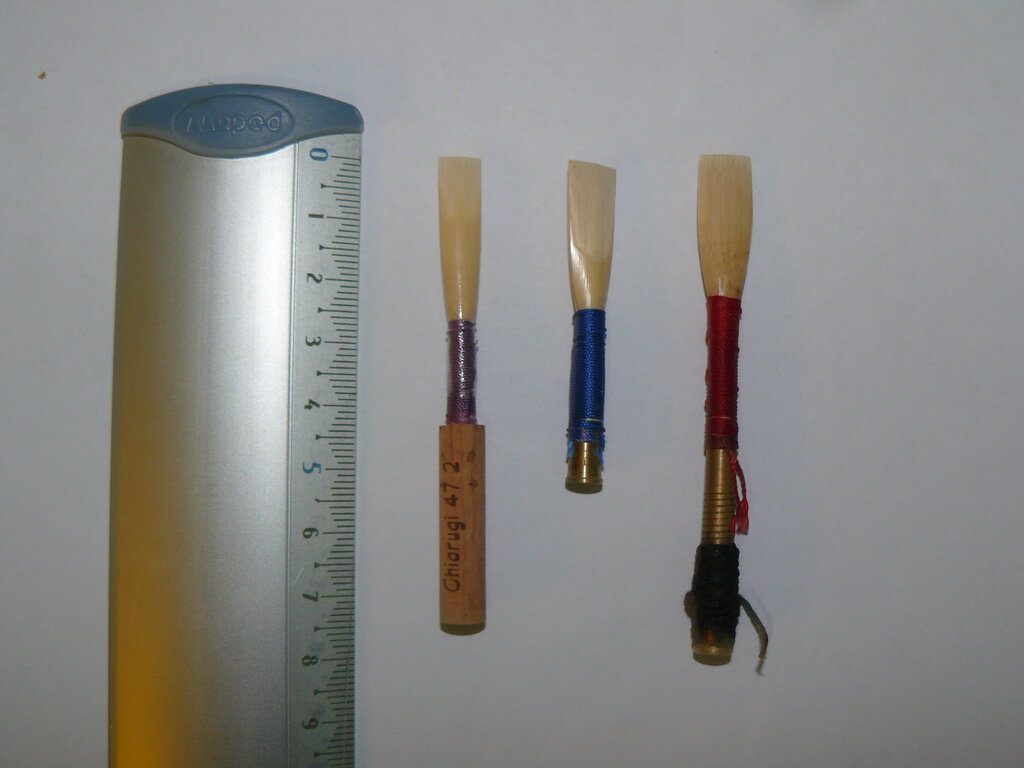
The oboe is a member of the woodwind family of musical instruments. What makes it special is its double reed, which is essentially two small pieces of cane tied together. When a musician blows air through the reed, the two pieces vibrate against each other to create the instrument's signature sound.
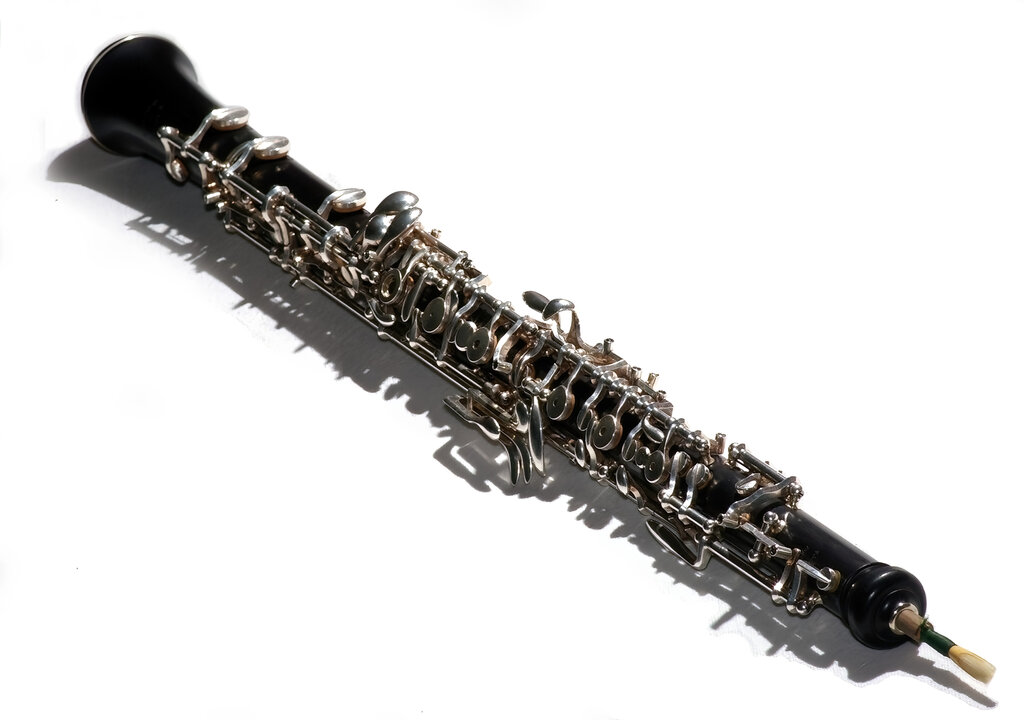
This sound is often described as clear, penetrating, and lyrical. Unlike a clarinet, which has a cylindrical tube, the oboe has a conical tube, meaning it gradually widens from the reed to the flared end, called the bell. This shape contributes to its distinct tone color, or timbre.
The oboe is a double-reed woodwind instrument known for its distinctive, penetrating tone.
How to Say Oboe
The pronunciation of "oboe" is slightly different in American and British English. To represent these sounds precisely, we can use the International Phonetic Alphabet (IPA), a system where each symbol corresponds to a single sound.
oboe
noun
A woodwind instrument with a double reed, a conical tube, and a penetrating, lyrical tone.
Let's break down the IPA for each accent. The first symbol (ˈ) simply indicates that the first syllable is stressed.
| Region | Pronunciation (IPA) | Breakdown |
|---|---|---|
| American English | /ˈoʊ.boʊ/ | oʊ: the vowel sound in "go" or "boat" |
| British English | /ˈəʊ.bəʊ/ | əʊ: the vowel sound in "go" or "coat" |
As you can see, the main difference is the vowel sound in the first syllable. The American version starts with a more distinct "oh" sound, while the British version begins with a softer, more neutral sound before gliding into the "oo".
What is the key component responsible for producing the oboe's characteristic sound?
True or False: The tube of an oboe has a cylindrical shape, similar to a clarinet.