Prompt Engineering for AI Applications
Introduction to Prompt Engineering
The Art of the Ask
Working with an AI is like having a conversation. You ask for something, and it responds. But just like with people, the quality of the answer you get depends heavily on the quality of your question. This is the core idea behind prompt engineering.
Prompt engineering is the practice of designing inputs (prompts) to guide AI models toward producing desired outputs.
Think of an AI model as an incredibly knowledgeable and powerful, but very literal, assistant. It can write essays, generate code, create images, and analyze data, but it needs clear instructions. It won't guess your intentions or fill in the blanks for you. A prompt is simply the instruction you give it.
Prompt
noun
An input, typically text, given to an AI model to elicit a specific response or to perform a particular task.
Without a well-crafted prompt, an AI's response can be generic, irrelevant, or just plain wrong. Prompt engineering is the skill of crafting those inputs to be as effective as possible.
Input Determines Output
The design of your prompt directly shapes the AI's output. A vague prompt like "Tell me about dogs" will give you a very general, encyclopedia-style summary. It’s not wrong, but it’s probably not what you were looking for.
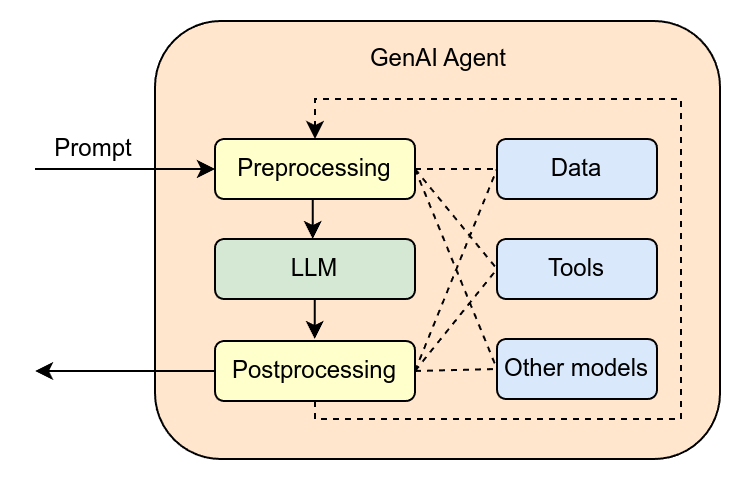
Now, consider a more engineered prompt: "Explain the concept of pack mentality in wolves to a ten-year-old, using a simple analogy." This prompt is specific. It defines the topic (pack mentality), the target audience (a ten-year-old), and the desired format (a simple analogy). The AI now has clear guardrails and is far more likely to produce a creative, useful, and targeted response.
A good prompt provides clarity, context, and constraints. It tells the AI not just what to do, but how to do it.
Mastering this skill is fundamental to using AI effectively. It transforms the tool from a novelty that gives generic answers into a powerful partner that can help with complex, creative, and technical tasks. By learning how to ask better questions, you learn how to get better answers.
What is the primary goal of prompt engineering?
The provided text compares an AI model to a "very literal assistant." What does this imply about how you should interact with it?