Prompt Engineering Essentials
Introduction to Large Language Models
What Are Large Language Models?
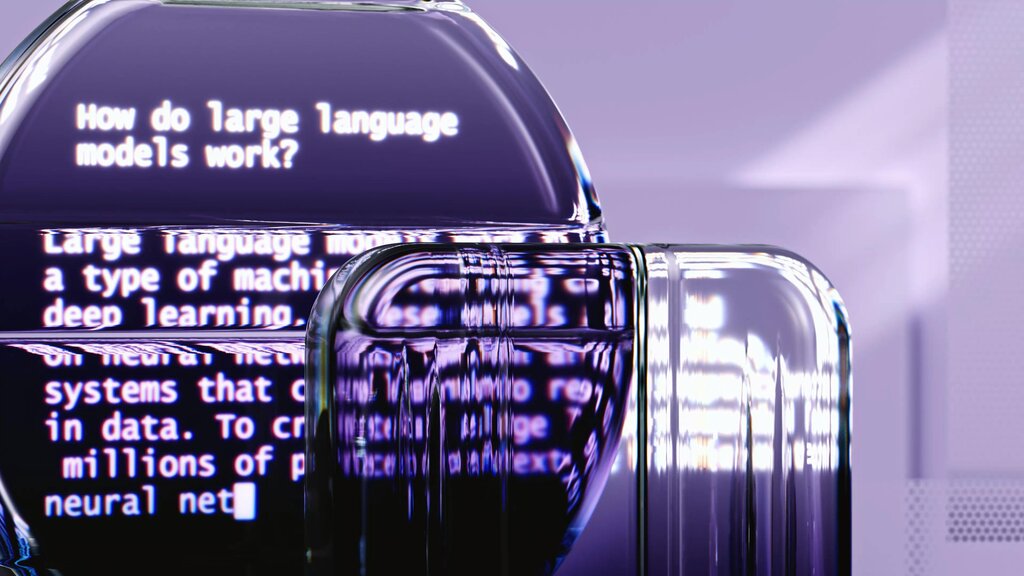
At its heart, a large language model (LLM) is an AI designed to understand and generate human-like text. Think of it as an incredibly advanced autocomplete. When you type a sentence, it predicts the next most likely word, then the next, and so on, until it forms a complete thought. This core ability comes from being trained on enormous amounts of text data from the internet, books, and other sources.
The journey to today's LLMs has been a long one. Early language models relied on statistical methods, simply counting how often words appeared together. While useful, they lacked a deep understanding of language. The real breakthrough came with the development of neural networks, which could learn complex patterns and relationships between words, paving the way for the powerful models we use now.
The Architecture Inside an LLM
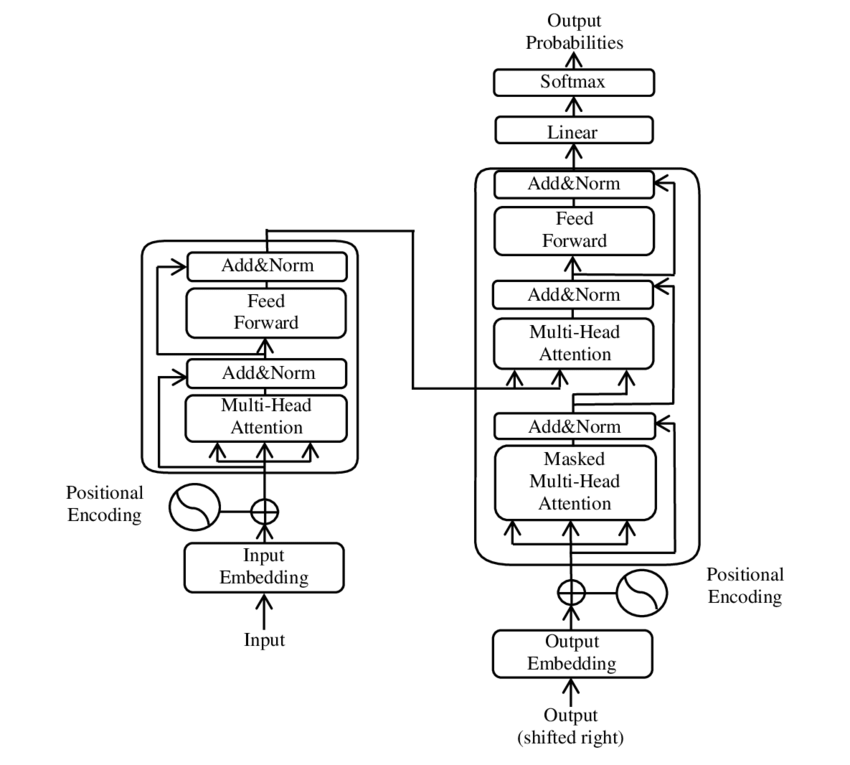
Modern LLMs are built on an architecture called the Transformer, introduced in 2017. Its key innovation is the "attention mechanism." This allows the model to weigh the importance of different words in a sentence when processing it. When you read "The cat sat on the mat, and it was fluffy," your brain instantly knows "it" refers to the cat, not the mat. The attention mechanism gives LLMs a similar ability to track relationships between words, even if they are far apart in the text.
This architecture allows the model to process input text all at once, rather than word by word in sequence. This parallel processing is far more efficient and enables the model to grasp the context of the entire passage, leading to more coherent and relevant responses.
How LLMs Learn
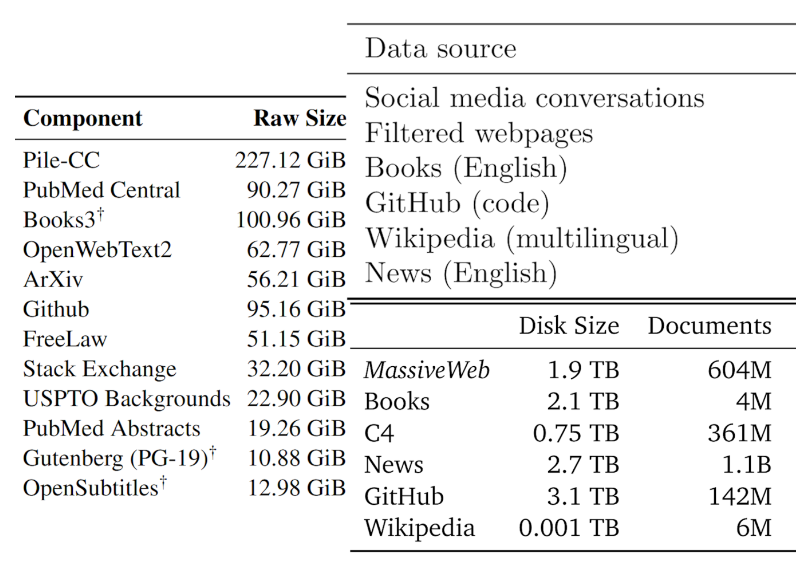
Training an LLM is a two-step process. First is pre-training, where the model learns from a massive, general dataset. We're talking about a significant portion of the public internet. During this phase, the model isn't learning a specific task. Instead, it's learning the fundamental patterns of language: grammar, facts, reasoning styles, and even biases present in the data.
The second step is fine-tuning. After pre-training, the general model can be adapted for specific tasks, like answering customer service questions or translating languages. This involves training it further on a smaller, more specialized dataset. This process refines the model's capabilities for a particular use case.
An LLM knows what it knows based on the data it was trained on. Its output is a reflection of the patterns, facts, and biases contained within that data.
Context and Tokens
LLMs don't read words the way we do. They break text down into smaller pieces called tokens. A token can be a whole word, like "apple," or just a piece of a word, like "-ing" in "running." For example, the sentence "Tokenization is important" might be broken into four tokens: Token, ization, is, important.
token
noun
A word or a piece of a word that a large language model uses to process text.
This process, called tokenization, allows the model to handle a vast vocabulary and even words it has never seen before. Each token is converted into a series of numbers (a vector) that represents its meaning in context. The model then uses these numerical representations to perform its calculations.
The amount of text an LLM can consider at one time is called its context window, which is measured in tokens. If a conversation or a document exceeds the model's context window, it will forget the earliest parts of the text. This is why understanding tokens is crucial. The way you phrase your input, or prompt, directly impacts how the model "sees" and responds to your request, all within the limits of its context window.
What is the primary function of a large language model (LLM) at its most fundamental level?
What key innovation, introduced in the Transformer architecture, allows a model to weigh the importance of different words when processing text?
With these fundamentals in place, you have a solid foundation for understanding how to interact with large language models effectively.