Prompt Engineering Essentials
Introduction to Generative AI
What Is Generative AI?
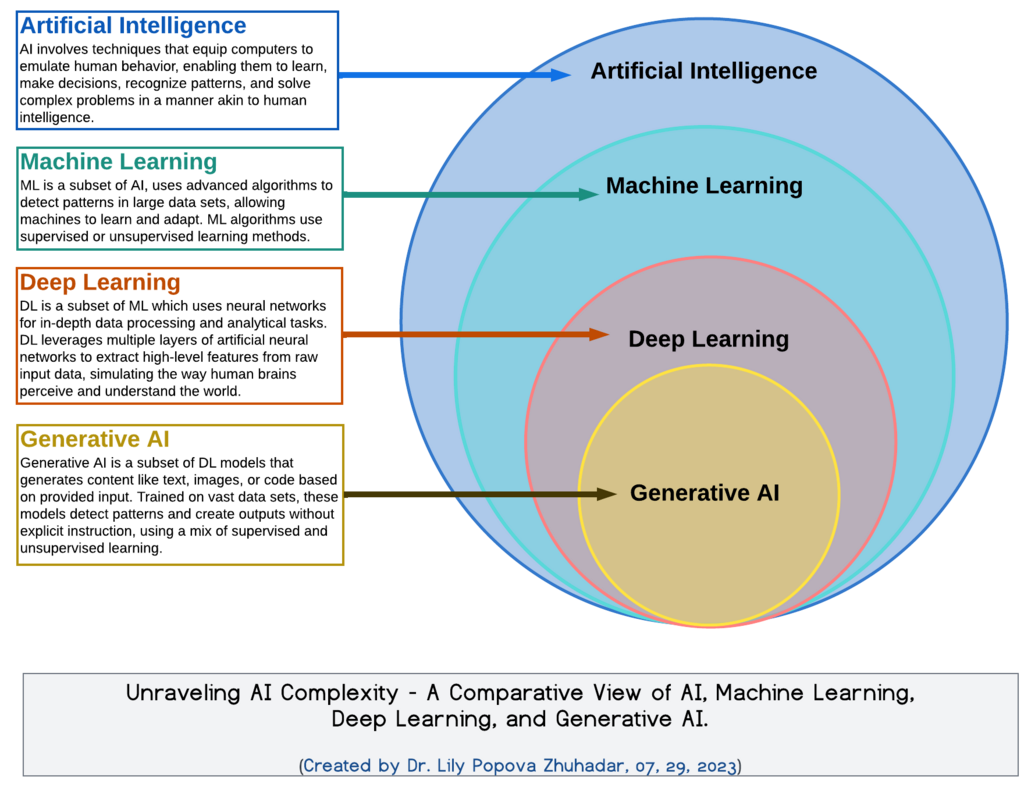
Artificial intelligence that analyzes data has been around for a while. Think of a spam filter that reads your email and decides if it's junk. That's a type of AI that classifies information.
Generative AI is different. It doesn't just analyze things that already exist. It creates something entirely new. It can write a poem, compose a song, design an image, or produce a line of code. It generates new content based on the patterns it learned from a massive amount of data.
In short, traditional AI makes predictions or classifications about existing data, while Generative AI creates new data.
Imagine showing a musician thousands of classical songs. After listening, they don't just identify other classical songs. They compose a brand-new piece in that style. That’s what Generative AI does. It learns the underlying structure of the data it's trained on, and then uses that knowledge to produce original works.
A Brief History
The idea of machines creating content isn't new, but for decades, the results were basic. Early models could produce blurry images or stilted, nonsensical text. The building blocks were there, but the technology wasn't powerful enough.
The game changed with the development of new model architectures, like transformers, and access to vast amounts of data from the internet. These advancements allowed models to understand context and nuance in a way that was previously impossible. The progress in just the last decade has been astonishing.
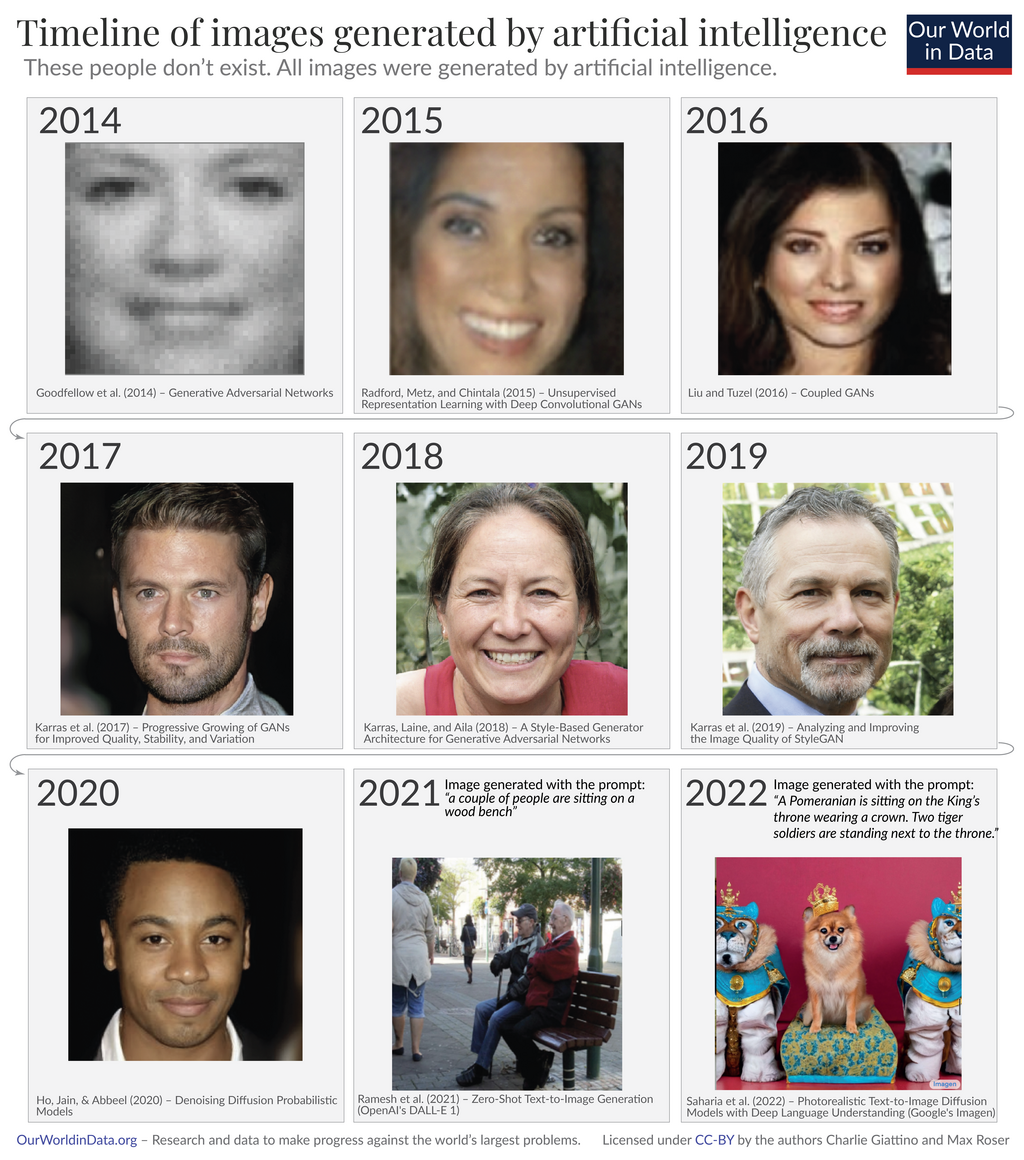
This rapid leap in quality is what brought Generative AI into the mainstream. Suddenly, AI could generate content that was not just novel, but also coherent, detailed, and often indistinguishable from human-created work.
How Is It Used?
Generative AI is more than just a novelty. It has practical applications across many industries.
- Content Creation: Writers use it to brainstorm ideas, overcome writer's block, and draft articles. Marketers use it to generate ad copy and social media posts.
- Design: Graphic designers can create unique images and logos from a simple text description. Architects can generate building concepts and interior designs.
- Problem-Solving: Programmers can use it to write, debug, and explain code, speeding up the development process. Scientists can use it to model complex systems and generate new hypotheses.
A few popular models have become household names. GPT (Generative Pre-trained Transformer) models, like ChatGPT, specialize in creating human-like text. Models like DALL·E and Midjourney focus on generating images from text prompts. Others are designed specifically for creating music, video, or code.
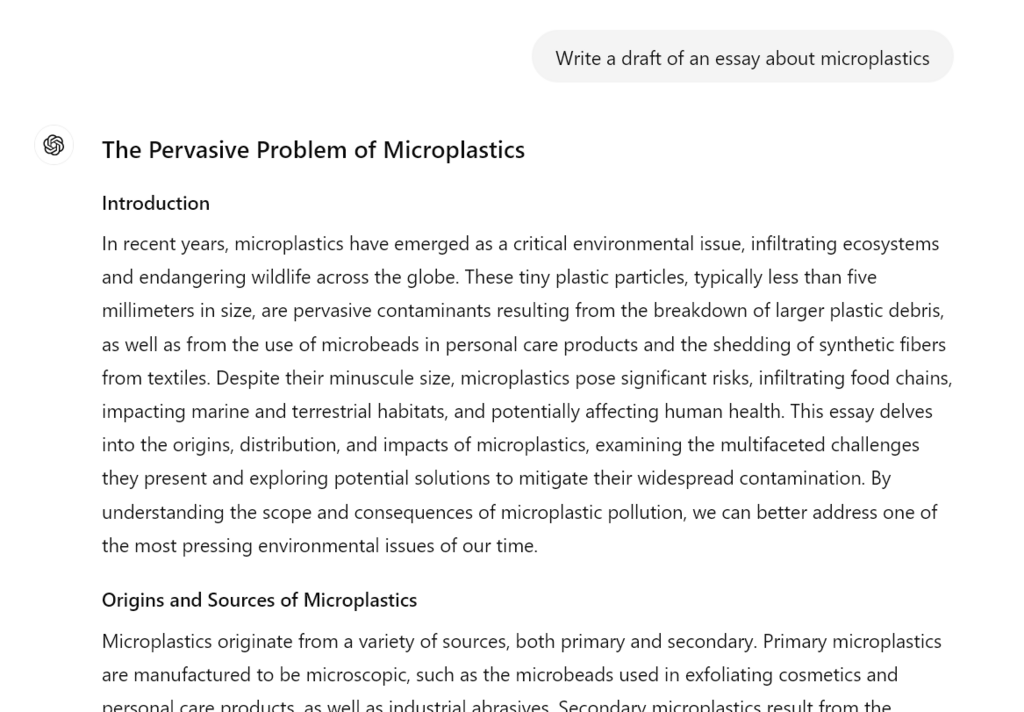
This technology is a powerful tool for creativity and productivity. It acts as a collaborator, helping people generate and refine ideas faster than ever before. Understanding how to interact with these models is the key to unlocking their potential.