Prompt Engineering Essentials
Introduction to AI and Prompt Engineering
What Is Artificial Intelligence?
Artificial Intelligence, or AI, is a field of computer science focused on creating machines that can perform tasks that typically require human intelligence. This includes things like learning, reasoning, problem-solving, and understanding language.
You interact with AI every day, even if you don't realize it. When your email sorts junk mail into a spam folder, that's AI at work. When a streaming service recommends a movie you might like, that's also AI. Voice assistants like Siri and Alexa are another common example.
AI isn't a single thing. It's a broad field with many subfields. Two of the most important are Machine Learning and Deep Learning. Think of them as nested concepts, where each one is a more specialized version of the one before it.
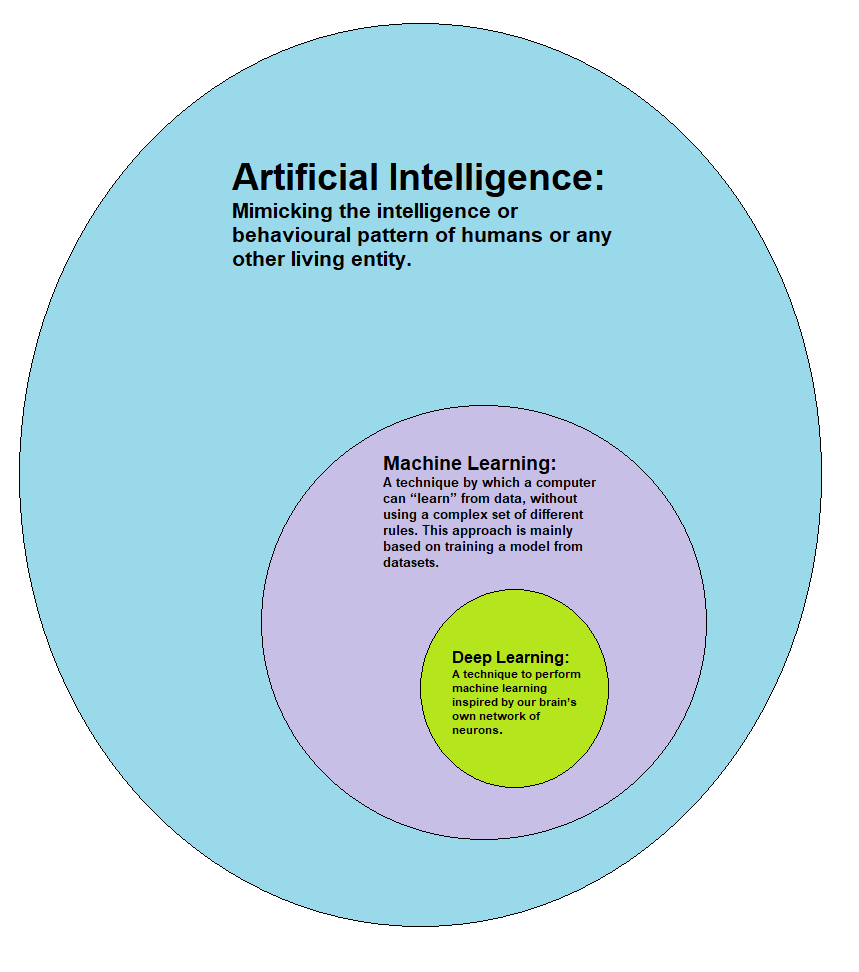
Machine Learning allows systems to learn from data and improve over time without being explicitly programmed for every task. Deep Learning is a more advanced type of machine learning that uses structures modeled after the human brain, called neural networks, to recognize complex patterns in pictures, text, and sounds.
Talking to AI
Many modern AI tools, especially those that generate text or images, are designed to be conversational. You don't need to write code to use them. Instead, you give them instructions in plain language, just like you're talking to a person. This instruction is called a prompt.
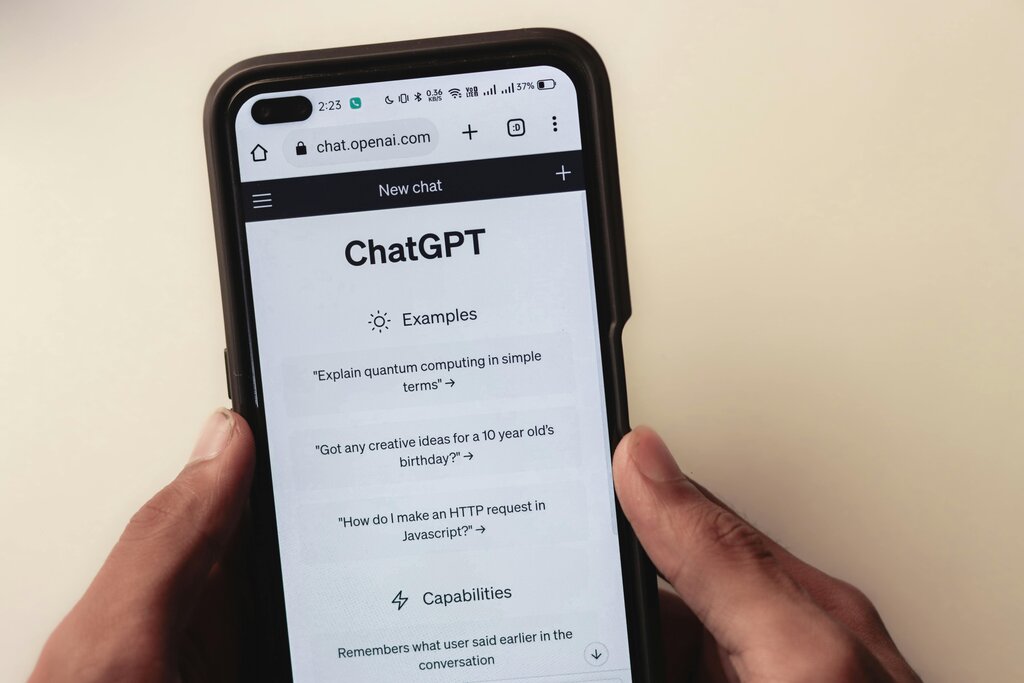
The quality of the AI's response depends almost entirely on the quality of your prompt. Think of it like giving directions. If you vaguely tell someone to "go downtown," they might end up anywhere. But if you tell them, "Go three blocks south on Main Street and turn left at the bakery," they'll know exactly where to go.
Clear, specific instructions lead to better results. Vague instructions lead to generic or incorrect ones.
The Art of the Prompt
The skill of crafting effective instructions for an AI is called prompt engineering. It’s about learning how to ask the right questions to get the best possible answers.
This is where prompt engineering comes in - the art and science of crafting effective instructions for AI systems.
Let's look at a simple example. Imagine you want the AI to write about a dog.
Weak Prompt: "Write about dogs."
This is too broad. The AI doesn't know what kind of dog, what to say about them, or who the audience is. It might generate a very generic, unhelpful paragraph.
Strong Prompt: "Write a short, friendly paragraph for a new dog owner explaining why golden retrievers make excellent family pets. Mention their gentle nature and patience with children."
This prompt is much better. It specifies the topic (golden retrievers), the format (short, friendly paragraph), the audience (new dog owner), and key points to include (gentle nature, patience).
By providing context, defining the audience, and being specific about your goal, you guide the AI toward producing exactly what you need. This is the core idea of prompt engineering.
What is the primary goal of Artificial Intelligence (AI)?
Which statement best describes the relationship between AI, Machine Learning, and Deep Learning?