Prompt Engineering Essentials
Introduction to AI Language Models
The Brain of the Machine
At its core, a large language model (LLM) is a sophisticated pattern-matching system. Think of it as a vast network of interconnected nodes, similar to neurons in a brain. This structure, often based on something called a "transformer architecture," is exceptionally good at understanding context and relationships between words, even across long stretches of text.
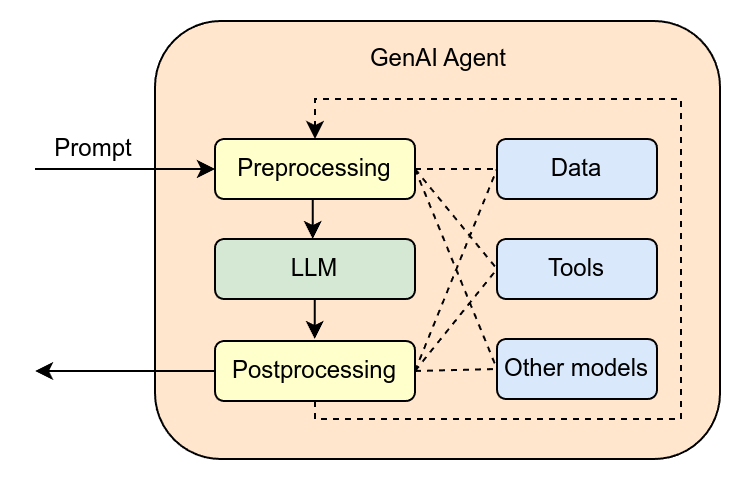
When you give a model a prompt, the information flows through this network. The model doesn't "understand" in the human sense. Instead, it processes your input by calculating probabilities to predict what should come next. Each part of the prompt influences the final output, from the first word to the last.
Learning From the World's Library
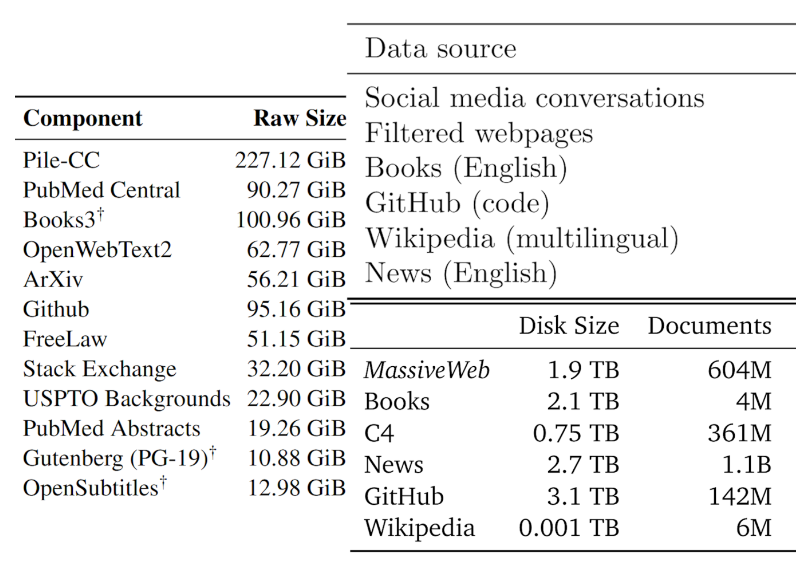
How does a model get so good at predicting text? It learns by training on an enormous amount of data—essentially a huge portion of the internet, digitized books, and other text sources. This training process has one primary goal: to get incredibly good at predicting the next word in a sentence.
For example, if the model sees the phrase "The cat sat on the ___," it learns from countless examples that "mat," "couch," or "floor" are highly probable next words, while "sky" is not.
Through this simple process, repeated billions of times, the model learns grammar, facts, reasoning patterns, and even different writing styles. This initial phase is called pre-training, where the model gains its general knowledge. Afterward, it can be fine-tuned on smaller, more specific datasets to become an expert in a particular area, like medical terminology or writing computer code.
From Chatbots to Code
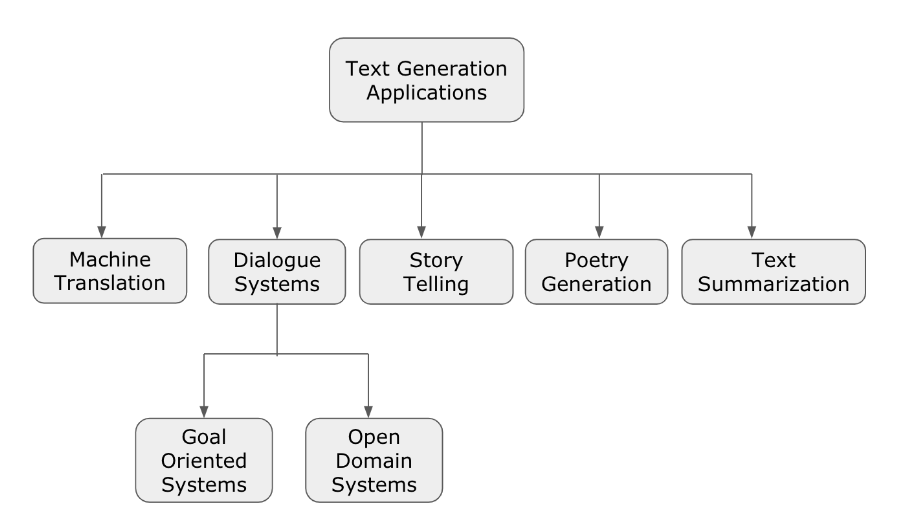
Because they are so versatile, language models are used in a surprisingly wide range of applications. They are the engines behind conversational chatbots that power customer service, but their uses go far beyond that.
In creative fields, they help writers overcome writer's block by drafting articles or brainstorming ideas. In software development, they assist programmers by generating code snippets or debugging existing programs. They can summarize dense research papers, translate languages, and even help create dialogue for video games. This flexibility is a direct result of their broad training and powerful architecture.
Understanding these fundamentals—the architecture, the training, and the applications—is the first step to using these tools effectively. Knowing how a model thinks helps you give it the right instructions to get the best results.