Promotional Culture in Politics
Defining Promotional Culture
What Is Promotional Culture?
Think about the last time you browsed the internet, watched a show, or even walked down the street. You were likely surrounded by messages trying to capture your attention and persuade you of something. This constant flow of communication is the heart of promotional culture.
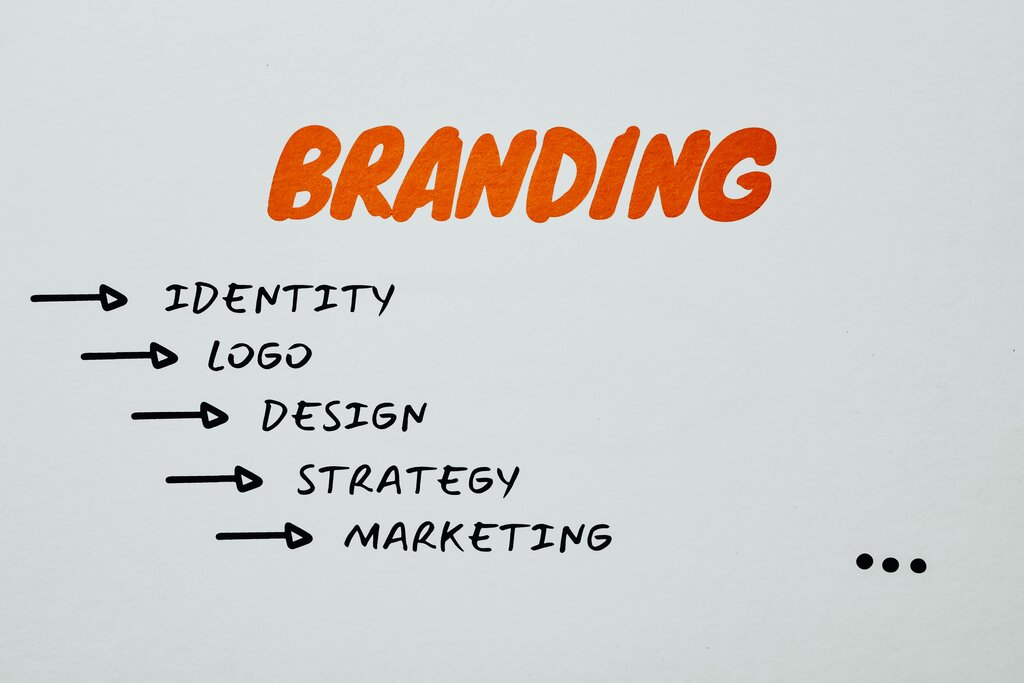
It’s a society where the techniques of promotion and public relations are no longer just for selling products. They've seeped into almost every aspect of public life. Universities, charities, governments, and even individuals now use these strategies to manage their image, communicate their value, and compete for attention. In a promotional culture, everything and everyone can be a brand.
Promotion
noun
The act of furthering the growth or development of something; in this context, the techniques used to publicise and sell a product, service, organisation, or idea.
This isn't just about advertising. It's a deeper shift in how we communicate. The logic of promotion prioritises visibility, positive perception, and crafting a compelling narrative. It shapes what we talk about, how we talk about it, and which voices get heard.
A Brief History
Promotional culture didn’t appear overnight. Its roots go back to the late 19th century, with the rise of mass production and new technologies like national newspapers and radio. For the first time, companies could speak to a huge audience and needed ways to convince people to buy their mass-produced goods. Early advertising was born, often making simple, direct claims about a product's quality.
By the mid-20th century, promotion became more sophisticated. Advertisers started using psychological research to understand consumer desires, fears, and aspirations. The focus shifted from what a product did to what it meant. A car was no longer just a mode of transport; it was a symbol of freedom and status. This was the era of building powerful, emotionally resonant brands.
The biggest shift came with the digital age. The internet and social media created a crowded, fragmented media landscape. Suddenly, everyone had a platform, and the competition for attention became fierce. This is when promotional logic truly went mainstream. Organisations of all types adopted branding, marketing, and PR strategies just to be noticed.
The Impact on Society
Living in a promotional culture has profound effects. On one hand, it can make information more accessible and engaging. Complex ideas, from scientific breakthroughs to health campaigns, can be communicated effectively to a wide audience. It gives a voice to groups who were previously ignored, allowing them to build support for their causes.
On the other hand, it creates a world where style can be valued over substance. The best-marketed idea isn't always the best idea. Authenticity becomes a performance, and public discourse can feel like a constant sales pitch. It pressures institutions like news media, universities, and museums to think like businesses, sometimes compromising their core missions in the pursuit of funding, clicks, or 'buzz'.
In a promotional culture, communication becomes strategic. The goal shifts from simply informing to actively persuading and managing perception.
Understanding this culture is the first step to navigating it. It helps us critically evaluate the messages we receive every day, whether they come from a brand, an institution, or a public figure. It provides the context for how public conversation is shaped and why certain voices seem to dominate.
What is the central concept of a 'promotional culture'?
According to the text, what major shift occurred in advertising during the mid-20th century?