Promotional Culture in Politics
Introduction to Promotional Culture
What is Promotional Culture?
When you hear the word “promotion,” you probably think of a sale at a shop or a new film release. But promotion is much bigger than that. It’s a way of communicating that has seeped into almost every part of modern life, especially politics. This is what we call promotional culture.
It’s a world where the lines between providing information, persuading people, and outright advertising have become blurred. In politics, it’s not just about announcing a new policy. It's about selling that policy, and the politician behind it, to the public. Techniques from public relations, branding, and marketing are no longer just for businesses; they are standard tools in government and political campaigns.
Promotional Culture
noun
A culture in which the methods of promotion (like advertising and public relations) are used across many social institutions, not just in commercial settings. It involves constantly communicating messages designed to build a positive image or persuade an audience.
Think of a political slogan. It’s short, memorable, and designed to evoke an emotional response, just like a brand tagline. Or consider how politicians now stage photo opportunities to create a specific image. This is all part of a deliberate effort to shape public perception. It’s the art of making ideas, and the people who represent them, seem appealing and necessary.
A Quick History
Political promotion isn't new. Roman leaders stamped their faces on coins, and revolutionaries have used pamphlets for centuries. What changed in the 20th century was the scale and sophistication, driven by the rise of mass media.
Radio allowed politicians to speak directly to millions in their homes. Then came television, which added a powerful visual dimension. Suddenly, how a candidate looked and sounded mattered just as much as what they said. The first televised political adverts in the 1950s were a turning point. They took the techniques used to sell soap and applied them to selling a president.
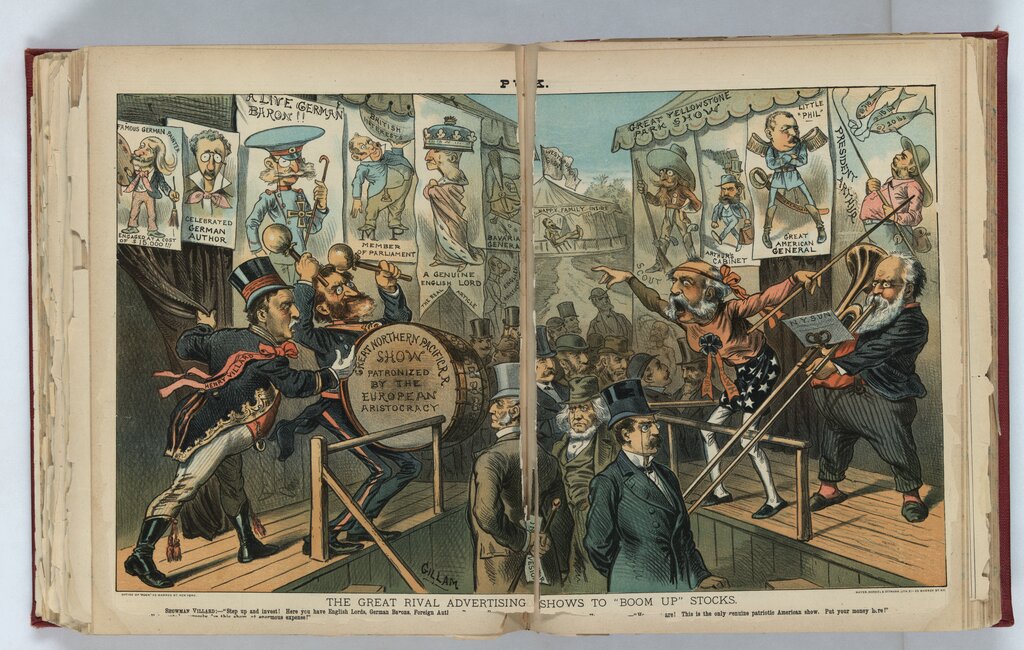
As media evolved, so did the promotional efforts. Consultants, pollsters, and marketing experts became essential members of any political team. The focus shifted from long, detailed policy debates to crafting messages that could be easily digested by a mass audience. Politics became a permanent campaign, with the government constantly working to manage its public image and sell its agenda.
Shaping the Narrative
At its core, promotional culture is about storytelling. Political actors work hard to create simple, compelling narratives that frame issues in a particular way. A complex economic plan is boiled down to a story about “creating opportunity” or “protecting families.” A candidate isn't just a person running for office; they are a character in a story, perhaps an “outsider fighting the establishment” or a “steady hand in uncertain times.”
These narratives are powerful because they do two things. First, they simplify complex realities. Most people don't have time to read detailed policy papers, so a memorable story provides a mental shortcut. Second, they appeal to our emotions, values, and identities, which are often more persuasive than facts and figures alone.
The goal of a political narrative is not to explain the world, but to define it. It tells you who the heroes are, who the villains are, and what’s at stake.
By consistently repeating these narratives through speeches, adverts, and media appearances, political organisations aim to set the agenda. This means they influence which issues the public considers important and how those issues are understood. If a government successfully promotes a narrative that “tougher sentences cut crime,” public debate will likely focus on punishment rather than prevention or rehabilitation. This is how promotional culture shapes not just who we vote for, but how we think about the challenges our society faces.
This process has a significant impact on public opinion. When one narrative dominates the media landscape, it can become accepted as common sense, making alternative viewpoints seem unreasonable or extreme. It influences how citizens perceive political leaders, parties, and their policies, ultimately affecting the decisions they make in the voting booth.
What is the central idea of “promotional culture” in politics?
According to the text, the introduction of television was a turning point in political promotion because it...
Understanding the basics of promotional culture is the first step towards becoming a more critical consumer of political communication. It helps you see past the surface and analyse the stories being told, and more importantly, why they are being told in a certain way.