Promotional Culture in Political Mass Communication
Introduction to Promotional Culture
The Rise of Promotional Culture
Promotion is no longer just about selling soap or cereal. It has seeped into almost every corner of modern life, shaping how organisations, governments, and even individuals communicate. This widespread use of advertising and marketing techniques is what we call promotional culture.
Promotional culture describes a society where the lines between communication, entertainment, and advertising have become blurred.
Think about it. Universities market themselves to students like businesses, charities run glossy campaigns to attract donations, and politicians use slogans to win votes. The core logic of selling a product has been applied to selling ideas, lifestyles, and personalities. This isn't a new phenomenon, but its scale and sophistication have grown dramatically over the last century.
A Brief History
Promotional practices evolved alongside mass media. In the early 20th century, the growth of newspapers, radio, and later television, created powerful new channels for advertising. Initially, promotion was straightforward: announce a product and its price. But as markets became more crowded, techniques had to become more persuasive and subtle.
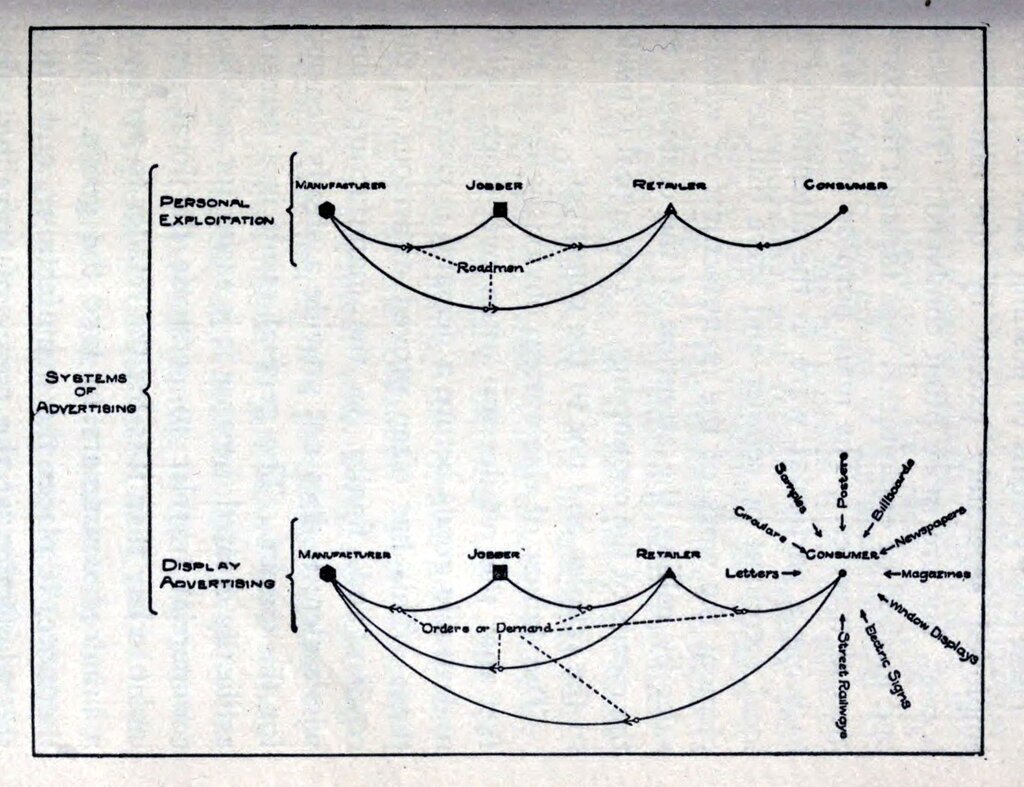
The post-war economic boom saw the advertising industry explode. Sophisticated research into consumer psychology led to the development of branding and public relations as distinct professional fields. The goal shifted from simply informing the public to actively shaping their desires and opinions. By the end of the century, with the arrival of the internet and 24-hour news, promotional culture had become a dominant force in society.
Key Characteristics
Promotional culture is built on a few core pillars. Understanding them helps us see how it works.
Branding
noun
The process of creating a distinct identity for a product, company, or entity in the minds of the public. It involves names, logos, and a set of associations.
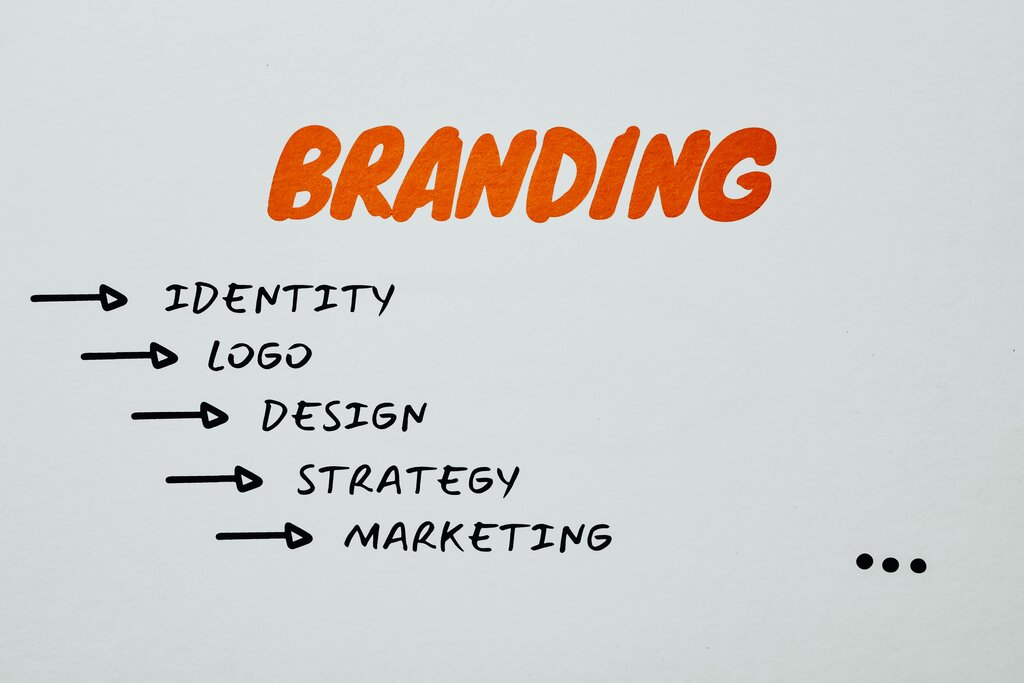
Branding is about creating a story and an emotional connection. It’s the difference between a simple cup of coffee and a Starbucks experience. This practice now extends far beyond commercial products. Cities have brands to attract tourists (I ❤ NY), and non-profits build brands to foster trust and encourage donations.
Next is public relations, often shortened to PR. While advertising pays directly for space to run a message, PR works to influence media coverage and manage public perception more indirectly. This is often called 'earned media'. A PR team might issue a press release about a company's environmental efforts, hoping that newspapers and TV stations will report on it as news.
PR is the art of managing how information spreads between an individual or organisation and the public. Its aim is to build a positive reputation.
Finally, we have the blending of information and entertainment, a concept known as 'infotainment'. This is particularly visible in news and current affairs. Morning television shows mix serious political interviews with celebrity gossip and cooking segments. News websites use catchy, sensational headlines to attract clicks. The promotional logic here is that information must be entertaining to hold the public's attention in a crowded media landscape.
Which statement best defines 'promotional culture'?
According to the text, what was the primary driver for the evolution of promotional practices in the early 20th century?