Promoting Community Infill Development
Introduction to Infill Development
Building Within
Cities are constantly changing, but they don't always have to grow outwards. Instead of expanding into forests and farmland, cities can also grow inwards. This is the core idea behind infill development.
infill development
noun
The process of developing vacant or under-utilized parcels of land within existing urban areas that are already largely developed.
Think of it like finding an empty spot on a crowded bookshelf and adding a new book, rather than building a whole new shelf. Infill projects can range from constructing a new house on a single empty lot to transforming an abandoned factory into apartments and shops. The key is that the development happens on land that's already served by public infrastructure like roads, water lines, and schools.
The Upside of Building In
One of the biggest benefits of infill development is that it fights urban sprawl. When cities spread out, they consume natural landscapes and require expensive new infrastructure. By building on vacant or neglected lots within the city, we can preserve the green spaces around it. This approach makes our cities more compact and efficient.
It also taps into the existing community fabric. New residents or businesses can immediately connect to established transit routes, walk to nearby stores, and use local parks. This strengthens neighborhoods, making them more vibrant and connected. By concentrating growth, we support local businesses and create more walkable, bike-friendly environments. This fosters a stronger sense of community and reduces our reliance on cars, which is a big win for sustainable growth.
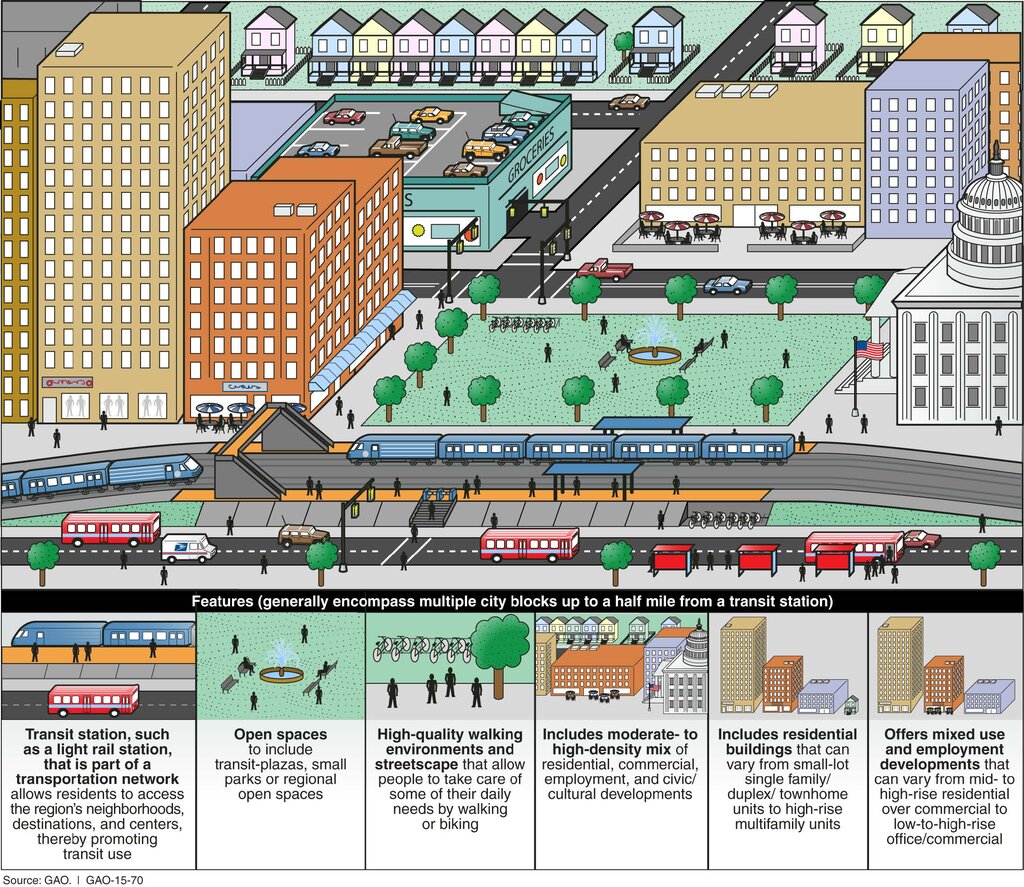
But filling in the gaps isn't always simple. These projects often face a unique set of obstacles that building on a clean slate doesn't.
Common Hurdles
First, there are regulatory hurdles. Zoning laws in older neighborhoods might not allow for the type of modern, denser housing that makes an infill project work. Getting permits can be a slow and complicated process, especially when trying to fit a new building into a historic area.
Community opposition can also be a major challenge. Existing residents might worry that a new development will increase traffic, strain parking, or change the character of their neighborhood. They might fear that new, taller buildings will block their sunlight or that construction will be noisy and disruptive.
Finally, the financial side can be tricky. Infill sites can be more expensive to build on. A developer might have to demolish an old structure or clean up industrial contamination from a site's previous use. The smaller, awkward shapes of many infill lots can also make construction more complex and costly than building on a wide-open suburban plot.
| Benefits of Infill | Challenges of Infill |
|---|---|
| Reduces urban sprawl | Complex regulations & zoning |
| Uses existing infrastructure | Community opposition |
| Creates walkable neighborhoods | Higher initial costs |
| Promotes sustainability | Difficult site logistics |
Despite these challenges, infill development is a powerful tool for building smarter, more resilient cities. It's about revitalizing communities from the inside out and making the most of the resources we already have.