Project Proposal Formulation
Project Planning Basics
What Is Project Planning?
Think of project planning as creating a detailed roadmap for a journey. Before you start a road trip, you don't just get in the car and drive. You figure out your destination, map the best route, estimate how long it will take, and think about where you'll stop along the way. Project planning does the same thing for a project.
A project plan is a structured document that outlines the objectives, scope, timeline, resources, risks and responsibilities needed to complete a project.
It’s the process of thinking through all the steps required to turn an idea into reality. This isn’t about rigid rules; it’s about creating a clear, shared understanding of what needs to be done, by when, and how. A good plan provides direction and helps everyone on the team pull in the same direction.
The Building Blocks of a Plan
A solid project plan isn't just a single document; it's a collection of key components that work together. While plans vary depending on the project's size and complexity, most include a few essential elements.
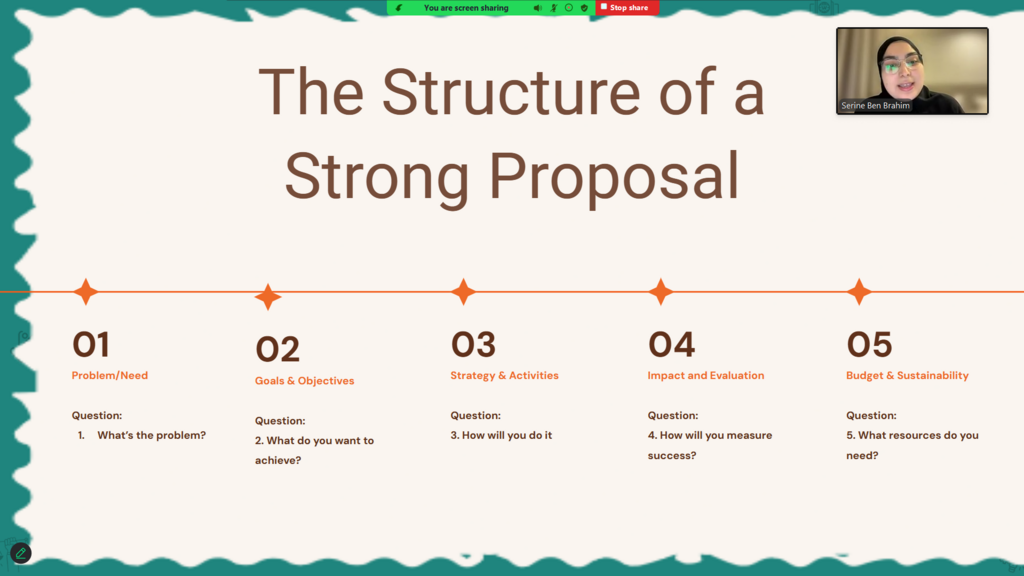
Here are the fundamentals:
-
Objectives & Goals: This is the 'why' of your project. What specific, measurable outcome are you trying to achieve? A clear objective might be "Launch a new mobile app for our customers by the end of the third quarter."
-
Scope: The scope defines the boundaries of your project. It lists exactly what work is included and, just as importantly, what is not included. This prevents 'scope creep,' where new features and requests get added on, derailing your timeline and budget.
-
Deliverables: These are the tangible things the project will produce. For the mobile app project, deliverables might include a finalized design mockup, a tested beta version, and a marketing launch kit.
-
Timeline & Milestones: This is your project's schedule. It breaks the total work down into tasks and phases, plotting them on a timeline. Milestones are major checkpoints or achievements, like 'Complete User Interface Design' or 'Finish Beta Testing.'
-
Budget: How much will the project cost? The budget outlines the estimated expenses for everything from software to salaries.
-
Risks: What could go wrong? A good plan anticipates potential problems—like a key team member getting sick or a technology not working as expected—and thinks about how to handle them.
Why Planning Matters
Spending time on planning might feel like a delay when you’re eager to start doing the work, but it pays off enormously. A thorough plan isn't just paperwork; it’s a tool for success.
Effective planning turns vague ideas into an actionable strategy. It provides clarity, aligns the team, and sets clear expectations from the start.
First, planning provides direction. It ensures everyone involved understands the project's goals and their role in achieving them. This alignment prevents confusion and wasted effort.
Second, it improves efficiency. By breaking a large project into smaller, manageable tasks, a plan makes the work less overwhelming and easier to track. You can see what's on schedule, what's falling behind, and where you need to focus your attention.
Finally, a plan is your baseline for measuring success. Without a plan, how do you know if you've succeeded? The plan's objectives, timeline, and budget give you concrete metrics to evaluate your performance both during and after the project.
Time to check your understanding of these core concepts.
What is the main purpose of a project plan?
A project's goal is to build a new company website. During development, a stakeholder requests adding a complex, unplanned e-commerce feature. This request is an example of:
In short, planning is the foundation upon which successful projects are built. It's the critical first step that transforms a good idea into a great result.