Project Planning and Design Essentials
Introduction to Project Management
Turning Ideas into Reality
At its core, project management is the process of taking an idea and turning it into a finished result. Think about planning a surprise party. You have a goal (the party), a deadline (the date), and a budget. You need to coordinate tasks like sending invitations, buying decorations, and ordering a cake. That's project management in a nutshell.
Project management is the art and science of turning ideas into reality.
In a business context, it's a structured approach to completing a temporary endeavor, or a "project." This could be anything from developing a new app to constructing a building or launching a marketing campaign. Without a clear plan and guidance, projects can easily go over budget, miss deadlines, or fail to meet their goals. Project management provides the framework to guide a project from start to finish, ensuring resources are used wisely and the final outcome is successful.
The Five Phases of a Project
Every project, regardless of its size or complexity, moves through a series of phases known as the project lifecycle. Understanding these phases helps organize and control the work.
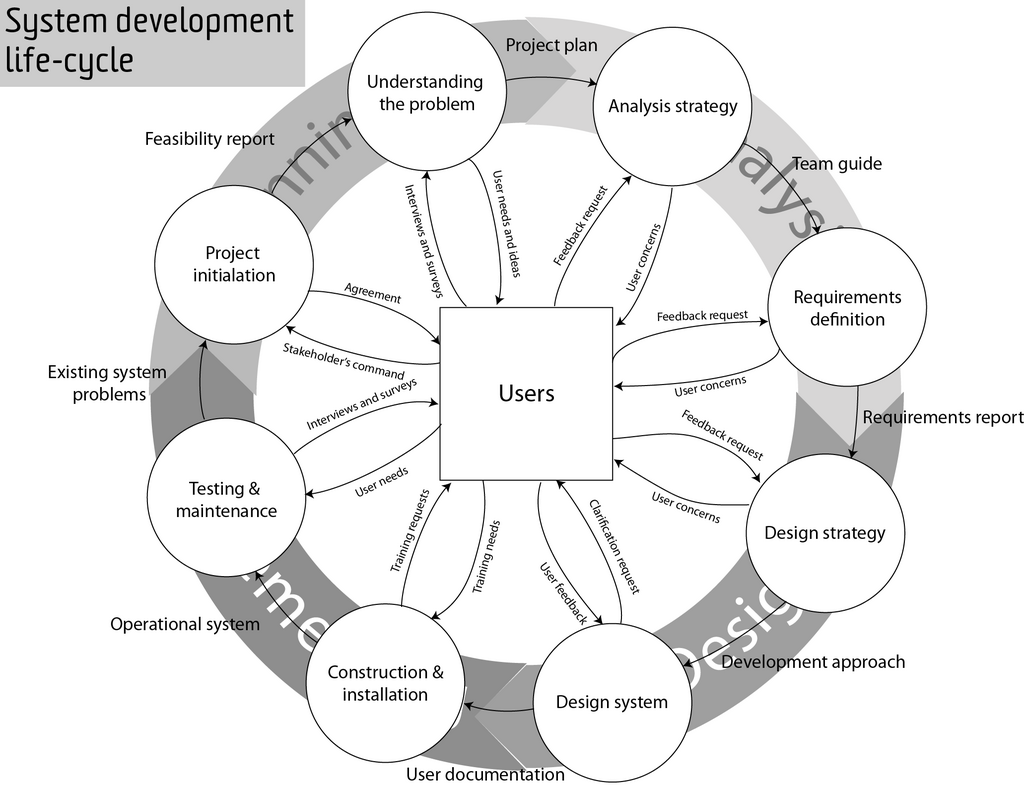
These five phases provide a roadmap for navigating any project:
-
Initiation: This is where the project is born. The idea is defined, and its feasibility is determined. Key questions are answered: What is the problem we are solving? What are the goals? Who are the key stakeholders? The outcome is a project charter, a document that officially authorizes the project to begin.
-
Planning: Once the project is approved, it's time to create a detailed roadmap. This is arguably the most critical phase. The team defines the project scope, sets a budget, creates a timeline, identifies potential risks, and assigns tasks. A solid plan is the foundation for a successful project.
-
Execution: The plan is put into action. The project team gets to work on the assigned tasks, building the deliverables. This is where most of the budget and time is spent. Regular team meetings and status updates are crucial to keep everyone aligned.
-
Monitoring & Controlling: This phase happens at the same time as execution. The project manager tracks progress against the plan, monitoring key metrics like budget, schedule, and quality. If the project strays off course, the manager takes corrective action to get it back on track.
-
Closing: The project is complete. The final deliverables are handed over, and the project is formally closed. This involves releasing the project team, archiving documents, and conducting a final review to capture lessons learned for future projects.
The Role of the Project Manager
The project manager is the captain of the ship. They are the central person responsible for guiding the project through its entire lifecycle. They don't usually do the hands-on work of creating the deliverables, but they make sure the work gets done correctly and on time.

Key responsibilities include:
- Planning: Creating the project plan, schedule, and budget.
- Leading: Assembling and managing the project team, providing motivation and direction.
- Communicating: Acting as the main point of contact for all stakeholders, from team members to executives, ensuring everyone is informed.
- Managing Risks: Identifying potential problems and developing plans to mitigate them.
- Controlling Scope: Making sure the project stays focused on its original goals and doesn't expand unnecessarily, a problem known as "scope creep."
Essential Skills for Success
Being a great project manager isn't just about creating charts and schedules. It requires a unique blend of soft and hard skills.
| Skill | Why It's Important |
|---|---|
| Communication | Clearly conveying goals, tasks, and updates to the team and stakeholders. |
| Leadership | Motivating the team and guiding them toward a common objective. |
| Problem-Solving | Thinking critically to overcome unexpected challenges and roadblocks. |
| Time Management | Juggling multiple tasks and priorities to keep the project on schedule. |
| Negotiation | Resolving conflicts and reaching agreements between stakeholders with different interests. |
| Risk Management | Proactively identifying what could go wrong and planning for it. |
These skills allow a project manager to not only manage the technical aspects of a project but also to navigate the complex human dynamics that are a part of any team effort.
What is the primary purpose of project management?
In which phase of the project lifecycle is the project's idea defined and its feasibility determined, resulting in a project charter?
This foundation provides the basic language and structure of project management. With these concepts in mind, you can begin to explore the specific methods and tools that bring projects to life.