Project Management System Planning
System Scoping
Defining Your Project’s Boundaries
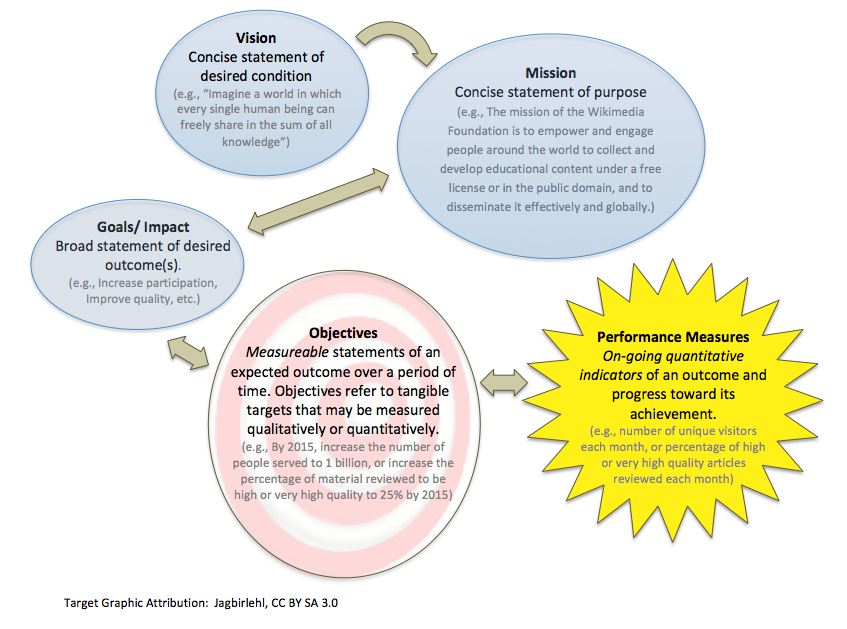
Every successful project starts not with a task list, but with a clear vision. Before you can build a Project Management System (PMS), you must first define what it needs to achieve. Think beyond just tracking tasks. Are you trying to improve team collaboration across different time zones? Do you need automated weekly reports for stakeholders? Or is the main goal to integrate with existing accounting software? These high-level goals shape everything that follows.
Establishing this vision isn't just a brainstorming exercise. It’s the first step in creating a binding agreement for the entire development process. This initial definition of what the PMS will do, and just as importantly, what it will not do, is your primary defence against confusion and wasted effort later on.
A project without a clear scope is like a ship without a rudder, adrift and heading for the rocks.
The Scope Statement
The project vision is formalized in a document called the scope statement. This is the single source of truth for the project. It’s a comprehensive outline that details the project’s objectives, deliverables, and boundaries. It sets expectations for the team, stakeholders, and clients, ensuring everyone is aligned from day one.
A strong scope statement explicitly separates what is 'in-scope' from what is 'out-of-scope'. For a new PMS, in-scope items might include features like multi-user logins, task assignment, and deadline tracking. Conversely, you might declare that mobile app access, budget management, or third-party integrations are out-of-scope for the initial version. This clarity is crucial for preventing , the gradual and uncontrolled expansion of a project's goals.
From Vague Idea to Detailed Plan
It’s impossible to know every technical detail at the start of a project. This is where the concept of comes in. It’s the process of continuously refining and detailing a plan as more specific information and more accurate estimates become available. You start with high-level goals and iteratively break them down into more granular requirements as the project moves forward.
For example, an initial objective like “Create an automated reporting feature” is a great starting point. Through progressive elaboration, this evolves into detailed specifications:
- Which reports are needed (e.g., weekly progress, overdue tasks)?
- Who can generate them (e.g., only project managers)?
- What format should they be in (e.g., PDF, CSV)?
- How should they be delivered (e.g., email, in-app notification)?
This method allows teams to start work with a clear but broad understanding, filling in the specifics as they gain more insight.
Setting SMART Goals
To ensure your objectives are clear and reachable, each one should be SMART. This framework forces you to move beyond vague ambitions and define concrete targets. Every goal for your PMS should be checked against these criteria.
| Letter | Meaning | Example |
|---|---|---|
| S | Specific | Instead of "Improve user interface," use "Redesign the main dashboard to show a user's top five priority tasks." |
| M | Measurable | Instead of "Make reporting faster," use "Reduce report generation time to under five seconds." |
| A | Achievable | Can the goal be met with the available resources, budget, and time? A goal to build a fully AI-powered scheduler in two weeks is likely not achievable. |
| R | Relevant | Does this goal align with the overall vision? If the PMS is for a small internal team, adding complex enterprise-level features may not be relevant. |
| T | Time-bound | Every goal needs a deadline. "The new dashboard design will be implemented by the end of Q3." |
By setting SMART goals within a well-defined scope, you create a solid foundation for your Project Management System. This process ensures that what you build is not only technically sound but also precisely what the business needs.
What is the primary purpose of a project scope statement?
The gradual and uncontrolled expansion of a project's goals beyond its initial scope is known as _______.