Project Management Strategy and Execution
Selecting Project Frameworks
Matching Frameworks to Reality
Choosing a project management framework isn't about picking the most popular one. It's about matching the methodology to the reality of the project. A mismatch can lead to friction, missed deadlines, and frustrated teams. The key is to diagnose your project's environment before you prescribe a solution.
A powerful tool for this diagnosis is the Cynefin framework, developed by Dave Snowden. It's not a project management methodology itself, but a sense-making device that helps you understand the kind of problem you're facing. It divides situations into five domains: Clear, Complicated, Complex, Chaotic, and Disorder (the central space).
For project management, we mainly focus on the difference between Complicated and Complex.
-
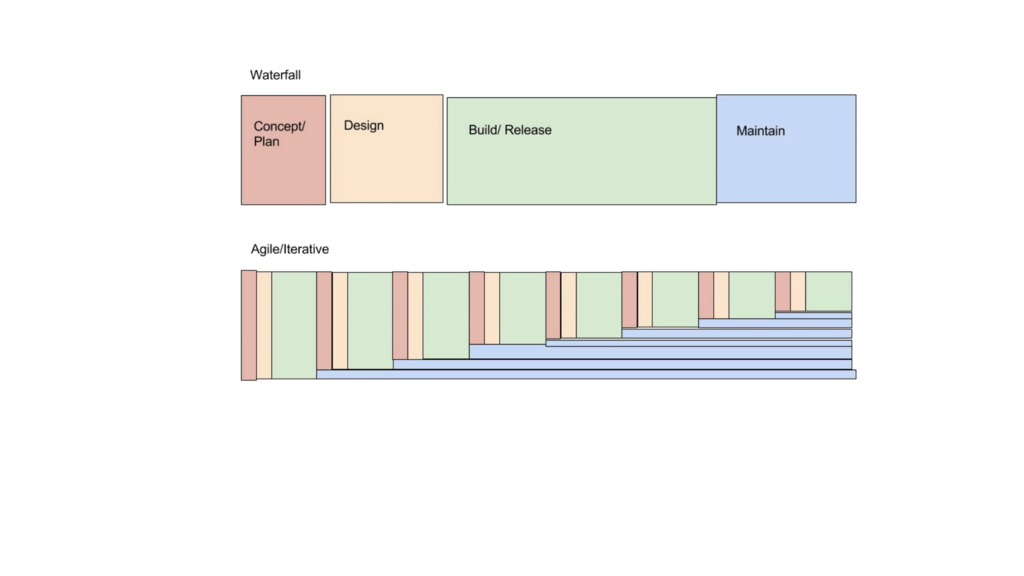
Complicated problems have knowable unknowns. Building a bridge is complicated. There are established engineering principles, materials science, and best practices. You need experts to analyze the situation and design a robust plan. The relationship between cause and effect is clear, even if it requires analysis. This is the natural home of the Waterfall methodology with its emphasis on upfront planning, detailed requirements, and sequential execution.
-
Complex problems have unknowable unknowns. Developing a brand-new software product for an emerging market is complex. You don't know how users will react or what technical hurdles will emerge. Cause and effect can only be understood in retrospect. Here, you must probe, sense, and respond. This is where Agile frameworks shine. They allow you to build, test, and learn in rapid, iterative cycles.
The key to great project management is not about choosing one methodology and sticking to it forever—it’s about knowing when to use each one.
Hybrid and Lean Approaches
The world is rarely black and white. Many large projects have both complicated and complex components. Consider building a new hospital. The physical construction is complicated and can be planned using a Waterfall approach. However, developing the novel patient management software for that hospital is complex and benefits from an Agile approach.
This leads to Hybrid methodologies, which strategically blend elements from different frameworks. A common pattern is to use Waterfall for overall program planning and hardware deployment, while using Agile for software development within that structure. The program has predictable, major milestones (the Waterfall part), but the teams working toward those milestones operate in flexible sprints (the Agile part).
Another powerful lens is Lean. Originally from manufacturing, Lean focuses relentlessly on eliminating waste to maximize value. In project management, "waste" isn't just physical scrap. It can be:
- Over-production: Building features no one uses.
- Waiting: Delays between project phases.
- Unnecessary transport: Handoffs between siloed teams.
- Over-processing: Needless documentation or approvals.
- Defects: Bugs or errors requiring rework.
Lean isn't a strict framework like Scrum, but a set of principles that can be applied to any methodology. A Kanban board, for example, is a direct application of Lean principles, visualizing workflow and limiting work-in-progress to prevent bottlenecks. Applying Lean thinking helps you streamline any process, whether it's Agile, Waterfall, or Hybrid.
Making the Final Selection
To choose the right framework, assess your project against a few key variables. There’s no magic formula, but weighing these factors will guide you to a sound decision.
| Factor | Favors Waterfall | Favors Agile |
|---|---|---|
| Requirement Clarity | Requirements are fully known and stable upfront. | Requirements are expected to emerge and change. |
| Technology | Using established, well-understood technology. | Involves new or unproven technology. |
| Project Volatility | Low risk of unexpected changes. Predictable environment. | High risk of change. The market or goals may shift. |
| Stakeholder Involvement | Feedback needed only at major milestones (e.g., phase gates). | Continuous feedback and collaboration are essential. |
| Team Structure | Teams can be larger and more specialized. | Best with small, cross-functional, self-organizing teams. |
| Project Goal | Deliver a predefined scope on a fixed timeline and budget. | Discover the best solution through iteration and learning. |
If your project lands mostly on the left side of the table, a Waterfall or predictive approach is likely a good fit. If it's mostly on the right, Agile is the way to go. If it's a mix, it's time to design a Hybrid approach that borrows the best of both worlds.
Ultimately, the best project managers are multilingual. They understand the principles behind multiple frameworks and can skillfully combine them to create a tailored process that sets their project up for success.
You are managing the construction of a standard skyscraper. The architectural plans are finalized, the engineering principles are well-established, and you have a team of experts. According to the Cynefin framework, which domain best describes this project?
A software team is building an innovative product for a new market. They find that they can only understand what works and what doesn't after releasing a feature and getting user feedback. This situation is characteristic of a problem that is best suited for which methodology?