Project Management Principles and Frameworks
Project Management Basics
What is Project Management?
At its heart, a project is a temporary effort to create something unique. It could be building a new app, designing a marketing campaign, or even organizing a community event. Projects have a clear start and finish, and a specific goal.
Project management is the practice of guiding that effort to a successful conclusion. It's about applying skills, knowledge, and tools to ensure the project meets its goals on time and within budget.
Think of it as the art of turning a big idea into a finished reality, step by step.
Imagine you want to build a custom treehouse. You have a vision, but you can't just start nailing boards to a tree. You need a plan. Who will build it? What materials do you need? How much will it cost? How will you make sure it's safe? Answering these questions and steering the work is project management in action.
The Key Players
Every project has a cast of characters who play important parts. Understanding their roles is key to making things run smoothly.
Project Manager
noun
The person responsible for leading the project from initiation to closure. They plan, execute, and monitor the project's progress, ensuring it stays on track.
The project manager is the conductor of the orchestra. They don't play every instrument, but they make sure everyone plays their part at the right time to create a beautiful piece of music. They are responsible for communication, managing risks, and ultimately, the success of the project.
The Project Team consists of the people who do the hands-on work. They are the designers, engineers, writers, and builders who use their expertise to create the project's deliverables.
Stakeholder
noun
Any person, group, or organization that has an interest in or is affected by the project's outcome.
Stakeholders can be anyone from the customer who will use the final product, to the executive who approved the budget, or even a government agency that needs to ensure regulatory compliance. A key part of the project manager's job is to understand and manage the expectations of all stakeholders.
A Project's Journey
Projects don't happen all at once. They follow a structured path from idea to completion, known as the project lifecycle. This lifecycle breaks the project into manageable phases, providing a clear roadmap for the team to follow.
1. Initiation: This is where the project is born. The core problem is defined, and the project's value and feasibility are determined. A high-level vision is created, goals are outlined, and key stakeholders are identified. If the project gets the green light, it moves to the next phase.
2. Planning: This is arguably the most critical phase. The project manager and team develop a detailed roadmap. This includes defining the project scope, setting a budget, creating a schedule, identifying potential risks, and assigning tasks. A solid plan is the foundation for a successful project.
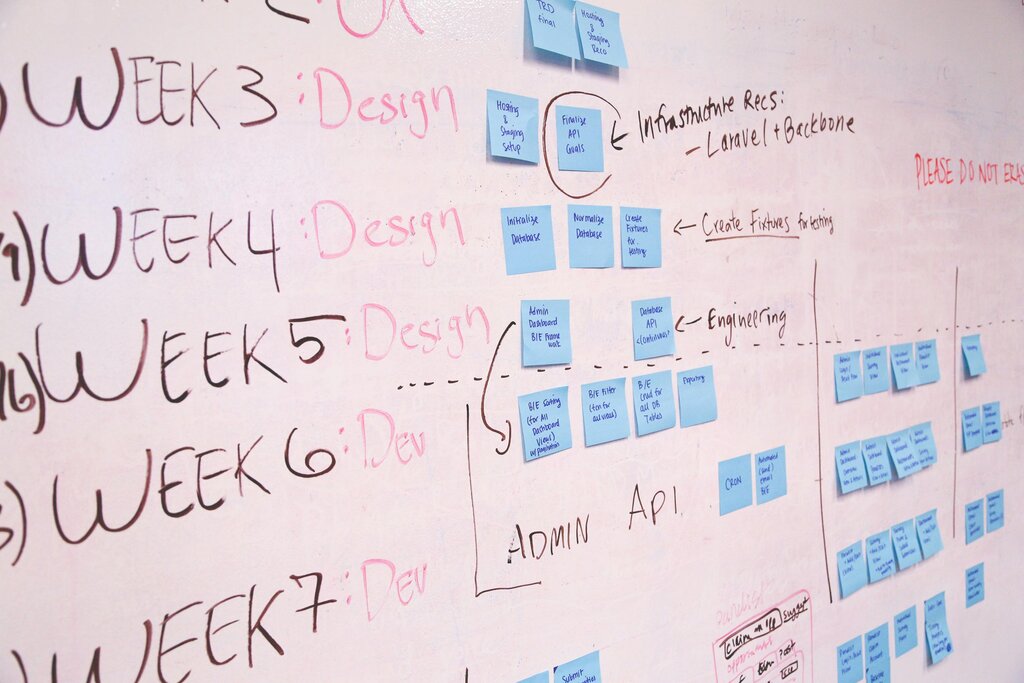
3. Execution: The plan is put into action. The project team gets to work on their assigned tasks, creating the project's deliverables. This is often the longest phase and requires constant communication and collaboration.
4. Monitoring & Controlling: This phase happens at the same time as execution. The project manager tracks progress against the plan, monitoring key metrics like budget, schedule, and quality. If the project strays off course, the manager takes corrective action to bring it back on track.
5. Closure: The project is complete. The team delivers the final product, and the project manager formally closes the project. This involves getting final approval from stakeholders, documenting lessons learned for future projects, and celebrating the team's success.
Project management principles are foundational guidelines that provide structure and direction for planning, executing, and completing projects successfully.
Now that you understand the basic framework of a project, you're ready to explore how these phases are managed in different ways. Let's test your knowledge on these core concepts.
What is the most accurate definition of a project?
Who is primarily responsible for guiding the project, managing communication, and ensuring it meets its goals on time and within budget?
Understanding these fundamentals—what a project is, who is involved, and the stages it moves through—is the first step toward managing work effectively and turning great ideas into reality.