Project Management Office Essentials
Introduction to PMOs
What is a PMO?
A Project Management Office, or PMO, is a group within an organization that defines and maintains standards for project management. Think of it as the central nervous system for all project-related activities. Its primary goal is to standardize processes and improve efficiency, ensuring that projects, no matter how different, are run with a consistent level of quality and control.
The PMO provides the decision-making framework for projects. It helps leadership answer critical questions: Are we working on the right projects? Do we have the resources to complete them? Are they aligned with our company's strategic goals? By centralizing oversight, a PMO ensures that individual projects don’t just succeed on their own terms, but also contribute to the larger organizational mission.
Essentially, a PMO shifts project management from an isolated practice within teams to a strategic competency of the entire organization.
A Brief History
The idea of a centralized office for managing projects isn't new. Its origins can be traced back to the 1930s, primarily within large-scale government and military initiatives. These massive undertakings required strict control, meticulous tracking, and standardized reporting to manage immense complexity and public funds. The focus was on repeatable processes and predictable outcomes.
By the 1990s, the private sector began to catch on. As technology projects grew in scale and importance, companies realized they needed a better way to manage their investments. The PMO evolved from a simple control tower into a more supportive entity, providing project managers with training, templates, and best practices. This shift marked the beginning of the modern PMO, which balances governance with enablement.
Strategic Importance
A well-functioning PMO is more than an administrative unit; it's a strategic driver. Its greatest value lies in its ability to create a bridge between high-level strategy and on-the-ground project execution. Executive leadership sets the direction, and the PMO provides the mechanisms to ensure the project portfolio moves the organization toward those goals.
This alignment is crucial. Without a PMO, an organization might have many successful, well-run projects that ultimately don't contribute to key business objectives. One department might launch a project to increase customer engagement, while another launches one that inadvertently makes the customer experience more complex. The PMO provides a bird's-eye view, ensuring all efforts are synergistic and focused on the right priorities.
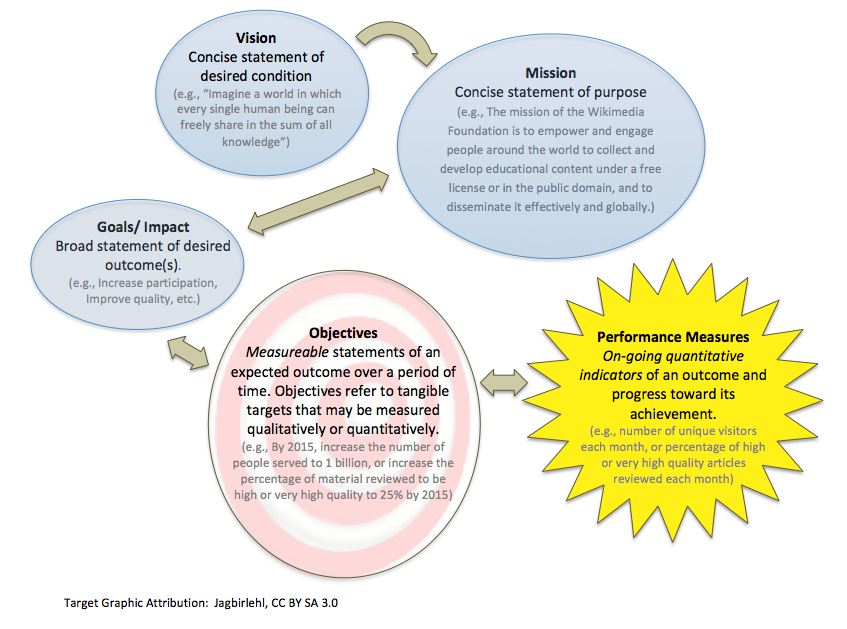
By standardizing methodologies and metrics, a PMO also enables more reliable forecasting and performance measurement. When every project manager reports progress differently, it's nearly impossible for leaders to get a clear picture of the overall health of the project portfolio. The PMO creates a common language for project data, allowing for apples-to-apples comparisons and more informed strategic decisions.
Fitting into the Organization
Where a PMO sits within an organization says a lot about its scope and influence. It's not a one-size-fits-all structure. A PMO can be established at different levels, each serving a distinct purpose.
| Level | Scope of Influence | Primary Focus |
|---|---|---|
| Departmental PMO | A single department or business unit | Supports the specific needs and projects of that department. |
| Divisional PMO | A specific division or product line | Coordinates projects across several related departments. |
| Enterprise PMO (EPMO) | The entire organization | Focuses on strategic alignment, portfolio management, and enterprise-wide standards. |
An Enterprise PMO, for instance, typically reports directly to senior leadership, such as the COO or CEO. This high-level placement gives it the authority to govern projects across the entire organization, manage the overall project portfolio, and ensure every initiative aligns with top-tier strategic objectives. In contrast, a departmental PMO might be embedded within the IT or engineering department, focusing solely on the projects and standards relevant to that function.
While Scrum focuses on agile delivery at the product or service level, PMO (which fits what Scrum refers to as Management) can play a valuable role in supporting the portfolio and program levels of an organization.
The key is that the PMO’s structure must match its mandate. A PMO tasked with strategic alignment needs executive sponsorship and a high-level position. A PMO designed to support a specific team needs to be close to that team's daily work. The right integration ensures the PMO can effectively deliver value without creating unnecessary bureaucracy.
What is the primary goal of a Project Management Office (PMO)?
According to the text, what is considered the greatest strategic value of a well-functioning PMO?
Understanding these fundamentals provides the foundation for exploring how PMOs are structured and operated to drive project success.