Project Management Fundamentals
Project Management Basics
What Makes a Project?
Before we can manage a project, we need to agree on what a project actually is. It’s not just any task or ongoing work. Think about the daily operations of a coffee shop. Making lattes, cleaning tables, and ordering beans are all routine tasks. They're part of the business's day-to-day life, but they aren't projects.
project
noun
A temporary endeavor undertaken to create a unique product, service, or result.
Two words in that definition are critical: temporary and unique.
Temporary means every project has a clear start and end date. It doesn't go on forever. The goal is to achieve a specific outcome and then disband the project team.
Unique means the project creates something new. It could be a new piece of software, a new marketing campaign, or even constructing a new building. It's not something the organization has done before in the exact same way.
Planning a big family vacation is a perfect example. It has a start (deciding to go) and an end (getting back home). The result is unique: that specific trip, with those specific people, at that specific time. The routine work is packing your bags for any trip; the project is the vacation itself.
Project management is the art and science of turning ideas into reality.
The Project Manager
If a project is a temporary journey to a unique destination, the project manager is the guide. They are the person responsible for steering the project from its starting point to its successful conclusion. They don't do all the work themselves, but they make sure all the work gets done correctly and on time.
A project manager's job is a balancing act. They juggle three key constraints, often called the "iron triangle":
- Scope: What exactly are we trying to achieve? What features need to be included? What is the finished product supposed to look like?
- Time: How long do we have to complete the work? What is the deadline?
- Cost: What is the budget? How much money and how many resources can we use?
The project manager’s central challenge is to deliver the agreed-upon scope, on schedule, and within budget. If a stakeholder suddenly wants to add a new feature (expanding the scope), the manager knows it will likely require more time or more money. Their role is to manage these trade-offs and communicate them clearly to everyone involved.
The project manager's core responsibility is to guide a project through to completion, balancing scope, time, and cost to meet the project's goals.
The Project Life Cycle
Projects aren't chaotic sprints from start to finish. They follow a structured path known as the project life cycle. This cycle breaks the project down into distinct, manageable phases. While different models exist, most follow a similar five-phase pattern.
1. Initiation This is where the project is born. An idea is identified, and its value and feasibility are evaluated. Is this project worth doing? What problem will it solve? Key stakeholders are identified, and a project charter is created. This document officially authorizes the project and gives the project manager the authority to get started.
2. Planning With the project approved, it's time to create a detailed roadmap. This is arguably the most critical phase. The project manager and team define the project scope, set clear objectives, and create a work breakdown structure, which breaks the large project into smaller, manageable tasks. They also develop schedules, estimate budgets, and identify potential risks.
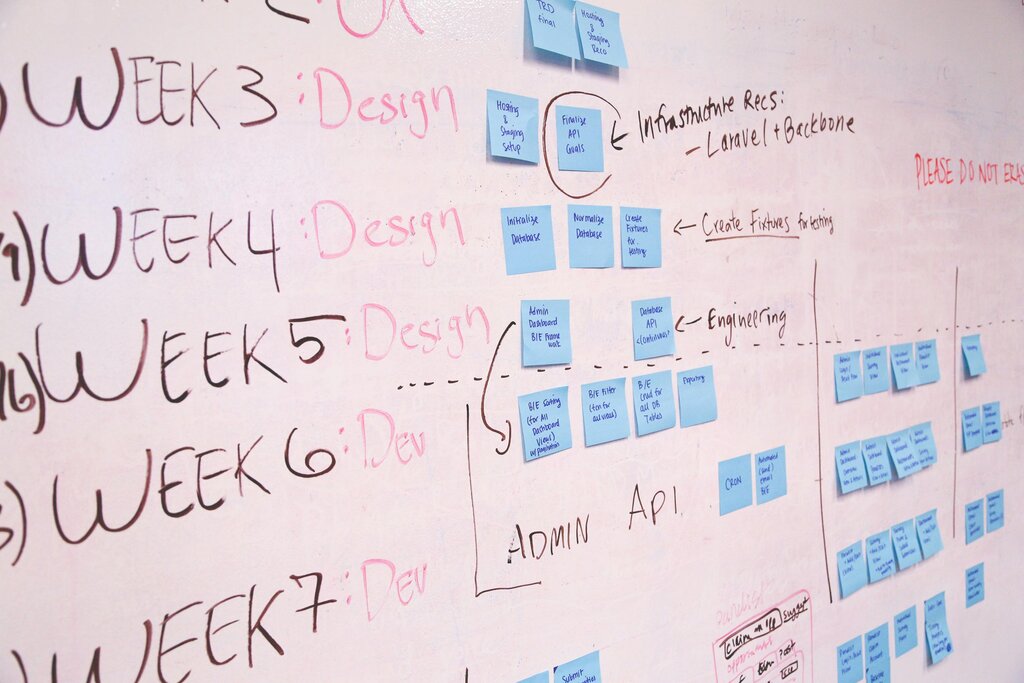
3. Execution This is where the plan is put into action. The project team gets to work creating the deliverables. The project manager's role shifts to coordinating resources, managing the team, and ensuring tasks are completed as planned. This phase is all about producing the actual work of the project.
4. Monitoring & Controlling This phase happens at the same time as execution. It’s the process of keeping an eye on the project's progress. Are we on schedule? Are we over budget? The project manager tracks key metrics, compares them to the original plan, and makes adjustments as needed. This ensures that any deviations from the plan are caught and corrected early.
5. Closing Once all the project work is complete, it's time to formally close it out. This involves delivering the final product to the client or stakeholder, releasing project resources, and documenting lessons learned. What went well? What could be improved next time? This final step is crucial for organizational learning and ensures a clean end to the project.
Now, let's review the key terms we've covered.
Ready to test your knowledge?
What are the two defining characteristics of any project?
Which of the following activities is the best example of a project?
Understanding these fundamental concepts provides the framework for successfully navigating any project, from start to finish.