Project Management Fundamentals
Introduction to Project Management
What Is a Project?
Think about the last time you planned a big event, like a birthday party or a group trip. You had a specific goal (throw a great party), a deadline (the date of the event), and a budget. You had to coordinate different tasks, from sending invitations to buying supplies. That, in a nutshell, was a project.
Project
noun
A temporary endeavor undertaken to create a unique product, service, or result.
The key words here are temporary and unique. A project isn't something you do forever. It has a clear start and a clear end. Its goal is to create something new that didn't exist before, whether it's a new piece of software, a new building, or a research report.
So, what is project management? It's the practice of guiding that project from start to finish. It’s the planning, organizing, and managing of all the different tasks and resources needed to successfully complete the project's goals.
Project management is the practice of applying knowledge, tools, and techniques to deliver work efficiently and effectively.
Projects vs. Everyday Work
It's important to distinguish projects from routine operations. Operations are the ongoing, repetitive activities that keep an organization running. A car factory assembling the same model of car every day is an operation. An accountant closing the books at the end of each month is an operation. These tasks are essential, but they aren't projects because they are not temporary or unique.
A project, on the other hand, would be that same car company designing a brand-new electric vehicle. Or that same accounting firm implementing a new financial software system. Once the new car is designed or the new software is installed, the project is over.
| Characteristic | Project | Operation |
|---|---|---|
| Duration | Temporary (has a start and end) | Ongoing and repetitive |
| Goal | Create something unique | Sustain the business |
| Outcome | A specific product or result | Consistent, repeated output |
| Example | Launching a new marketing campaign | Sending out weekly newsletters |
Understanding this difference is crucial. Applying project management principles to routine operations would be inefficient, while trying to run a project like a routine operation often leads to failure.
The Value of a Good Plan
Why do we need project management? Because projects are complex and risky. Without a structured approach, it’s easy for things to go wrong. A team might build a product that nobody wants, run out of money halfway through, or miss a critical deadline.
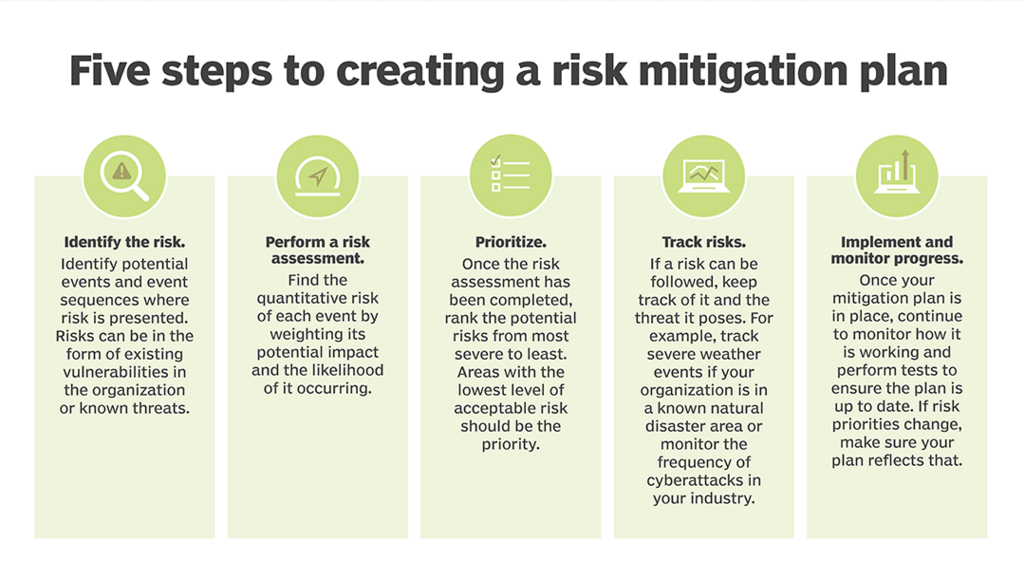
Effective project management acts as a roadmap. It ensures everyone on the team knows what they need to do, when they need to do it, and how their work fits into the bigger picture. It helps manage resources wisely, identify potential problems before they become disasters, and keep stakeholders informed and happy.
Ultimately, the value of project management is that it increases the chances of success. It brings order to chaos. By steering the project carefully, it helps organizations achieve their strategic goals, whether that’s launching a groundbreaking product, improving a service, or expanding into a new market. It turns an ambitious idea into a tangible reality.
Now that you understand the basics, let's test your knowledge.
What are the two defining characteristics of a project?
A coffee shop serves its standard menu of drinks to customers every day. A car company designs a brand-new electric vehicle. Which of these is the project?
By grasping these core ideas, you've taken the first step toward understanding how great things are planned and built.