Project Management Fundamentals
Project Management Fundamentals
What Is Project Management
Think of project management as the art and science of turning a great idea into a reality. It’s the process of guiding a team to achieve specific goals within a set timeframe and budget. Without it, even the best plans can drift off course, run out of money, or miss deadlines.
Project management is the art and science of turning ideas into reality.
Imagine you're building a custom treehouse. You have a vision, but you also have limited materials, a specific patch of yard to build on, and maybe only a few weekends to get it done. Project management is everything you do to make sure that treehouse gets built just right, on time, and without needing a last-minute trip to the hardware store for more nails.
It provides structure and a clear path forward, helping teams navigate challenges and stay focused on the finish line. Every industry, from software development to construction, relies on project management to deliver results efficiently and effectively.
The Role of a Project Manager
The project manager is the conductor of the orchestra. They don't play every instrument, but they ensure all the musicians are playing in harmony to create a beautiful symphony. They are the central point of contact, responsible for planning, executing, and closing the project.
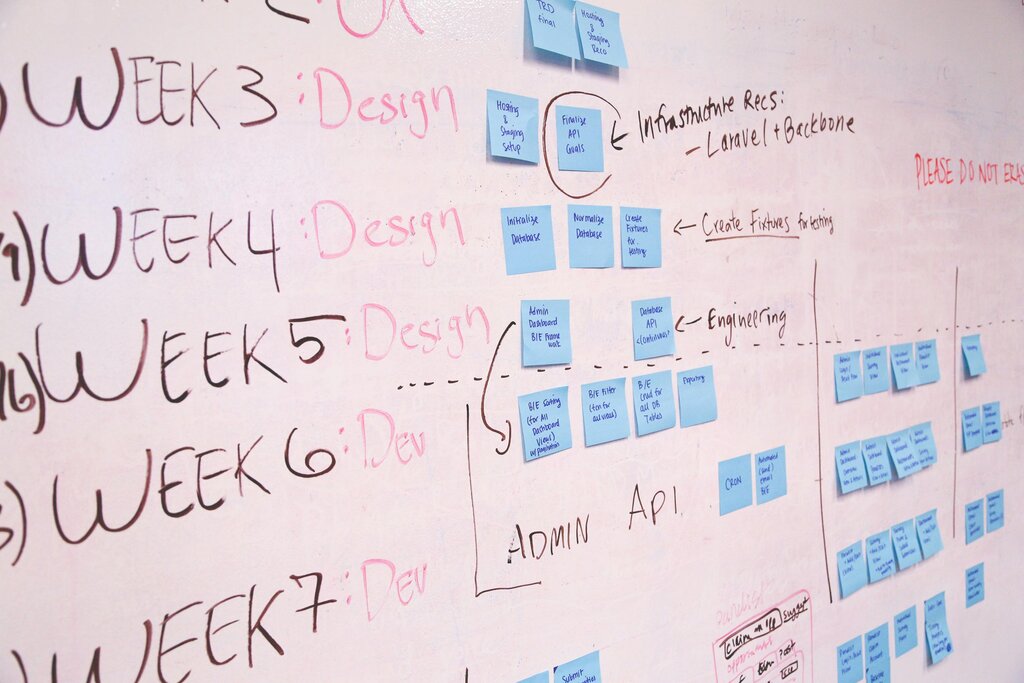
A great project manager is a master of balance. They balance the project's scope (what needs to be done), schedule (the timeline), and budget (the cost). They are leaders, communicators, and problem-solvers all rolled into one. Their main goal is to steer the project to a successful conclusion, meeting all its objectives.
| Responsibility | Description |
|---|---|
| Planning | Defining project goals and creating a roadmap to achieve them. |
| Leading | Motivating the team and ensuring everyone works together smoothly. |
| Executing | Putting the plan into action and managing day-to-day tasks. |
| Controlling | Tracking progress, managing risks, and making adjustments as needed. |
| Communicating | Keeping all stakeholders, from the team to clients, informed. |
| Closing | Finalizing all activities and formally closing the project. |
The Project Lifecycle
Every project, regardless of its size or complexity, moves through a series of phases. This sequence is known as the project lifecycle. Understanding these stages helps organize the work and provides clear checkpoints to ensure everything is on track. There are five main stages.
Initiation
noun
This is where the project is born. The project's value and feasibility are measured. Key stakeholders give their approval, and a project charter is created to authorize the project's start.
2. Planning This is the most crucial phase. The project manager and team develop a detailed roadmap. This includes setting goals, defining scope, creating a budget, identifying risks, and establishing a timeline. A solid plan is the foundation for a successful project.
Building a solid plan is probably the most important thing you do as a project manager because it maps out the steps everyone needs to take to bring the project home on time and on budget.
3. Execution With the plan in place, the work begins. The project team starts creating the deliverables. The project manager's job here is to assign tasks, direct the team, and ensure that work is being completed according to the plan.
4. Monitoring & Controlling This phase happens alongside the execution phase. The project manager tracks progress, measures performance against the plan, and makes adjustments as needed. This ensures that any problems are caught early before they can derail the project.
5. Closing Finally, the project is complete. This phase involves delivering the final product, releasing project resources, and getting sign-off from stakeholders. It's also a time for the team to reflect on the project, documenting lessons learned for the future.
Now let's review the key terms we've covered.
Ready to test your knowledge? Let's see what you've learned.
What is the primary purpose of project management?
The text compares a project manager to a conductor of an orchestra. What does this analogy illustrate?
Understanding these fundamental concepts is the first step toward managing projects successfully. By grasping the 'what,' 'who,' and 'how' of project management, you're building a solid foundation for any project you tackle.