Project Management for a New Fry Shop
Project Management Fundamentals
What is Project Management?
Project management is simply a structured way to get something done. Think about opening a French fry shop. You can't just find a location one day, buy potatoes the next, and hope for the best. There's a process to follow to make sure you open on time, on budget, and without any major surprises.
Project management provides the framework for that process. It's a method for guiding a project from a simple idea to a successful launch. It breaks down a large goal into smaller, manageable steps, ensuring everything gets done in the right order.
Focus on understanding how the five process groups—Initiating, Planning, Executing, Monitoring and Controlling, and Closing—interrelate and contribute to successful project delivery.
The Project Lifecycle
Every project, whether it's building a skyscraper or launching your fry shop, moves through five distinct phases. Think of them as a roadmap that takes you from start to finish.
1. Initiation This is the starting line. The initiation phase is where you define the project at a high level. You figure out what you want to achieve and whether it's feasible. For your business, this is the moment you decide, "Let's open a gourmet French fry shop." You'll create a business case, outlining the goals, potential costs, and risks. The goal here is to get the official green light to proceed.
The key outcome of the initiation phase is project approval. It turns an idea into a tangible project.
2. Planning Once the project is approved, you need a detailed map. The planning phase is all about figuring out how you'll get things done. This is often the most intensive part of the process. For the fry shop, you'd be creating a detailed budget, finding a location, finalizing the menu, making a timeline for construction, creating a marketing strategy, and figuring out staffing needs. A solid plan is the foundation for a successful project.
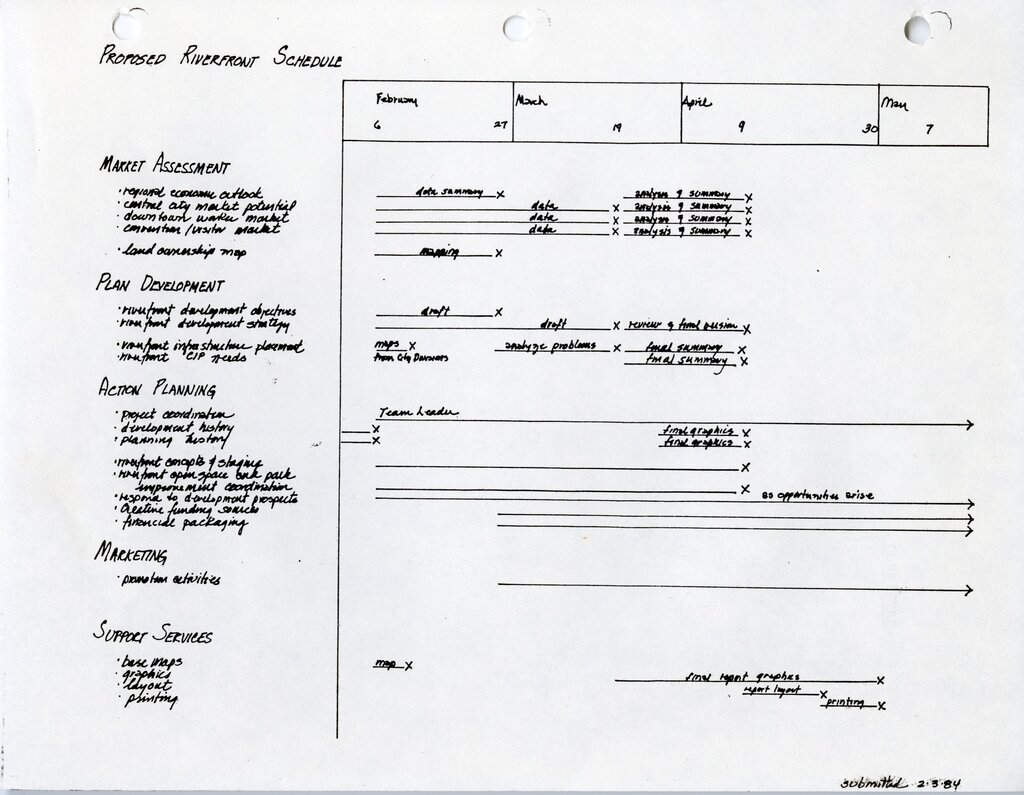
3. Execution This is the 'doing' phase. The team gets to work, following the plan you created. Contractors start building out the shop, you order kitchen equipment, hire employees, and launch your first advertisements. This is where your vision starts to become a reality. The project manager's job here is to keep the team coordinated and the resources flowing so the work gets done.

4. Monitoring and Controlling This phase runs in parallel with execution. You can't just put a plan in motion and walk away. You need to keep a close eye on progress. Are tasks being completed on time? Are you staying within budget? You'll track key metrics and compare them against your original plan.
If the cost of potatoes suddenly spikes, you need to adjust your budget. If construction is delayed, you need to update your timeline. This phase is all about making course corrections to keep the project on track.
Monitoring and controlling isn't about finding blame; it's about finding and solving problems before they derail the project.
5. Closing Finally, your French fry shop is ready to open. The closing phase is about formally completing the project. This involves handing over the keys to the shop manager, finishing up any remaining paperwork, paying final invoices, and releasing the project team. It’s also a crucial time to reflect on what went well and what could be improved for the next project. This review helps you learn from both your successes and your mistakes.
Understanding these five phases gives you a powerful framework for tackling any project. Let's see how well you've grasped these fundamentals.
During which project management phase is the project's feasibility determined and a high-level business case created to get the green light to proceed?
Creating a detailed budget, finalizing the menu, and developing a marketing strategy for your new French fry shop are all key activities of which phase?
By moving through these stages, you can turn a simple idea into a fully operational business in a structured and predictable way.