Project Management Essentials
Project Management Basics
Getting Things Done, Together
At its heart, project management is the art and science of turning an idea into reality. It’s the process of guiding a team to achieve specific goals within a set timeframe and budget. Think of it as a roadmap that takes you from point A (a problem or an idea) to point B (a solution or a finished product), making sure you don't get lost, run out of gas, or take a wrong turn along the way.
Project
noun
A temporary endeavor with a defined beginning and end, undertaken to create a unique product, service, or result.
Without project management, teams can easily drift. Deadlines are missed, costs spiral out of control, and the final result might not be what anyone wanted. Good management brings order to chaos. It ensures everyone knows what they’re supposed to do, when they need to do it, and how their work fits into the bigger picture. This clarity is crucial for hitting goals efficiently and consistently.
The Project Manager's Role
If a project is an orchestra, the project manager is the conductor. They might not play every instrument, but they are responsible for making sure all the individual parts come together to create a harmonious piece of music. They are the central point of leadership and communication, steering the project from start to finish.
A project manager wears many hats. Their primary responsibilities include:
- Planning: Defining the project scope, creating a schedule, and estimating the budget.
- Leading: Assembling and motivating the project team.
- Executing: Putting the plan into motion and managing the day-to-day work.
- Monitoring: Tracking progress against the plan and making adjustments as needed.
- Communicating: Keeping all stakeholders—from team members to executives—informed.
Communication is arguably a project manager's most important job. They bridge the gap between the team doing the work and the stakeholders who have a vested interest in the outcome.
A Project's Journey
Every project, whether it's building a skyscraper or planning a wedding, follows a similar path. This path is called the project life cycle, which is typically broken down into five distinct phases.
- Initiation: This is the starting line. The project's purpose and goals are defined. Key stakeholders are identified, and the project manager is officially assigned.
- Planning: Here, the detailed roadmap is created. This includes defining the scope, setting a schedule, estimating costs, identifying risks, and outlining how the team will communicate.
- Execution: The plan is put into action. The project team gets to work on creating the deliverables.
- Monitoring & Controlling: This phase runs alongside execution. The project manager tracks progress, manages the budget, and resolves any issues that arise to keep the project on course.
- Closure: The project is complete. The final product is delivered, the team is formally disbanded, and a review is conducted to capture lessons learned for future projects.
Choosing a Method
Not all projects are the same, so there isn't a one-size-fits-all approach to managing them. Different methodologies provide frameworks for how to structure the work. Two of the most common are Waterfall and Agile.
Think of these methodologies as different recipes for baking a cake. Both can result in a delicious cake, but they use different steps and techniques.
Waterfall is a traditional, sequential approach. You complete one phase entirely before moving on to the next, like a waterfall cascading down a series of steps. It works well for projects where the requirements are crystal clear from the beginning and unlikely to change, such as constructing a building.
Agile, on the other hand, is an iterative approach. The project is broken down into small, manageable cycles called "sprints." At the end of each sprint, the team delivers a working piece of the project. This allows for flexibility and continuous feedback, making it ideal for projects where requirements might evolve, like software development.
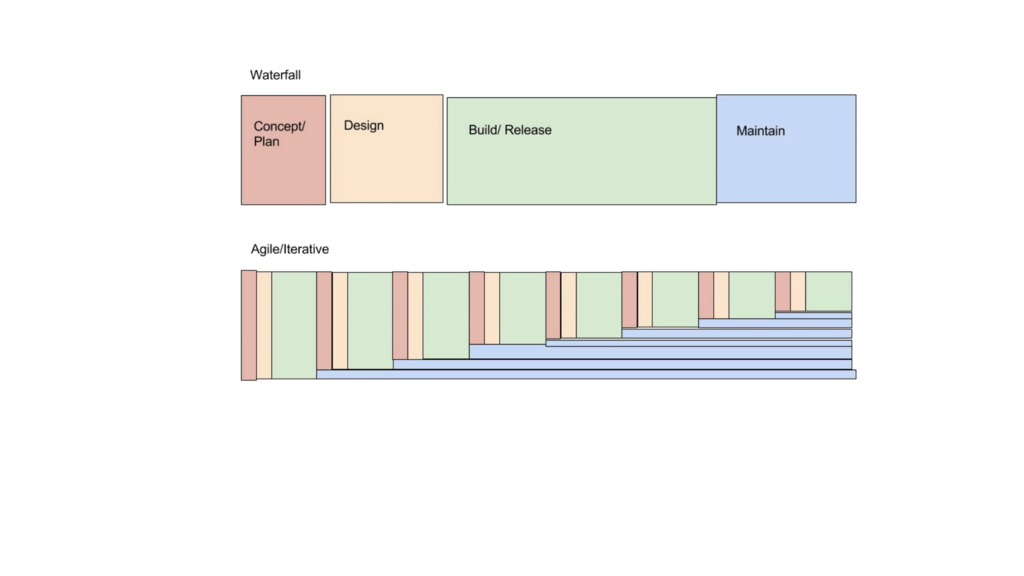
The key is aligning the project with the organization's broader strategic goals. A project shouldn't exist in a vacuum. It should contribute to the company's mission. Whether using Waterfall or Agile, a successful project is one that delivers value and helps move the entire organization forward.
What is the primary role of a project manager, as described by the orchestra analogy?
A software development team is building a new mobile app where user feedback is expected to cause frequent changes to the plan. Which project management methodology would be most suitable?
These core concepts provide the foundation for any successful project. Understanding the 'why,' the 'who,' and the 'how' is the first step toward bringing great ideas to life.