Project Management Essentials
Project Management Basics
What Is a Project?
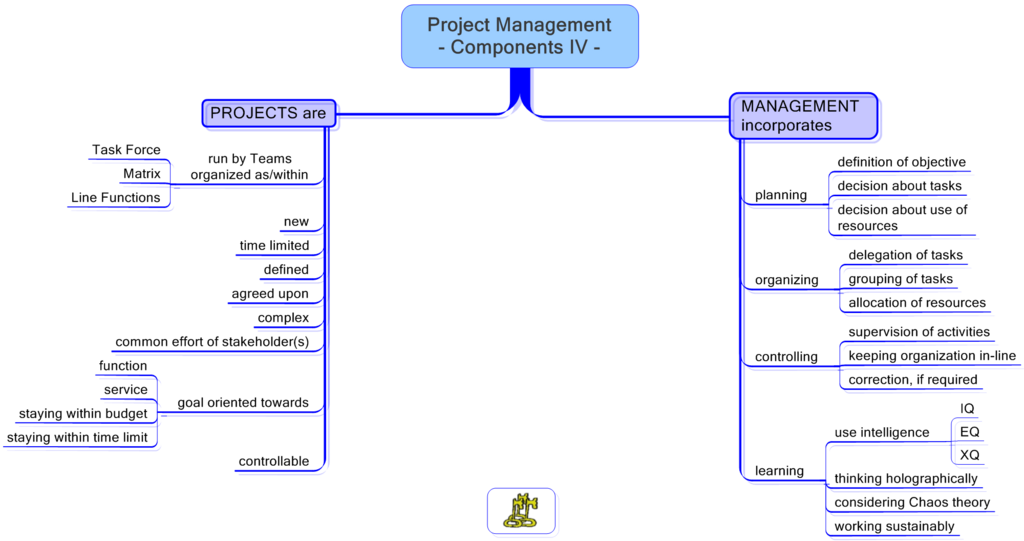
At its core, a project is a temporary effort to create something unique. It could be building a new mobile app, organizing a music festival, or even writing a book. Unlike routine operations, like daily customer support, a project has a clear beginning and a definite end. When the goal is met, the project is done.
Project
noun
A temporary endeavor undertaken to create a unique product, service, or result.
Every project has a specific objective, a budget, and a timeline. The challenge is balancing these three elements. If you want to add more features (scope), you might need more time or money. This balancing act is the heart of project management.
The Role of a Project Manager
A project manager is the person responsible for steering the project from start to finish. They are the main point of contact for everyone involved, from the team doing the work to the stakeholders who are invested in the outcome.
A project manager's job isn't just to boss people around. They are planners, communicators, problem-solvers, and leaders, all rolled into one. Their key responsibilities include:
- Defining the goal: What are we trying to achieve?
- Planning the work: How will we get there, and what do we need?
- Managing the team: Keeping everyone on track and working together.
- Tracking progress: Are we on schedule and within budget?
- Communicating with stakeholders: Keeping everyone informed.
Think of a project manager as the director of a movie. The director doesn't operate the camera or act in the scenes, but they have a vision for the final film and coordinate all the different specialists to make it happen.
The Five Phases of a Project
Every project, regardless of its size or industry, moves through a similar lifecycle. This journey is typically broken down into five distinct phases. Understanding these stages helps organize the work and provides clear checkpoints to ensure everything is on the right path.
Let's break down what happens in each phase.
1. Initiation This is where the project is born. An idea is evaluated to determine if it's feasible and if it should be undertaken. If it gets the green light, a project charter is created. This document outlines the project's objectives, identifies the main stakeholders, and authorizes the project manager to start working.
2. Planning With the project approved, it's time to build the roadmap. The planning phase is crucial and involves detailing every step needed for success. The team defines the project scope, creates a budget, sets a timeline, identifies potential risks, and allocates resources. A solid plan is the foundation for a successful project.
3. Execution This is where the work gets done. The team follows the plan to build the actual deliverables, whether that's software code, a building, or a marketing campaign. The project manager's role here is to coordinate the team, manage resources, and keep the work flowing smoothly.
The Execution and Monitoring phases happen at the same time. You're always tracking progress as the work is being done.
4. Monitoring and Controlling While the team is executing the plan, the project manager is constantly monitoring progress. They track key metrics like budget spend and schedule adherence. If the project starts to drift off course, the project manager takes corrective action to bring it back in line with the original plan. This might involve adjusting timelines, reallocating resources, or managing unexpected risks.
5. Closing Finally, the project work is complete. In the closing phase, the team hands over the final deliverables, gets sign-off from the stakeholders, and releases the project team. It's also a time for reflection. The team documents lessons learned—what went well and what could be improved—to help make future projects even more successful.
Now that you understand the basic concepts and the flow of a project, let's test your knowledge.
What is the key characteristic that distinguishes a project from routine, ongoing operations?
During which phase of the project lifecycle is the detailed plan, including the budget and timeline, created?
By understanding these fundamentals, you have a solid framework for how ideas are turned into reality in a structured and efficient way.