Project Management Essentials
Introduction to Project Management
What is Project Management?
At its heart, a project is a temporary journey with a specific destination. It's an organized effort to create something new, whether that's a new piece of software, a marketing campaign, or a community garden. Because it's temporary, every project has a clear beginning and a definite end.
Project
noun
A temporary endeavor undertaken to create a unique product, service, or result.
Project management is the art and science of guiding this journey. It's the application of knowledge, skills, tools, and techniques to ensure the team reaches its destination successfully. A project manager steers the ship, making sure it doesn't run out of fuel (budget), get lost (scope creep), or arrive late (missed deadlines).
Think of it this way: project management brings order to chaos. It provides a framework for turning a great idea into a tangible reality.
Why Does It Matter?
Without a structured approach, projects can easily drift off course. Imagine trying to build a house without a blueprint or a schedule. The foundation might be poured in the wrong place, the electricians could show up before the walls are framed, and you might run out of money before the roof is on.
Good project management prevents these kinds of problems. It ensures that everyone knows what they're supposed to do, when they're supposed to do it, and what resources they have. This leads to clear benefits:
- Clear Direction: Everyone understands the project's goals and their role in achieving them.
- Increased Efficiency: Resources, time, and money are used wisely, reducing waste.
- Better Risk Management: Potential problems are identified and planned for early on.
- Stakeholder Satisfaction: The final result is more likely to meet the expectations of the people who matter most.
Ultimately, project management helps organizations deliver the right results, on time and on budget.
The People on the Project
Projects are team sports, and a few key roles are essential for success. While titles can vary, the core responsibilities usually fall into these categories.
| Role | Primary Responsibility |
|---|---|
| Project Manager | The leader. Plans, executes, monitors, and closes the project. They are the main point of communication. |
| Project Team | The doers. These are the specialists (designers, engineers, writers, etc.) who create the project's deliverables. |
| Project Sponsor | The champion. This person or group provides the financial resources and supports the project at an executive level. |
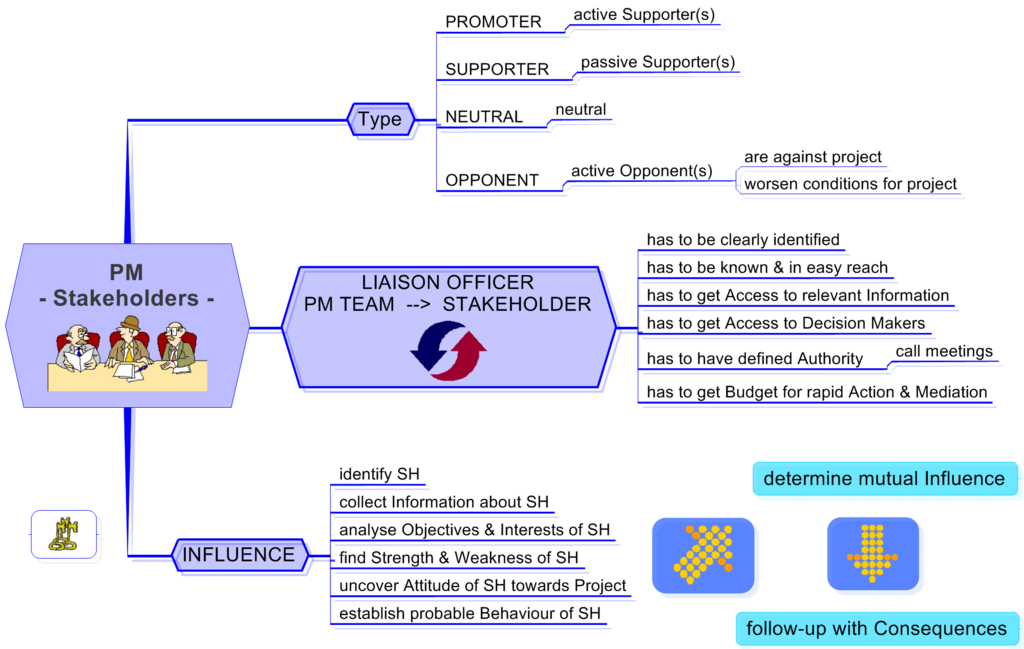
| Stakeholders | The interested parties. Anyone who is affected by the project or its outcome, including customers and end users. |
Identifying and understanding the needs of all stakeholders is a critical task for any project manager. It ensures the project stays aligned with what people actually want and need.
Project vs. General Management
It’s easy to confuse project management with general (or operations) management, but they serve different purposes.
General management is about keeping the day-to-day business running. It focuses on ongoing, repeatable processes like manufacturing, customer support, or sales. The goal is efficiency and consistency in processes that don't have a defined end date.
Project management, on the other hand, is about creating change. It deals with unique, one-time initiatives that have a specific start and finish. Once the project's goal is achieved, the project is complete.
A simple way to think about it: operations management keeps the lights on, while project management installs new, more efficient light bulbs.
Now that you have a grasp of these core concepts, you're ready to explore how projects are brought to life.