Project Management Essentials
Introduction to Project Management
What Makes a Project a Project?
At its core, a project is a temporary effort to create a unique product, service, or result. Think about that for a moment. Two words are key here: temporary and unique.
A project has a clear beginning and a definite end. It's not something that goes on forever. This end is reached when the project’s goals are achieved or when it becomes clear the goals cannot be met and the project is terminated.
It's also unique. It's not a routine operation. Building your city's first-ever suspension bridge is a project. The daily maintenance of that bridge, once it's built, is not.
Project
noun
A temporary endeavor undertaken to create a unique product, service, or result. It has a defined start and end, a specific scope, and dedicated resources.
Projects can be big or small. Organising a surprise birthday party is a project. So is sending a rover to Mars. Both have a specific goal, a timeline, and a set of tasks that need to be completed to get there.
Projects vs. Operations
It's easy to confuse projects with day-to-day business operations, but they are fundamentally different. Operations are the ongoing, repetitive activities that keep a business running. Think of manufacturing cars on an assembly line or processing payroll every month. These tasks are essential, but they are not projects.
Projects are about creating something new or bringing about change. They disrupt the status quo. Once the project is done, it might become part of operations, or it might just be a one-time thing. For example, upgrading a company's entire computer network is a project. The daily work of the IT helpdesk is an operation.
| Feature | Project | Operation |
|---|---|---|
| Nature | Unique and temporary | Ongoing and repetitive |
| Goal | Achieve a specific, one-time objective | Sustain the business |
| Duration | Has a defined start and end date | Continuous |
| Team | Often temporary and cross-functional | Typically stable and functional |
| Outcome | A unique product, service, or result | Standard products or services |
Why Bother with Project Management?
If a project is just a series of tasks, why do we need a whole discipline to manage it? Because without a structured approach, projects can easily spiral out of control. They can go over budget, miss deadlines, and fail to deliver what was promised.
Project management provides the framework for guiding a project from start to finish. It's the application of knowledge, skills, tools, and techniques to ensure the project meets its requirements.
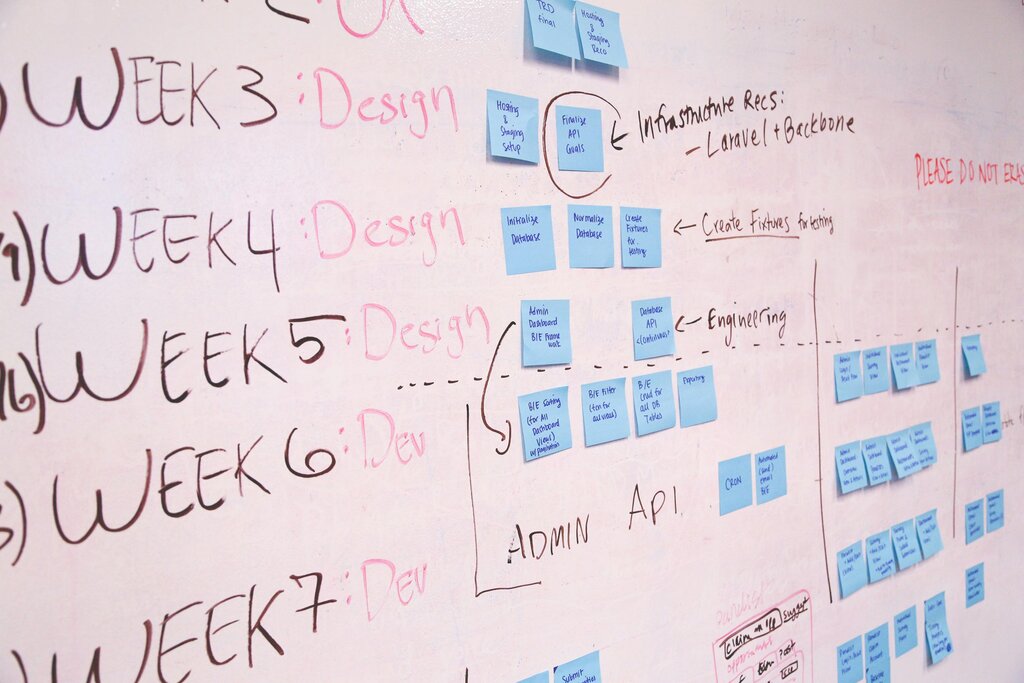
Effective project management helps teams work more efficiently and collaboratively. It ensures that everyone knows what they are supposed to be doing and when. It helps identify potential problems early, so they can be dealt with before they become major issues. Ultimately, it increases the chances of success, ensuring the project delivers real value.
Good project management means you're not just hoping for the best. You're planning for success.
The Project Life Cycle
Every project, regardless of size or complexity, follows a similar path from beginning to end. This path is known as the project life cycle. Thinking of a project in phases helps to organise and control its progress. While different models exist, a typical life cycle consists of five main groups of processes.
Here’s a quick look at what each phase involves:
- Initiation: This is where the project is born. The idea is defined, its value is determined, and it gets the green light to proceed.
- Planning: The roadmap is created. The project manager defines the scope, sets goals, identifies tasks, estimates costs, and creates a schedule.
- Execution: The plan is put into action. The project team gets to work on the tasks, creating the deliverables.
- Monitoring & Controlling: This phase runs alongside execution. The project manager tracks progress, manages resources, and makes sure everything is on track. If things go off course, adjustments are made.
- Closing: The project is complete. The final product is delivered, resources are released, and the project is formally closed out. This is also a time to reflect on lessons learned.
Focus on understanding how the five process groups—Initiating, Planning, Executing, Monitoring and Controlling, and Closing—interrelate and contribute to successful project delivery.
The Project Manager's Role
At the heart of any successful project is a skilled project manager. This person is the leader responsible for steering the project from initiation to closing. They are the main point of contact and the person who holds everything together.
A project manager's job is multifaceted. They aren't just creating schedules and tracking budgets. They are leaders, communicators, problem-solvers, and negotiators all rolled into one.

Key responsibilities include:
- Planning: Developing the project plan that guides the team.
- Leading: Assembling and managing the project team, providing motivation and direction.
- Communicating: Keeping all stakeholders, from team members to executives, informed about progress.
- Managing Risk: Identifying potential problems and creating plans to mitigate them.
- Controlling Budget and Schedule: Ensuring the project stays within its financial and time constraints.
In essence, the project manager is the conductor of the orchestra. They might not play every instrument, but they are responsible for making sure all the parts come together to create a beautiful piece of music.
What are the two defining characteristics of a project?
Which of the following is the best example of a project?
This introduction covers the basic building blocks of project management. Understanding these concepts is the first step toward successfully leading projects of your own.