Project Management Essentials
Introduction to Project Management
What Is Project Management?
Think about building a treehouse. You can't just start nailing boards to a tree and hope for the best. You need a plan. Who will help? What materials do you need? How long will it take? Answering these questions, and then guiding the work to get the treehouse built, is project management in a nutshell.
Project management is the art and science of turning ideas into reality.
At its core, project management is the practice of planning, executing, and overseeing the work of a team to achieve a specific goal within a set timeframe. It provides structure and helps ensure that the final result is delivered on time, within budget, and meets the required quality standards. Without it, efforts can become chaotic, expensive, and ultimately fail.
Project
noun
A temporary endeavor undertaken to create a unique product, service, or result.
The key words here are temporary and unique. A project has a clear start and end date. It's not something that goes on forever. This is the main difference between a project and day-to-day operations.
Operations are the ongoing, repetitive activities that keep a business running. For example, building a new online store is a project. Fulfilling customer orders from that store every day is an operation.
The People Involved
Every project involves a cast of characters, each with a distinct role to play. Understanding these roles is crucial for smooth collaboration.
| Role | Primary Responsibility |
|---|---|
| Project Manager | The leader. Plans, executes, and closes the project. |
| Team Members | The doers. Use their skills to complete project tasks. |
| Stakeholders | Anyone invested in the project's outcome (e.g., clients). |
| Sponsor | A key stakeholder who champions and funds the project. |
The Project Manager is like the director of a movie. They don't act in every scene, but they ensure everyone knows their part, the schedule is on track, and the final film matches the vision. The team members are the actors and crew, and the stakeholders are the studio executives and audience who are eagerly awaiting the final cut.
A Project's Journey
Projects typically move through a series of phases known as the project life cycle. While the details can vary, the journey almost always follows a logical progression from idea to completion.
This cycle provides a predictable framework. At each stage, key decisions are made and specific work is done to move the project closer to its goal. The closing phase is particularly important; it's where the team hands over the final product and formally ends the project, often reviewing lessons learned for the future.
Different Ways to Manage
Just as there are many ways to build a treehouse, there are different methods for managing a project. The best approach depends on the project's goals, complexity, and how much is known upfront. Here are three common methodologies.
Waterfall: This is a traditional, linear approach. Each phase of the project must be fully completed before the next begins. It’s like building with LEGOs from an instruction manual; you follow the steps in a strict order. This method works well when the requirements are well-understood and unlikely to change.
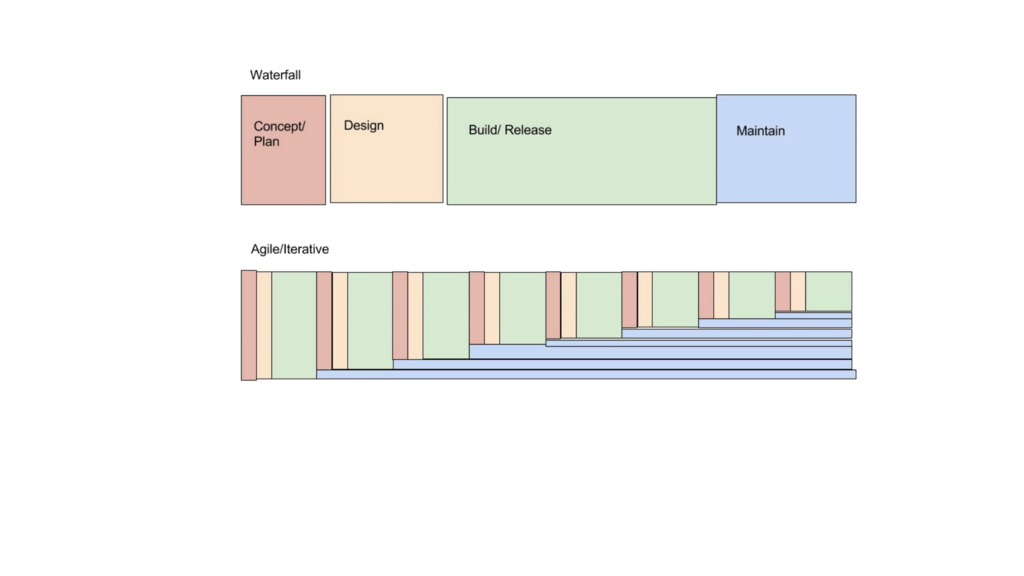
Agile: In contrast, Agile is an iterative approach. The project is broken down into small, manageable cycles called sprints. The team builds and delivers a small piece of the project in each sprint, getting feedback along the way. It’s ideal for projects where requirements are expected to evolve, like software development, because it allows for flexibility and continuous improvement.
PRINCE2 (PRojects IN Controlled Environments): This is a highly structured, process-based methodology. It emphasizes clear roles, responsibilities, and control over the project. PRINCE2 breaks the project into manageable stages and is built around seven core principles, ensuring a well-defined and organized approach. It's widely used in the UK government and by many private organizations globally.
Ready to test your understanding? This quiz will cover the fundamental concepts we've just discussed.
What is the primary purpose of project management?
The main difference between a project and day-to-day operations is that a project is ____ and unique.
Understanding these foundations—what a project is, who's involved, its life cycle, and the different ways to approach it—is the first step toward successfully turning any idea into a finished product.