Project Management Essentials
Introduction to Project Management
Turning Ideas Into Reality
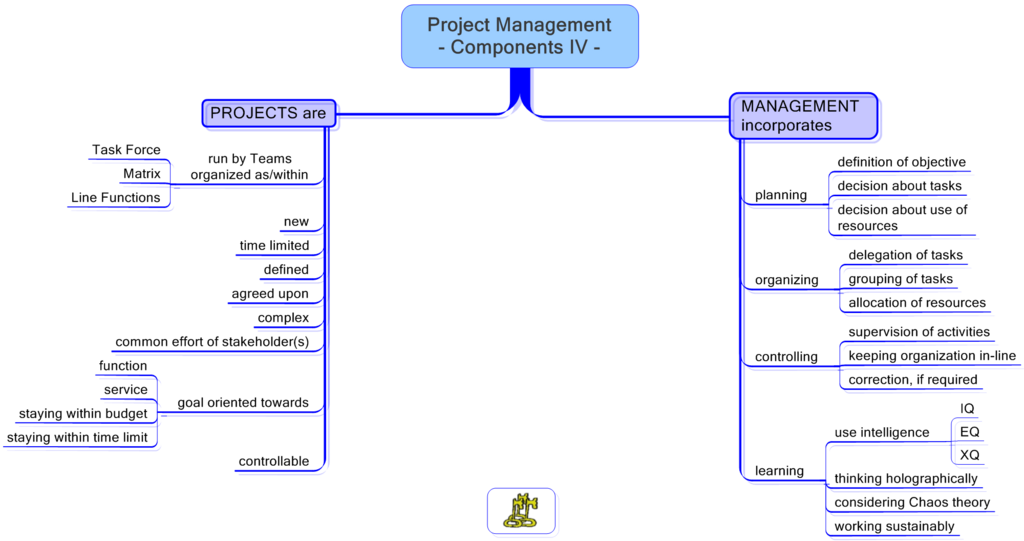
Before we can manage a project, we need to know what a project is. A project isn't your day-to-day routine. It's a temporary effort to create something unique—a new app, a redesigned website, a community garden, or even planning a wedding. Projects have a clear start and end date, and a specific goal.
So, what is project management? It's the practice of steering a project from start to finish to achieve its goals. Think of it as the instruction manual for building something new. It involves planning the work, organizing the team, and seeing the plan through to completion.
Project management brings a structured approach to a unique challenge, ensuring that the final result is delivered on time and within budget.
Why It Matters
Without project management, teams can easily get lost. They might miss deadlines, go over budget, or build the wrong thing entirely. It's like trying to build a house without a blueprint. You might end up with a structure, but it probably won't be what you wanted.
Good project management provides a roadmap. It ensures everyone knows what they're supposed to do and when. It helps identify potential problems early, so they can be fixed before they become disasters. This clarity saves time, money, and a lot of headaches.
The Key Players
Every project has a cast of characters who play important roles. Understanding who they are is crucial to making a project successful. The three main groups are the project manager, the team members, and the stakeholders.
Project Manager
noun
The person responsible for leading the project and the team. They plan, execute, and close the project, acting as the central point of communication.
Next are the team members. These are the specialists who do the hands-on work—the coders, designers, writers, and builders. They are the experts in their respective fields, responsible for completing the tasks that make up the project.
Finally, we have stakeholders. This is a broad term for anyone who has an interest or is affected by the project. Stakeholders can be internal, like company executives or the marketing department, or external, like customers, investors, or government regulators. Their needs and expectations have a big influence on the project's goals and outcome.
The project manager works to balance the needs of all stakeholders while guiding the project team to deliver the final product. It's a dance of communication, organization, and problem-solving.
Let's check your understanding of these foundational concepts.
Which of the following best describes a project?
What is the primary purpose of project management?
With a clear goal, a plan to get there, and the right people in the right roles, any idea can become a successful project.