Project Management Essentials
Project Management Fundamentals
What is Project Management?
Think about planning a big event, like a surprise party. You have a goal (surprise your friend), a deadline (their birthday), and a budget (how much you can spend on cake and decorations). You need to coordinate tasks, like sending invitations, buying supplies, and getting everyone to the location on time. That's a project in a nutshell.
In a business context, a project is a temporary effort to create a unique product, service, or result. It has a clear start and end date and specific goals. Project management is the practice of leading the work of a team to achieve all project goals within the given constraints. It's the discipline of planning, executing, and completing work to bring a specific idea to life.
The main purpose of project management is to bring order to chaos. Without it, teams can drift, deadlines get missed, and costs can spiral out of control.
The Three Constraints
Every project, whether it's building a skyscraper or a new mobile app, is governed by three main constraints. They're often called the "triple constraint" or the "iron triangle," because they are all linked. If you change one, you must adjust at least one of the others.
Let's break them down.
Scope
noun
The specific goals, deliverables, features, and functions of the project. It's the 'what' you are building.
- Time: This is the project's schedule. It defines the deadline for completion and any major milestones along the way. How long do we have?
- Budget: This is the cost of the project. It includes all the resources needed to get the work done, such as labor, materials, and equipment. How much can we spend?
Imagine your project is to build a new feature for an app. If a stakeholder suddenly asks for three more features (expanding the scope), you can't realistically expect to deliver it by the same deadline (time) or for the same price (budget). As a project manager, your job is to balance these three elements to deliver a successful result.
The Project Team
A project isn't a solo effort. It requires a team of people with different roles and responsibilities, all working together. While titles can vary, most project teams include a few key players.
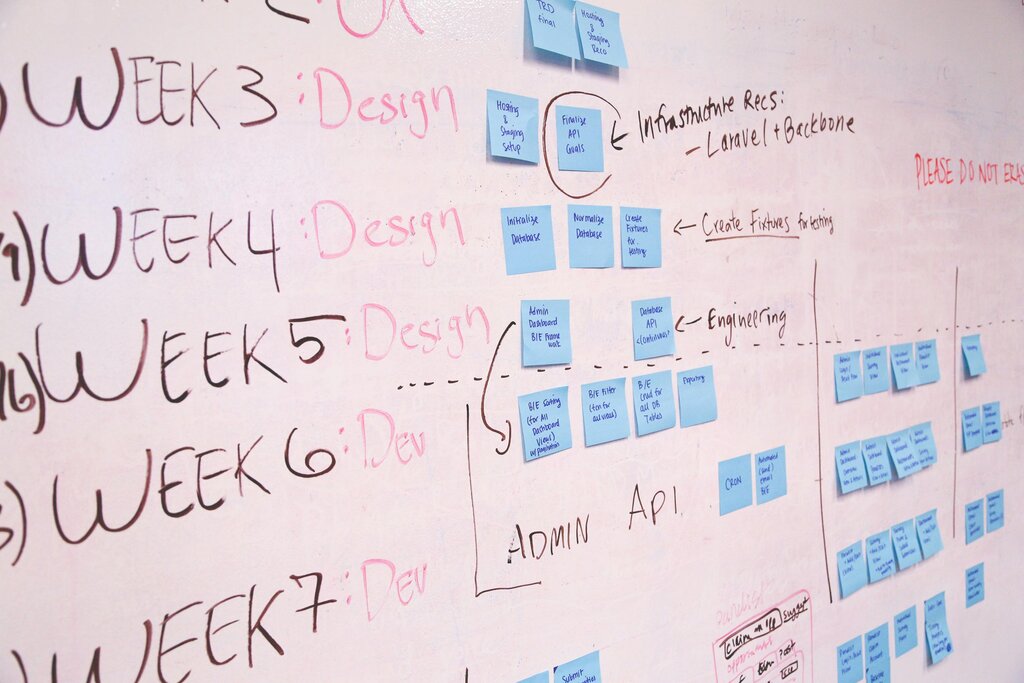
Understanding who does what is essential for a smooth workflow.
| Role | Key Responsibilities |
|---|---|
| Project Manager | Plans, executes, and closes the project. The main point of contact. |
| Project Sponsor | Champions the project, provides resources, and makes major decisions. |
| Team Members | The specialists who perform the project tasks (e.g., developers, designers). |
| Stakeholders | Anyone with an interest or influence in the project's outcome. |
Communication Is Key
You can have a perfect plan, an expert team, and a generous budget, but if communication fails, the project is likely to fail, too. Communication is the glue that holds a project together.
A project manager spends a huge amount of time communicating. They provide status updates to stakeholders, clarify requirements for team members, and ensure everyone is aligned on the project goals. This involves regular meetings, clear documentation, and being available to answer questions.
Effective collaboration means ensuring everyone understands the 'why' behind their tasks, not just the 'what'. When the team and stakeholders are on the same page, problems get solved faster and the final product is much more likely to meet expectations.
By understanding these fundamentals—what a project is, its core constraints, the key players, and the need for clear communication—you've built the foundation needed to tackle any project.