Project Management Essentials
Project Management Fundamentals
What Makes It a Project?
Think about the last time you planned a birthday party or organized a big move. You had a specific goal, a deadline, and a series of tasks to get done. Congratulations, you managed a project. At its core, a project is a temporary effort to create a unique product, service, or result.
Unlike routine work, projects have a clear beginning and end. They aren't meant to go on forever.
Let’s break down the key characteristics:
- Temporary: A project always has a defined start and finish line. The goal isn't to do the work indefinitely, but to complete it and move on.
- Unique: No two projects are exactly the same. Building a second bridge next to an existing one is still a unique project—the weather conditions, the team, and the specific challenges will be different.
- Specific Goal: Every project aims to achieve something concrete. This could be launching a new app, constructing a building, or publishing a report. The goal is what drives the project forward.
Why Bother Managing Projects?
Without a plan, even simple projects can spin out of control. Project management brings order to the chaos. It’s the practice of applying skills, knowledge, and tools to meet a project's requirements and achieve its goals. It helps teams work more efficiently, stay on budget, and finish on time.
Imagine a ship's captain navigating through a storm. The captain uses charts, checks the weather, and directs the crew to keep the ship on course. A project manager does the same for a project, steering it past challenges and toward its destination.
The ultimate goal of project management is not just to complete tasks but to deliver value to stakeholders.
This focus on delivering a specific outcome is what separates project management from general management. General management is about overseeing a company's ongoing operations—the day-to-day work that keeps the business running. Project management, on the other hand, is about guiding a special, one-time effort from start to finish.
| Feature | Project Management | General Management |
|---|---|---|
| Focus | Achieving a specific, unique goal | Maintaining ongoing business operations |
| Timeline | Temporary (defined start and end) | Continuous and long-term |
| Team | Often temporary and cross-functional | Stable, functional departments |
| Success Metric | Meeting project goals on time and budget | Overall business performance and profitability |
The People on the Team
A project is a team sport, and it’s important to know the players. While many people can be involved, two roles are central: the project manager and the stakeholders.
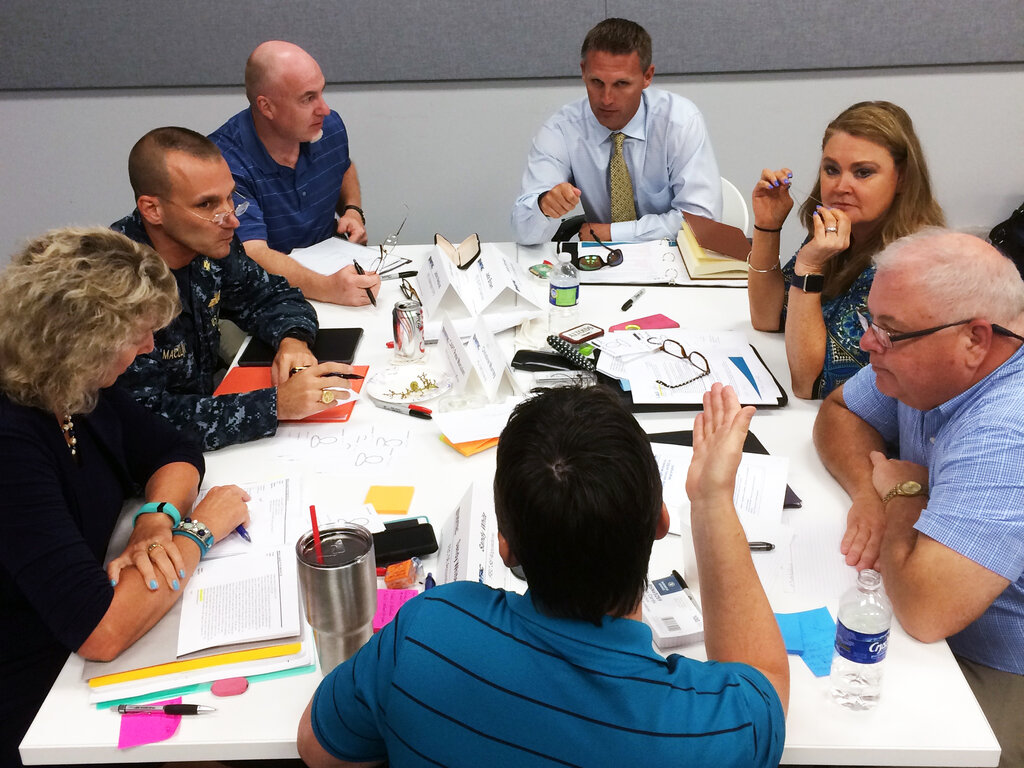
The Project Manager is the captain of the ship. They are responsible for planning, executing, and closing the project. This person doesn't do all the work themselves. Instead, they lead the team, manage the schedule, track the budget, and communicate with everyone involved to ensure the project stays on track.
stakeholder
noun
Any person, group, or organization that can affect, be affected by, or perceive itself to be affected by a project.
Stakeholders are anyone with an interest in the project's outcome. This is a broad category that can include customers, the project team itself, company executives, and even government regulators. A key part of a project manager's job is to understand and manage the expectations of all these different stakeholders.
Now that you understand the basic landscape of projects, let's test your knowledge.
Which of the following best defines a project?
The primary role of a Project Manager is to personally complete all the major tasks of the project.
Understanding these core concepts—what a project is, why management is crucial, and who is involved—provides a solid foundation for any project you tackle.