Project Management Essentials
Introduction to Project Management
Turning Ideas into Reality
Think about any big achievement, from building the pyramids to launching a new app. None of it happened by accident. These were all projects, and they succeeded because of project management. At its core, project management is the process of planning, executing, and overseeing the work of a team to achieve specific goals within a set timeframe.
It’s the practice of applying knowledge, tools, and techniques to deliver work efficiently and effectively.
Without it, teams can drift without clear direction, deadlines get missed, and costs spiral out of control. Good project management brings order to chaos. It provides a framework for guiding a project from a rough idea to a finished product, ensuring everyone is working together toward the same outcome.
Projects vs. Operations
It's important to distinguish projects from day-to-day operations. A project is a temporary effort to create a unique product, service, or result. It has a definite beginning and end. Operations, on the other hand, are the ongoing, repetitive activities that keep a business running.
| Feature | Project | Operation |
|---|---|---|
| Duration | Temporary | Ongoing |
| Goal | Unique outcome | Sustain the business |
| Team | Often cross-functional | Usually functional |
| Focus | Completing the work | Efficiency & performance |
For example, designing and building a new coffee shop is a project. Once it's open, the daily tasks of brewing coffee, serving customers, and ordering supplies are operations.
The Role of the Project Manager
Every project needs a leader. The project manager is the person responsible for steering the project from start to finish. They are the central point of communication, the chief problem-solver, and the motivator for the team. They don't usually do the hands-on work themselves, but they make sure the work gets done.
Stakeholder
noun
Any person, group, or organization that can affect, be affected by, or perceive itself to be affected by a project.
Key responsibilities include:
- Defining the Goal: Working with stakeholders to clarify what the project needs to achieve.
- Planning: Creating a detailed roadmap, including timelines, budgets, and required resources.
- Leading the Team: Assembling the team, assigning tasks, and keeping everyone motivated and on track.
- Managing Progress: Monitoring the project's performance and making adjustments as needed.
- Communicating: Keeping all stakeholders informed about progress, risks, and changes.
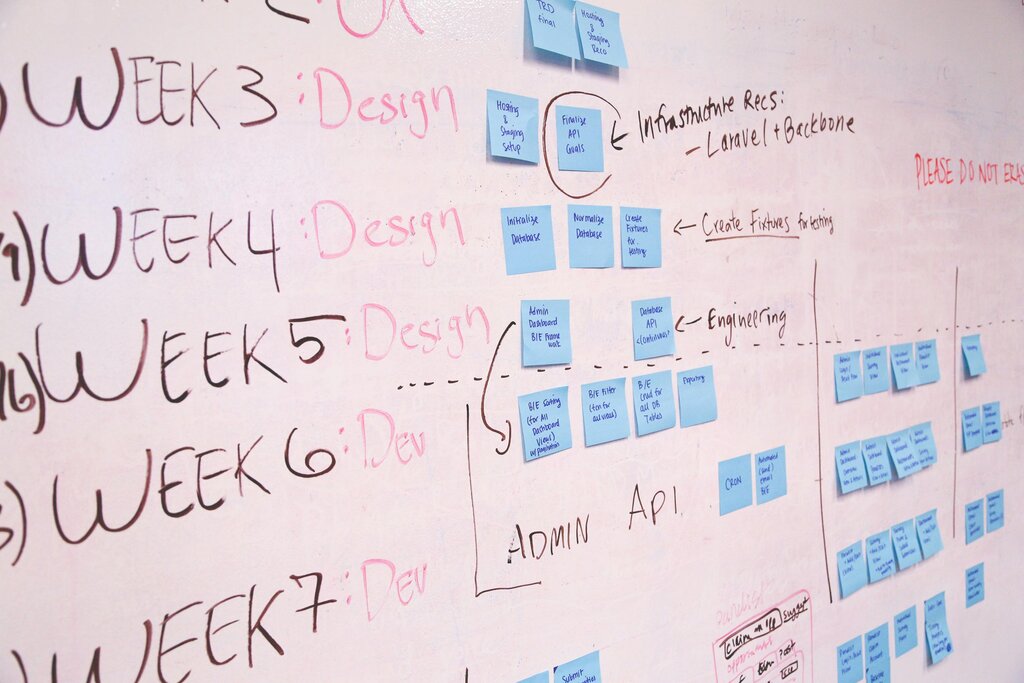
The Project Lifecycle
Projects typically follow a path from beginning to end known as the project lifecycle. This provides a structured approach to managing the work. While details can vary, the lifecycle generally consists of five main phases.
1. Initiation: This is where the project is born. The idea is evaluated, its goals are broadly defined, and its feasibility is determined. If it gets the green light, a project charter is created, officially authorizing the project to begin.
2. Planning: Here, the project manager develops a detailed roadmap. This phase involves defining the project scope, setting a budget, creating a schedule, identifying risks, and outlining communication plans. A solid plan is the foundation of a successful project.
3. Execution: The plan is put into action. The project team is assembled and begins the work of creating the deliverables. This is often the longest phase and requires the most resources.
4. Monitoring and Controlling: This phase runs alongside execution. The project manager tracks progress against the plan, manages changes, and resolves issues that arise. The goal is to keep the project on time and on budget.
5. Closing: The project is complete. The final deliverables are handed over, all documentation is finalized, and resources are released. The team also reflects on the project to identify lessons learned for the future.
By following these foundational principles and phases, teams can navigate the complexities of any project and greatly increase their chances of success.
Which statement best distinguishes a project from ongoing business operations?
What is the primary role of a project manager?