Project Management Essentials
Project Management Basics
What Is a Project?
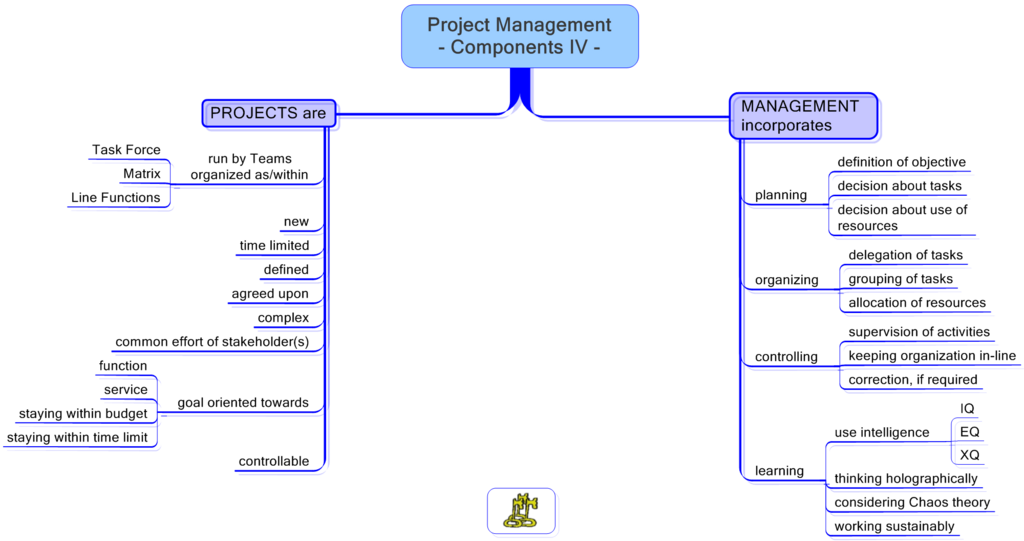
At its core, a project is a temporary effort to create a unique product, service, or result. Think about building a website, organizing a music festival, or even writing a book. These are all projects. They have a clear start and end date, a specific goal, and a defined scope. This makes them different from ongoing operations, like a factory's daily production line, which repeats the same process over and over.
A project isn't routine work. It's a one-time endeavor with a specific beginning and end.
Every project has a few key characteristics:
- Temporary: It has a definite endpoint. Once the goal is achieved, the project is complete.
- Unique: The outcome is something new. Even if you've built a website before, a new site for a different client will have unique requirements and challenges.
- Specific Goal: There's a clear objective to be met. This could be launching a new app, constructing a bridge, or planning a wedding.
The Project Manager's Role
If a project is a journey, the project manager is the guide. They are responsible for steering the project from start to finish, ensuring it stays on track and meets its objectives. A project manager's job isn't just about giving orders; it's about leadership, communication, and problem-solving.
A project manager, or PM, coordinates the elements of a project, aiming for timely completion within budget and with high standards.
Key responsibilities include defining the project's goals, creating a realistic plan, managing the budget and resources, and leading the team. They act as the central point of communication for everyone involved, from the team members doing the work to the stakeholders who have an interest in the outcome. When problems arise, and they always do, the project manager is the one who figures out how to solve them.
The Project Life Cycle
Projects don't just happen. They move through a structured sequence of phases known as the project life cycle. This structure helps organize the work and ensures that important steps aren't missed. While the specifics can vary, most projects follow a similar five-stage path.
1. Initiation: This is where the project is born. The idea is evaluated to determine if it's feasible and if it aligns with the organization's goals. If it gets the green light, a project charter is created. This document officially authorizes the project and names the project manager.
2. Planning: Once the project is approved, it's time to plan. The project manager and team create a detailed roadmap. This includes defining the scope (what needs to be done), setting a budget, creating a schedule with deadlines, identifying potential risks, and allocating resources. A solid plan is the foundation for a successful project.
Building a solid plan is probably the most important thing you do as a project manager because it maps out the steps everyone needs to take to bring the project home on time and on budget.
3. Execution: The plan is put into action. The team gets to work on the project tasks, and the project manager coordinates their efforts. This phase is all about producing the actual deliverables, whether that's writing code, constructing a building, or running a marketing campaign.
4. Monitoring & Controlling: This phase happens at the same time as execution. The project manager tracks the project's progress against the plan. Are we on schedule? Are we within budget? Is the quality of work up to standard? If things start to go off track, the manager makes adjustments to bring the project back in line.
5. Closing: The project is complete. The team delivers the final product, and the project manager gets formal acceptance from the stakeholders. The final steps include releasing the project team, documenting lessons learned, and celebrating the success.
Understanding these fundamental concepts is the first step toward managing work more effectively, whether you're leading a large team or just trying to organize your own tasks.
Ready to test your knowledge?
Which of the following best describes a key difference between a project and an ongoing operation?
During which phase of the project life cycle is the project charter created?
By mastering these core ideas, you build a strong foundation for tackling any project that comes your way.