Project Cash Flow Analysis
Introduction to Project Cash Flow Analysis
What Is Project Cash Flow?
Think of a project's finances like a bathtub. The water coming in from the faucet represents cash flowing into the project. The water going down the drain is cash flowing out. Project cash flow analysis is simply the process of tracking that water level. It’s a close look at all the money moving in and out of a project over a specific period.
The goal is to ensure there's always enough water in the tub to keep the project afloat, from start to finish.
This movement of money is broken down into two simple categories: inflows and outflows.
inflow
noun
Any money coming into the project.
Cash inflows are the sources of funding for your project. They can come from various places, like initial investments, loans, or revenue generated by the project itself.
outflow
noun
Any money going out of the project.
Cash outflows are all the costs and expenses required to keep the project running. This includes everything from salaries to software subscriptions.
| Cash Inflows (Sources) | Cash Outflows (Uses) |
|---|---|
| Customer Payments | Salaries and Wages |
| Loans or Financing | Material and Equipment Costs |
| Investor Capital | Rent and Utilities |
| Grants | Marketing Expenses |
| Sale of Assets | Subcontractor Fees |
Why It Matters
A project can be profitable on paper but still fail if it runs out of cash. This might sound strange, but it happens all the time. An income statement might show you've earned a lot of revenue, but if your clients haven't paid their invoices yet, you don't have the cash to pay your own bills.
Cash flow analysis helps you see these potential shortfalls before they become crises. It’s about ensuring liquidity, which is the ability to cover short-term expenses. Without it, a project can grind to a halt.
The chart above shows a common scenario. The project starts with cash, but expenses cause the balance to dip into negative territory mid-way through. Even though it ends with a healthy profit, the project was at risk of failure during that 'cash gap'. Proper analysis would have helped the project manager plan for this, perhaps by securing a short-term loan or arranging different payment terms with clients.
Role in Project Management
For a project manager, cash flow analysis isn't just a financial exercise; it's a core management tool. It's used to:
- Assess Viability: Before a project even starts, a cash flow forecast helps determine if it's financially feasible.
- Secure Funding: Lenders and investors want to see a clear projection of how their money will be used and how the project will generate enough cash to pay them back.
- Monitor Health: Once a project is underway, comparing actual cash flow to the forecast helps spot problems early. If outflows are higher than expected, you can take corrective action before it's too late.
- Make Decisions: Should you buy new equipment or lease it? Can you afford to hire another team member now? Cash flow analysis provides the data needed to make informed choices.
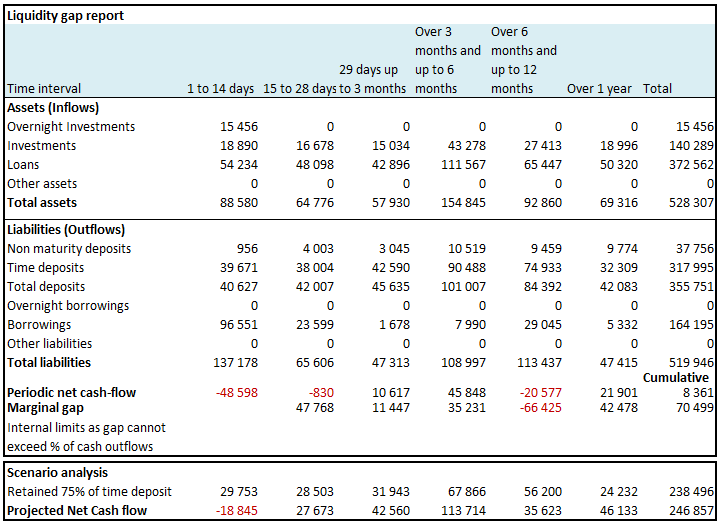
Ultimately, managing cash flow is about managing risk. By understanding when money is expected to come in and when it needs to go out, you can navigate the financial ups and downs of any project.
What is the primary purpose of project cash flow analysis?
A software development project is highly profitable on paper because it has secured a large contract. However, the project is at risk of failure because it cannot afford to pay its developers' monthly salaries. What is the most likely cause of this problem?