Prohibition Smuggling Routes
Prohibition Era Overview
The Great Experiment
In 1920, the United States embarked on a nationwide social experiment. The 18th Amendment to the Constitution went into effect, banning the manufacture, sale, and transportation of alcoholic beverages. This period, known as Prohibition, was meant to reduce crime, poverty, and other social ills. Instead, it reshaped American society in ways its supporters never imagined.
The Road to a Dry Nation
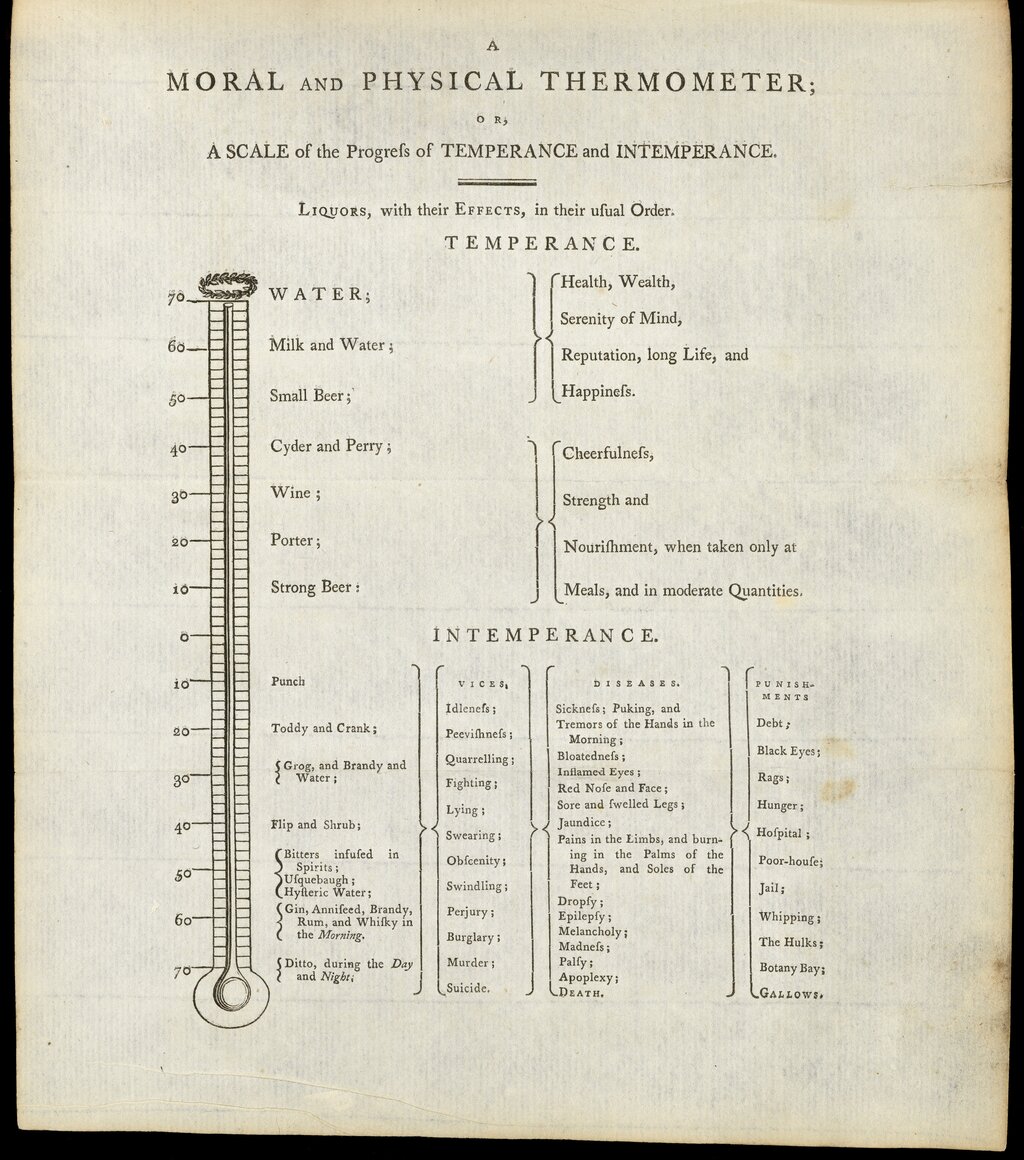
The idea of a nationwide ban on alcohol didn't appear overnight. It was the culmination of a century-long campaign by the temperance movement. Groups like the Woman's Christian Temperance Union and the powerful Anti-Saloon League argued that alcohol was the root of society's problems, from domestic violence to political corruption.
Their message found fertile ground in early 20th-century America. Many saw temperance as a progressive reform, a way to improve public health and morality. The movement also tapped into anti-immigrant sentiments, as saloons were often hubs for immigrant communities. World War I provided the final push. The need to conserve grain for the war effort, combined with anti-German prejudice against brewers with German names, gave the temperance cause a patriotic edge.
Congress passed the 18th Amendment in 1917, and it was ratified by the states two years later. The amendment itself was short and to the point.
After one year from the ratification of this article the manufacture, sale, or transportation of intoxicating liquors within, the importation thereof into, or the exportation thereof from the United States and all territory subject to the jurisdiction thereof for beverage purposes is hereby prohibited.
But the amendment needed teeth. That came in the form of the National Prohibition Act, better known as the Volstead Act. This law defined what constituted an "intoxicating liquor"—any beverage with more than 0.5% alcohol content. It also outlined the federal penalties for breaking the law and gave government agents the power to enforce the ban.
An Unintended Transformation
The effects of Prohibition were immediate and dramatic. Thousands of breweries, distilleries, and saloons across the country closed their doors. This created a huge economic shock. Countless jobs were lost, from brewers and bartenders to barrel makers and truck drivers. Governments also lost a major source of revenue, as taxes on alcohol sales disappeared.
While some people did stop drinking, many others simply found new ways to get alcohol. The law had a major loophole: it didn't ban the actual consumption of alcohol. People who had stockpiled liquor before the ban could legally drink it in their homes. For everyone else, a vast illegal market emerged.
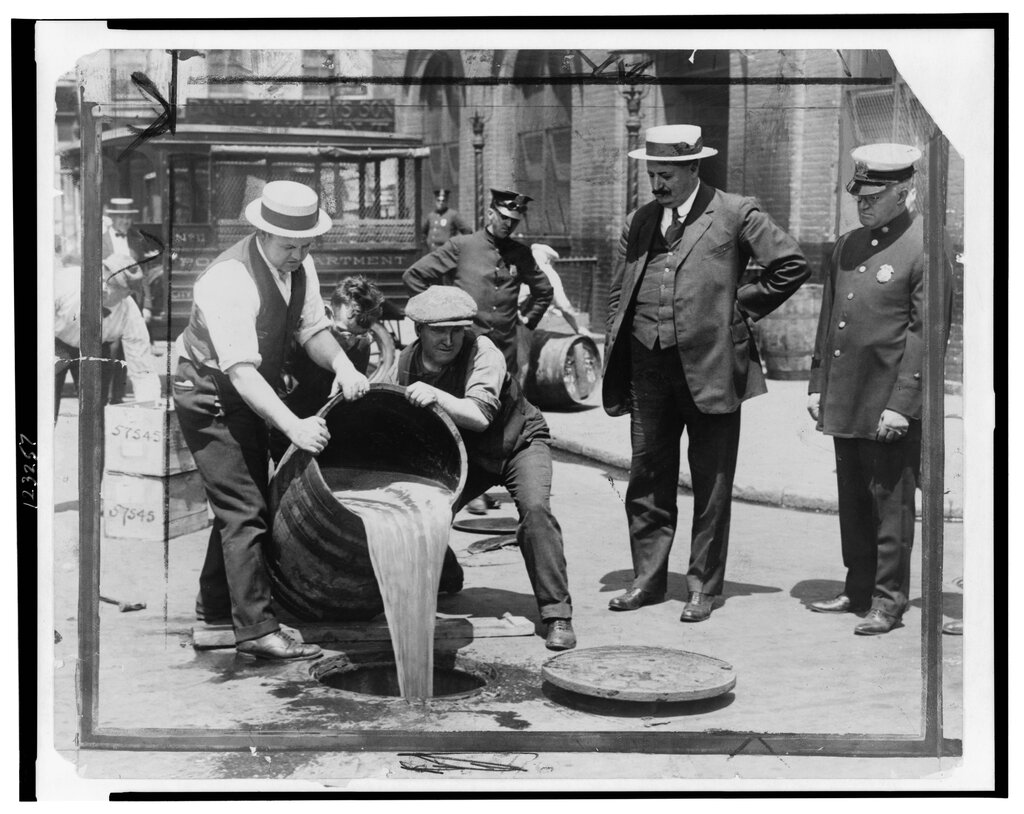
Speakeasies—hidden, illegal bars—sprung up in cities everywhere, replacing the old saloons. Doctors could prescribe whiskey for medicinal purposes, leading to a surge in creative ailments. People also started making their own alcohol at home, sometimes with dangerous results. This new landscape created a golden opportunity for criminals.
The Rise of Organized Crime
Before Prohibition, organized crime was mostly a local affair. But the nationwide ban on alcohol created a multi-billion dollar black market. Supplying this market required sophisticated operations to produce, smuggle, and distribute liquor.
Small-time street gangs evolved into powerful criminal empires. Figures like Al Capone in Chicago and Lucky Luciano in New York built fortunes by controlling the illegal liquor trade. They operated with ruthless efficiency, using bribery to corrupt police and politicians and violence to eliminate rivals. The St. Valentine's Day Massacre in 1929, where seven members of a rival gang were executed in Chicago, became a symbol of the era's brutal gang warfare.
By the late 1920s, public opinion began to turn against Prohibition. It was clear the policy had failed to create a more moral society. Instead, it had fueled disrespect for the law and enriched violent criminals. The onset of the Great Depression sealed its fate, as the government desperately needed the tax revenue and jobs that a legal alcohol industry could provide. In 1933, the 21st Amendment was ratified, repealing the 18th and ending the nation's "great experiment."
What was the name of the law passed to enforce the 18th Amendment, which defined "intoxicating liquor" as any beverage with more than 0.5% alcohol?
Which of the following was a primary reason for the repeal of Prohibition in 1933?