Programming Project Structure Fundamentals
Project Planning
Before the First Line of Code
Before a single line of code is written, the most important work on a programming project happens. Think about building a house. You wouldn't just start hammering boards together without a blueprint. A software project is no different. The initial planning phase is the foundation for everything that follows.
A solid plan ensures everyone involved, from developers to clients, shares the same vision. It helps create software that is easier to maintain and expand later on. Without it, you risk wasting time, going over budget, and building something nobody actually needs.
Planning before programming is an essential step that saves time and reduces errors.
What Are We Building?
The first step is figuring out exactly what the software needs to do. This is called requirement gathering. It involves talking to the people who will use the software—the stakeholders—to understand their problems and goals.
Requirements come in two main flavors:
- Functional requirements describe what the system does. For a simple to-do list app, this might include things like "Users must be able to add a new task," or "Users must be able to mark a task as complete."
- Non-functional requirements describe how the system performs. These are about qualities like speed, security, and usability. For our to-do app, a non-functional requirement might be "The app must load in under two seconds."
Gathering these details isn't a one-time event. It's a conversation that helps refine the project's vision from a vague idea into a concrete set of features.
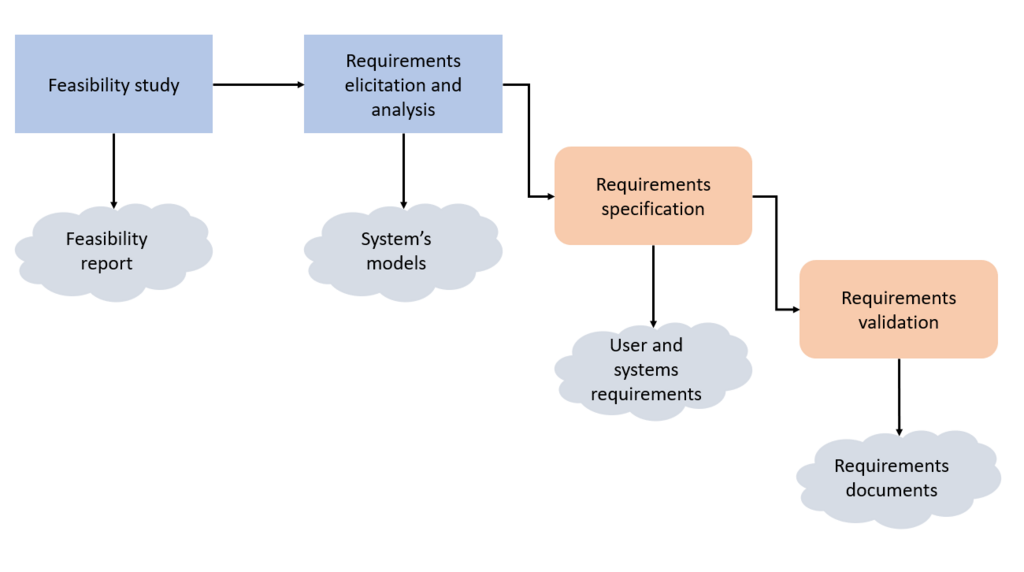
Drawing the Boundaries
Once you know the requirements, you can define the project's scope. The scope is a clear agreement on what will be built. It sets the boundaries. Just as important, it clarifies what will not be built.
This is your best defense against "scope creep," a common problem where new features and requests are continuously added to a project, causing delays and confusion. A well-defined scope acts like a fence, keeping the project focused.
With a clear scope, you can set your objectives. A good objective is SMART:
- Specific: Clearly state what you want to accomplish.
- Measurable: Define how you'll know you've succeeded.
- Achievable: Make sure the goal is realistic.
- Relevant: Ensure it aligns with the overall vision.
- Time-bound: Set a deadline.
For our to-do list app, a SMART objective might be: "Launch a basic iOS app in three months that allows users to create, view, and complete tasks."
Defining what your project won't do is just as crucial as defining what it will.
Mapping the Journey
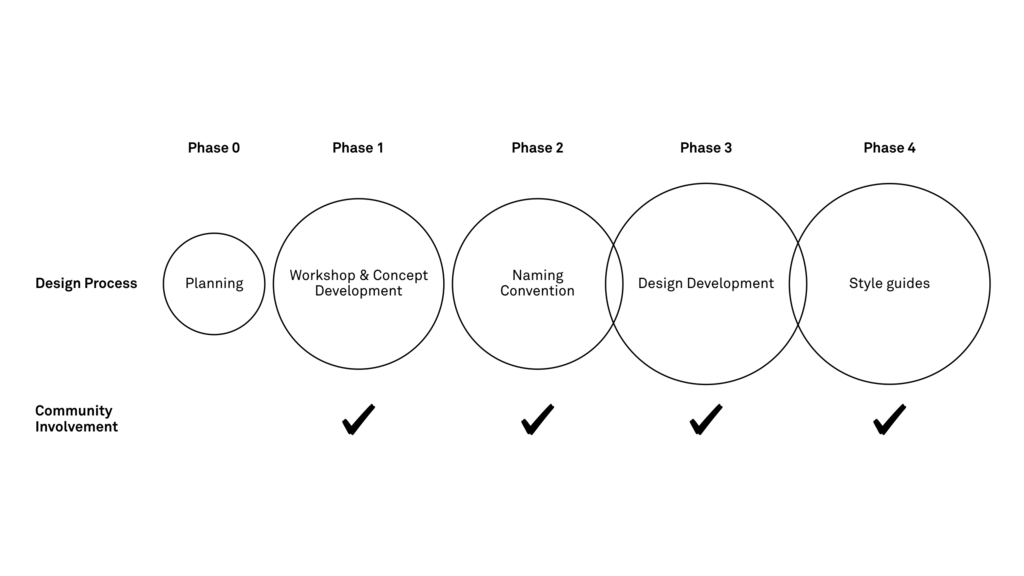
A project can feel overwhelming. The key is to break it down into smaller, manageable pieces. This is where milestones and timelines come in. Milestones are major checkpoints in the project that represent a significant achievement, like completing the user interface design or finishing the database setup.
A timeline lays out these milestones in chronological order, providing a roadmap from start to finish. It doesn't have to be perfect, but it creates a shared understanding of the schedule and helps track progress. If a milestone is missed, the team knows immediately that the project is falling behind.
What Could Go Wrong?
No plan is complete without considering the risks. Risk identification is the process of thinking about potential problems before they happen. What if a key team member gets sick? What if a technology we planned to use doesn't work as expected? What if the client changes their mind about a core feature?
Once you've identified risks, you can plan how to handle them. This is called risk mitigation. For a technical risk, you might research a backup technology. For a team-related risk, you might ensure that knowledge is shared among multiple people. You can't foresee every problem, but planning for the most likely ones makes your project much more resilient.
| Risk Category | Example | Mitigation Strategy |
|---|---|---|
| Technical | A new software library has unexpected bugs. | Allocate extra time for testing; have a backup library in mind. |
| Resource | A key developer leaves the project. | Document everything clearly so someone else can take over. |
| Scope | The client requests major new features mid-project. | Refer back to the agreed-upon scope; create a formal process for change requests. |
Ready to test your understanding of project planning?
What is the primary purpose of the initial planning phase in a software project?
Which of the following is an example of a non-functional requirement for a social media application?
This upfront work might seem like a delay, but it's an investment. A well-planned project is smoother, more predictable, and far more likely to succeed.