Programming Logic Essentials
Introduction to Programming Logic
Telling a Computer What to Do
At its heart, programming is about giving a computer a set of instructions to follow. But computers don't understand nuance or common sense. They do exactly what you tell them, in the exact order you tell them to do it. This is why programming logic is so important. It's the skill of arranging instructions in a way that leads to a desired outcome.
Think of it like a recipe. If you're baking a cake, you have to mix the ingredients before you put the pan in the oven. The sequence matters. Programming logic is the recipe for solving a problem with a computer. To write these recipes, we use a few fundamental building blocks called control structures.
It is critical that people give instructions in the proper sequence because computers do exactly what they are programmed to do; if the instructions are not sequenced properly, the algorithm will not achieve the desired result.
The Three Basic Structures
No matter how complex a program seems, from a simple calculator to a massive video game, its logic is built from just three types of control structures. Understanding them is the first real step to thinking like a programmer.
These three structures are:
- Sequence: Doing things in order.
- Selection: Making a choice.
- Iteration: Repeating an action.
Let's look at each one.
Sequence is the most straightforward. It means the computer will run your instructions one by one, from top to bottom, without skipping any. Every program has sequences of instructions.
Example: To make a peanut butter sandwich, you first get two slices of bread, then you spread the peanut butter, and finally you put the slices together. The order is crucial.
Selection is used for making decisions. It allows a program to follow different paths based on whether a certain condition is true or false. This is often called a "conditional" or an "if-then" statement.
Example: If it's raining outside, then you will take an umbrella. Otherwise, you will take sunglasses. The program checks a condition (is it raining?) and acts accordingly.
Iteration means repeating a block of instructions. This is also known as a loop. Loops are incredibly powerful because they automate repetitive tasks. Instead of writing the same line of code 100 times, you can write it once inside a loop and tell the computer to run it 100 times.
Example: When you wash a stack of dirty dishes, you repeat the same process—scrub, rinse, place in rack—for each dish. You continue this loop until there are no more dirty dishes in the sink.
Building an Algorithm
An algorithm is simply a step-by-step procedure for solving a problem or accomplishing a task. When you write a program, you are essentially designing an algorithm for the computer to follow. You build these algorithms by combining the three control structures.
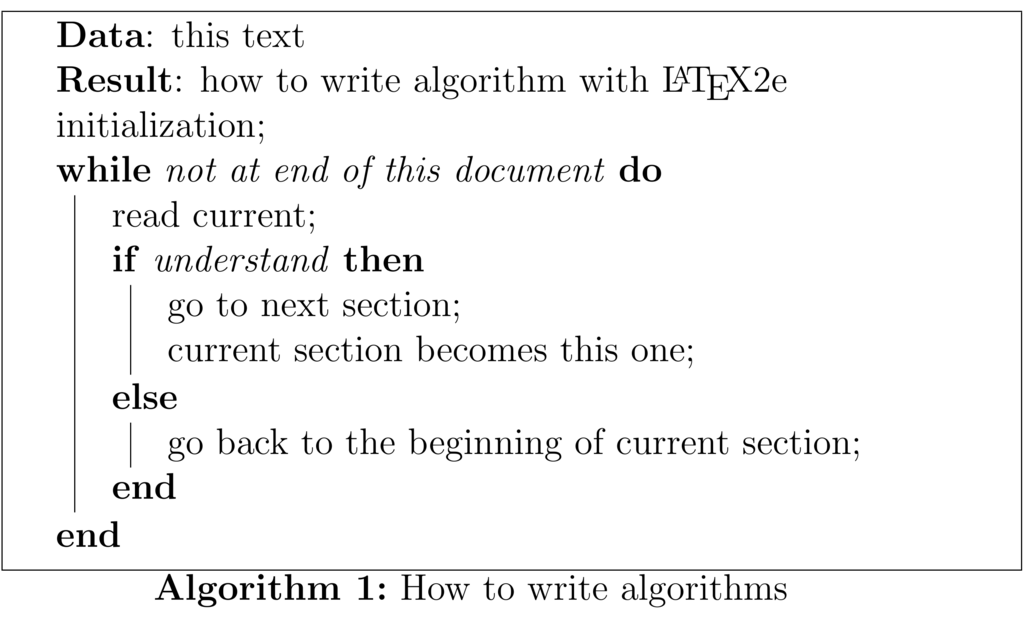
For instance, an algorithm to get ready for the day might look like this:
- Wake up (Sequence)
- Look out the window (Sequence)
- If it is raining, pick out a raincoat. Otherwise, pick out a t-shirt (Selection)
- Get dressed (Sequence)
- While you are still hungry, eat a spoonful of cereal (Iteration)
By arranging and combining sequence, selection, and iteration, you can create the logic for any task, no matter how simple or complex.
What is the primary purpose of programming logic?
A program needs to check if a user is over 18 and display a different message for adults versus minors. Which control structure is best suited for this task?
With these three building blocks, you have the foundation for all programming logic.