Programming Fundamentals
Introduction to Programming
Giving the Computer Instructions
At its heart, programming is simply the process of giving a computer a set of instructions to perform a specific task. Think of it like writing a recipe. A recipe lists ingredients and provides step-by-step directions to turn those ingredients into a meal. In the same way, a program provides the computer with data and a sequence of commands to produce a desired result.
Computers are incredibly fast and powerful, but they can't think for themselves. They need to be told exactly what to do, in a language they can understand. This set of instructions is what we call a program, and the act of writing it is programming. The instructions themselves are written in what's called 'code'.
Programming is breaking a complex task into smaller, manageable steps, and then telling the computer how to execute those steps in order.
The Plan Before the Code
Before you write a single line of code, you need a plan. In programming, that plan is called an algorithm. An algorithm is a step-by-step procedure for solving a problem or accomplishing a task. It’s the logic behind the program.
Let’s use a simple, everyday task: making a cup of tea. The algorithm might look something like this:
Each step is clear, unambiguous, and performed in a specific sequence. If you miss a step or do them in the wrong order, you won't get a proper cup of tea. Programming works the same way. Developing a clear algorithm is the most critical part of solving a problem with a computer. The code just translates that algorithm into a language the computer understands.
Languages for Computers
Just as humans use different languages to communicate, programmers use different programming languages to communicate with computers. Each language has its own syntax and rules, but they all serve the same purpose: to turn human-readable logic into machine-executable instructions.
There are hundreds of programming languages, each with its own strengths. Some popular examples include:
- Python: Known for its simple, clean syntax, making it great for beginners and widely used in data science and web development.
- JavaScript: The language of web browsers, used to create interactive websites and web applications.
- C++: A powerful language used for performance-critical applications like video games, operating systems, and financial trading software.
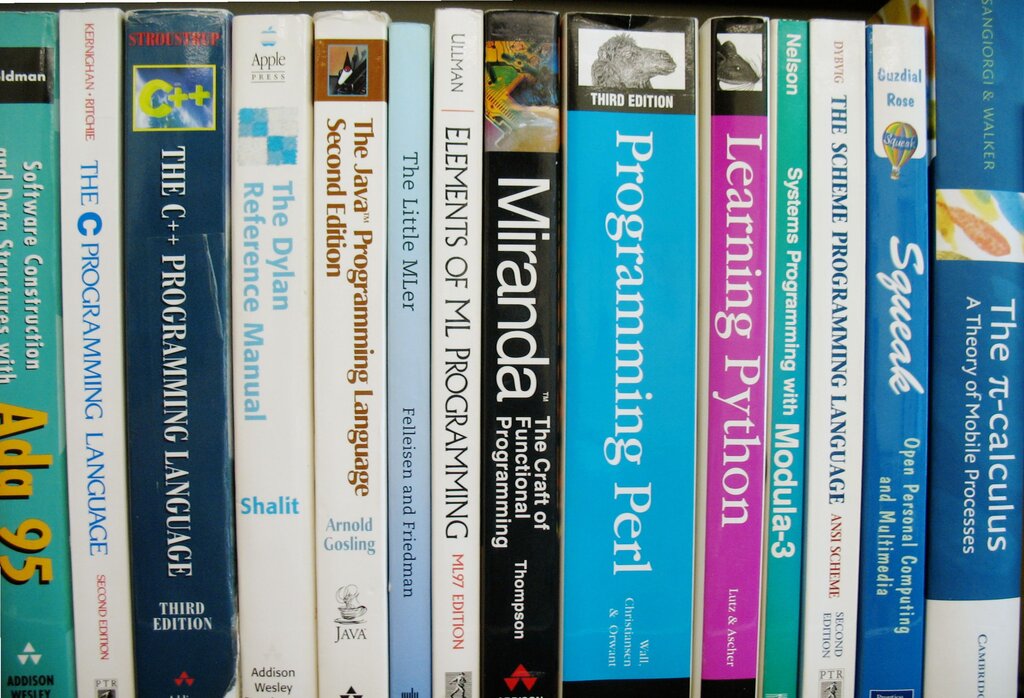
The choice of language often depends on the type of problem you are trying to solve. But the fundamental problem-solving skills and the ability to think algorithmically are transferable across all of them. Once you learn one language, picking up another becomes much easier.
The Structure of a Program
While programs can be vastly different, most share a basic structure. They take some kind of input, process it, and then produce an output.
- Input: The data that a program receives. This could be text typed by a user, a click of a mouse, or data from a file or network.
- Processing: The program manipulates the input based on its algorithm. This could involve performing calculations, modifying text, or making decisions based on the data.
- Output: The result of the processing. This could be text displayed on the screen, a new file being saved, or a change in a webpage's appearance.
Let's look at the simplest program most people write when learning a new language. It's called "Hello, World!" and its only job is to display that phrase on the screen.
// This is a 'Hello, World!' program in a generic style

function main() {
  // This command prints text to the screen
  print("Hello, World!");
}

// Run the main part of the program
main();
In this example:
- Input: There is no user input.
- Processing: The program processes the instruction to
printa specific string of text. - Output: The text "Hello, World!" is displayed.
This simple structure is the foundation for even the most complex software.
Which of the following is the best analogy for what a program is?
An algorithm is the specific code written in a programming language like Python or C++.
Understanding these core ideas—what programming is, the role of algorithms, and the basic structure of a program—is the first step on your journey. It's less about memorizing syntax and more about learning a new way to think and solve problems.