Programming Fundamentals
Introduction to Programming
What is Programming?
At its heart, programming is simply telling a computer what to do. Think of it like writing a very detailed recipe. You provide a set of instructions, step by step, and the computer follows them exactly. These instructions can be simple, like adding two numbers, or incredibly complex, like powering a social media app or guiding a spacecraft.
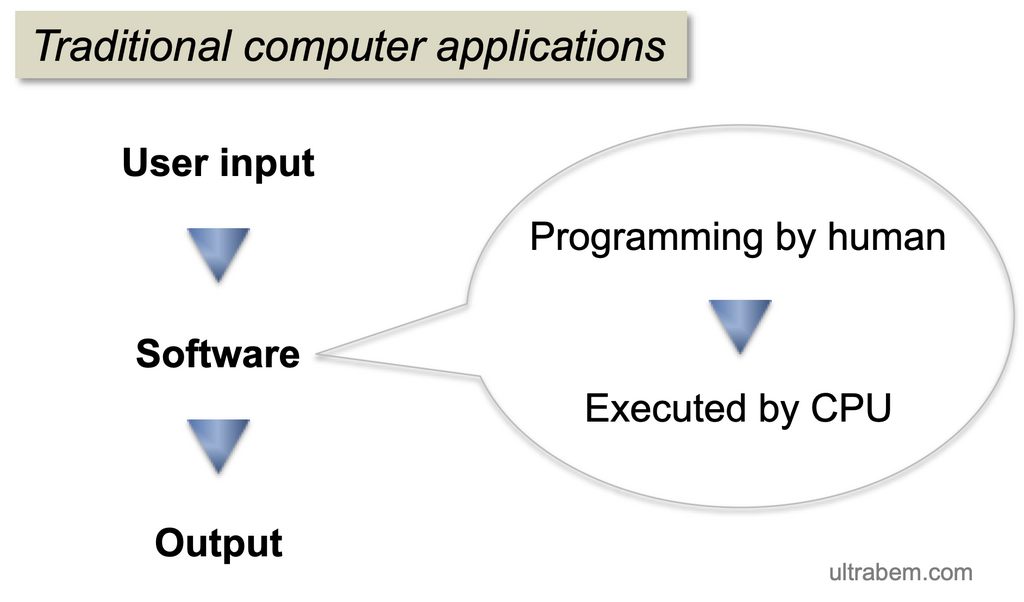
Computers are powerful, but they aren't smart on their own. They can't guess what you want. Programming provides the logic and the commands that bring a computer to life, allowing it to perform tasks, solve problems, and create new things.
Programming
noun
The process of creating a set of instructions that tell a computer how to perform a task.
The Language of Computers
You can't just talk to a computer in English or Spanish. Computers have their own language, a fundamental code made of ones and zeros called binary. Trying to write instructions in pure binary would be incredibly slow and difficult for humans.
This is where programming languages come in. They act as a bridge, or a translator, between human language and machine language. A programming language uses words and symbols that are easier for us to read and write, which are then converted into the binary instructions the computer can understand.
Programming languages allow us to write instructions in a human-readable format, which a special program then translates into machine-readable binary code.
From Code to Action
So you've written your instructions in a programming language. What happens next? How does your code actually make the computer do something?
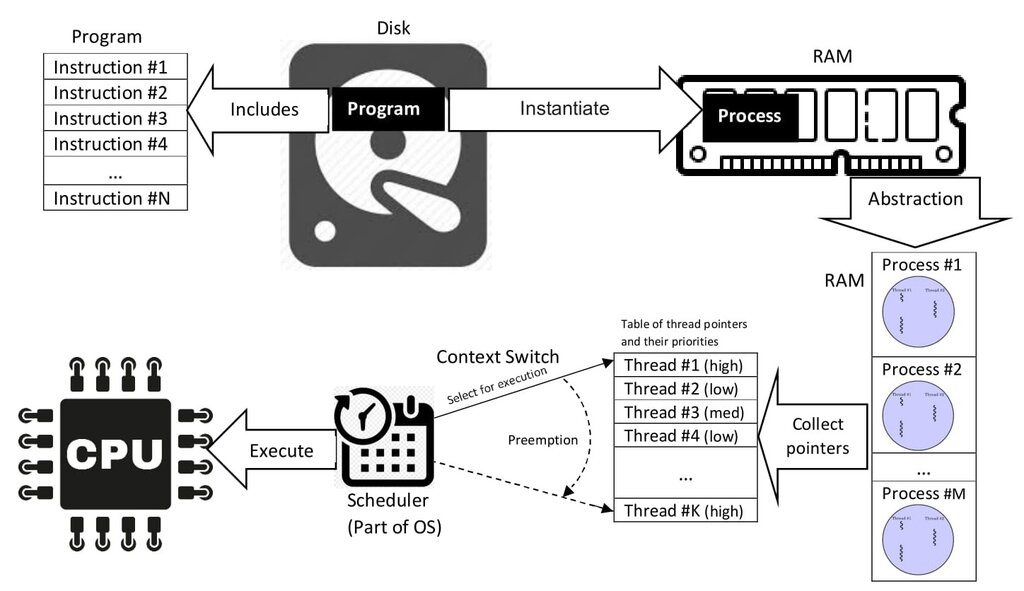
A program called a compiler or an interpreter reads your code. It checks for errors and then translates it into the low-level machine code the computer's processor can execute. This process is like a chef taking a recipe written in English and translating it into the precise actions of chopping, mixing, and heating to create the final dish.
Once translated, the computer's central processing unit (CPU) carries out the instructions one by one, at lightning speed. This execution is what makes your app open, your game run, or your calculations appear on the screen.
Why Learn to Code?
Learning to code isn't just for software developers. In today's world, it's a skill that can benefit almost anyone. Programming teaches you how to think logically and break down complex problems into smaller, manageable steps. It's a powerful tool for creativity, allowing you to build anything you can imagine, from a personal blog to a helpful mobile app.
Understanding the basics of programming also helps you understand the technology that shapes our lives. It demystifies how the apps on your phone and the websites you visit actually work. Whether you want to pursue a career in tech, automate tasks in your current job, or just bring a creative idea to life, learning to code opens up a world of possibilities.
Time for a quick check on these foundational ideas.
What is the primary role of a programming language?
In the analogy where programming is a recipe, what does the compiler or interpreter represent?
That covers the basics of what programming is and why it's such a valuable skill.