Programming AI Agents
Introduction to AI Agents
What Are AI Agents?
An AI agent is a system that can observe its environment, make its own decisions, and take actions to achieve specific goals. Think of it like a smart thermostat. It senses the room's temperature (perception), decides if it's too hot or cold based on your settings (decision-making), and turns the heat or AC on or off (action). The goal is to keep you comfortable.
An AI agent is a software program designed to understand its environment, process information, and take actions to achieve specific goals.
This basic loop of perceiving, thinking, and acting is central to all AI agents. They are designed to be autonomous, meaning they can operate without constant human guidance. They don't just follow a rigid script; they react to changes and work towards their objectives on their own.
Different Ways of Thinking
Not all agents make decisions the same way. Their complexity and 'thought process' can vary greatly depending on their task. We can group them into a few main categories.
Reactive Agent
noun
An agent that makes decisions based only on the current state of its environment, without considering past events or future consequences.
These are the most basic agents. They operate on a simple “if this, then that” logic. A classic example is a robot vacuum. If its sensor detects a wall, it turns. It doesn't remember hitting the wall before or plan a route to avoid it next time. It just reacts to what's happening right now.
Deliberative Agent
noun
An agent that maintains an internal model of the world and uses it to plan its actions, considering the past and potential future outcomes.
Deliberative agents are planners. They don't just react; they think ahead. They have an internal representation, or 'map,' of their world and use it to consider the consequences of their actions. A GPS navigation system is a good example. It doesn't just see the next turn; it analyzes the entire map, considers traffic data (its environment), and calculates the best overall route to your destination.
A hybrid agent combines the best of both worlds. It uses reactive behaviors for immediate needs and deliberative planning for long-term goals.
Think of a Mars rover. It needs to react instantly to avoid falling into a crater (a reactive behavior). But it also needs to plan its path to a distant rock formation to take samples (a deliberative, goal-oriented plan). By combining these approaches, hybrid agents can handle complex, unpredictable environments effectively.
Agents in the Wild
AI agents are already all around us, often working behind the scenes. They power the recommendation engines on streaming services, deciding what movie you might like next based on your viewing history. They manage stock trading, executing buy or sell orders based on market fluctuations.
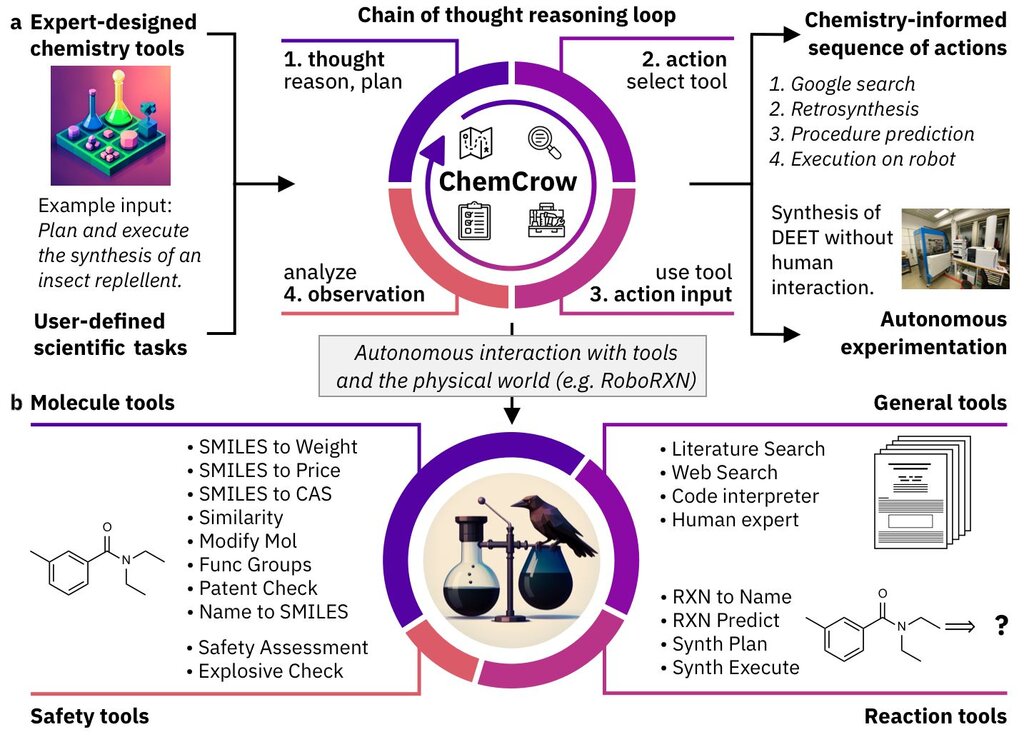
In customer service, AI chatbots are agents designed to understand your questions and provide answers or route you to the right person. In video games, non-player characters (NPCs) are agents that react to your actions and follow their own goals within the game world, making the experience more dynamic and immersive.
What are the three core steps that define the fundamental operational loop of an AI agent?
An AI agent is considered autonomous because it can operate without constant human guidance.
Understanding these basic concepts is the first step toward seeing how more complex AI systems are designed and built. Whether simple or complex, all AI agents share the fundamental ability to perceive, decide, and act on their own.