Profiting From Your Assets
Understanding Personal Assets
What You Own
Before you can make your money work for you, you need a clear picture of what you have. In finance, the things you own that have value are called assets. Think of them as the building blocks of your personal wealth.
Asset
noun
A resource with economic value that an individual owns with the expectation that it will provide a future benefit.
Assets can be anything from the cash in your wallet to the car you drive. Understanding what they are and what they're worth is the first step in managing your financial life. It's like taking inventory before you decide what to do with your stock.
One way to think about assets and liabilities is that assets are things you own while liabilities are things you owe.
For now, we'll focus just on the 'own' part of the equation. Let's break down the different kinds of assets you might have.
Types of Assets
Not all assets are created equal. Some are easier to use than others. We can sort them into three main categories: liquid, tangible, and intangible.
Liquid Assets are things you can convert into cash quickly and easily, without losing much value.
This is your most accessible money. It includes physical cash, the funds in your checking and savings accounts, and money market accounts. If you needed to pay for an emergency tomorrow, you'd likely use a liquid asset.
Tangible Assets are physical items you can touch. Your house, your car, jewelry, and valuable art collections are all tangible assets. While they hold significant value, turning them into cash isn't as simple. Selling a house, for example, can take months.
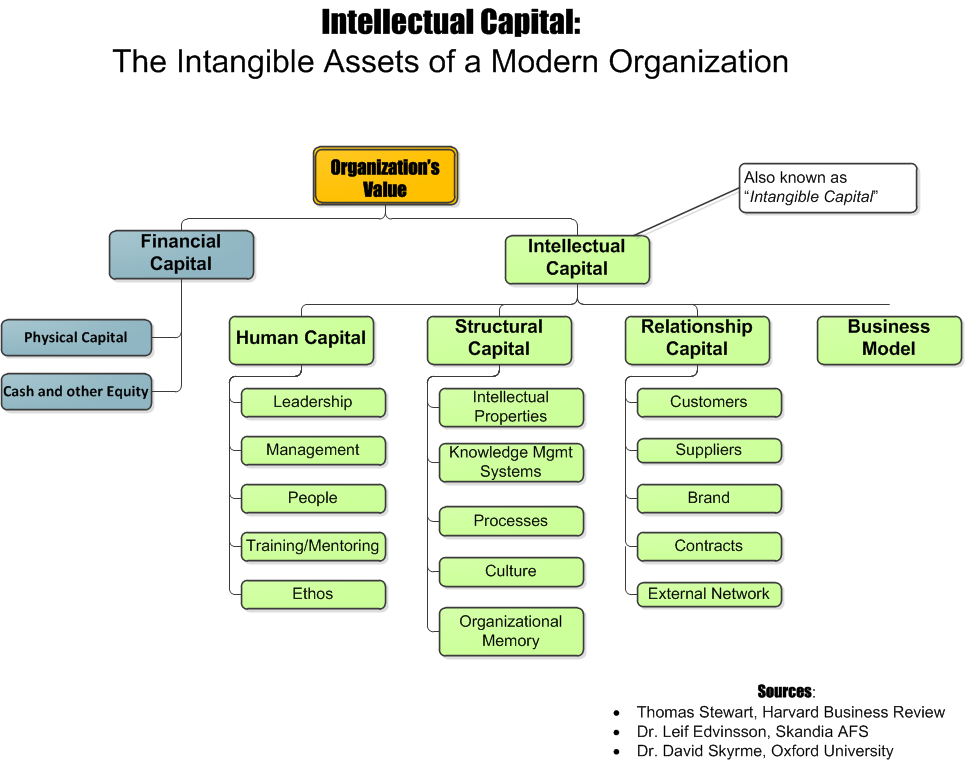
Finally, there are Intangible Assets. These don't have a physical form, but they still have value. Think of stocks, bonds, and mutual funds. These represent ownership or a creditor relationship in a company or entity. Other examples could include intellectual property, like a patent or a book's copyright, though these are less common for most people.
| Asset Type | Description | Examples |
|---|---|---|
| Liquid | Easily converted to cash | Cash, checking accounts, savings accounts |
| Tangible | Physical items you own | House, car, jewelry, collectibles |
| Intangible | Non-physical, but hold value | Stocks, bonds, mutual funds, copyrights |
How to Value Your Assets
Knowing what you own is one thing; knowing what it's worth is another. The goal is to determine the fair market value of each asset—what someone would realistically pay for it today.
Valuing liquid assets is straightforward. The value is simply the balance in your account.
For intangible assets like stocks and bonds, the value is also easy to find. You can check the current market price through any financial news source or your brokerage account. The value changes daily, but it's always available.
Tangible assets are the trickiest. To find the value of your home, you might look at real estate websites for estimates or get a professional appraisal. For your car, you can use resources like Kelley Blue Book. The key is to be realistic, not sentimental. What it's worth to you might not be what it's worth on the open market.
Creating a list of all your assets and their current values gives you a snapshot of your financial position. This is the first half of building your personal balance sheet.
Now that you can identify and value your assets, let's test your understanding.
In personal finance, which of the following best defines an asset?
A company's stock is considered which type of asset?
Getting a handle on your assets is the foundation for smart financial planning. With this inventory in hand, you're ready to move on to the next step.