Professional YouTube Video Editing and Workflow Optimization
Narrative Pacing Techniques
Editing for Retention
You know how to make cuts. Now, let's talk about making cuts that count. On YouTube, editing isn't just about removing mistakes; it's about actively holding a viewer's attention from the first second to the last. This is the difference between an editor and a storyteller.
The most critical part of your video is the first 30 seconds. This is where most viewers decide whether to stick around or click away. Your job is to front-load the value. Don't waste time with long, branded intros or by slowly easing into the topic. Start with a hook: a provocative question, a surprising statement, or a quick preview of the most exciting part of the video. Give them a reason to believe the next 10 minutes will be worth their time.
Think of it as the trailer for your own video, but it happens in the first few moments. You're making a promise of value, and the rest of the video is you keeping that promise.
The Rhythm of the Cut
Once you've hooked your viewer, you need to maintain momentum. This comes from the rhythm of your editing, which is often tied directly to the rhythm of your speech.
Forget leaving comfortable pauses. You need to cut close to the 'head' and 'tail' of your audio waveforms. This means trimming every bit of silence right before a word starts and right after it ends. This technique, sometimes called 'cutting to the head', makes the delivery feel energetic and confident. It removes hesitation and keeps the information flowing without any dead air.
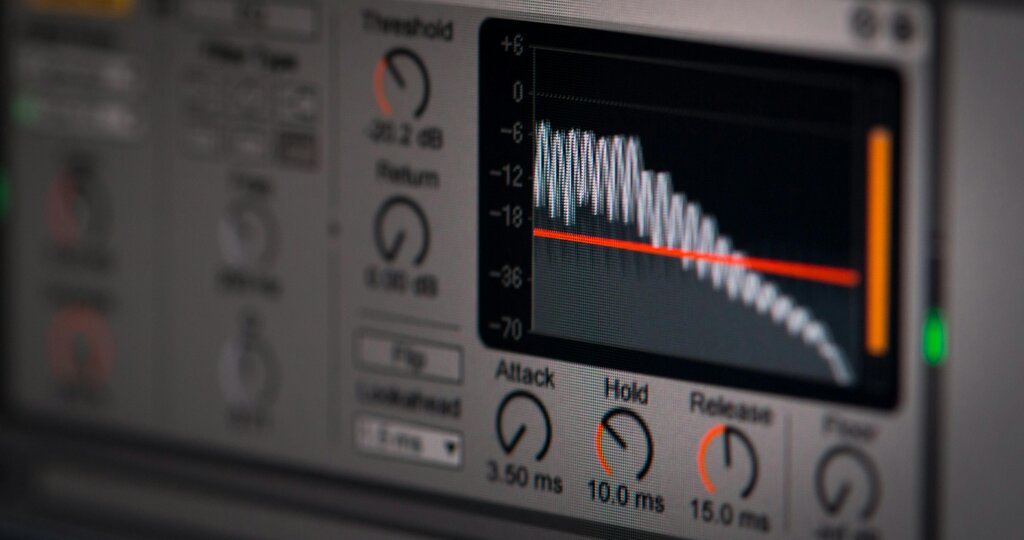
This leads to rhythmic editing. Instead of cutting at random intervals, use the natural beats of your speech as a guide. Make a cut on a key word, at the end of a sentence, or even between clauses. This creates a subconscious pulse that keeps the viewer engaged. The cuts feel natural because they align with the cadence of the information being presented.
Think about the relationship between two sequential shots. This is sometimes called the 'Chocolate Effect' a reference to the satisfying combination of peanut butter and chocolate. Each cut should feel like it logically and satisfyingly follows the last, creating a chain reaction of engagement. A shot of you speaking could cut to a graphic illustrating your point, which then cuts back to you for the conclusion. The sequence makes sense and adds value.
Resetting the Clock
Even with perfect rhythm, a viewer's attention will naturally wane. The human brain gets used to patterns. To combat this, you need to intentionally shift your pacing every 60 to 90 seconds. This acts as an attention reset.
If you've been using a fast series of jump cuts and B-roll clips, slow down for a moment. Hold on a single shot for a few extra seconds while you explain a crucial point. Conversely, if the pace has been slower and more deliberate, inject a burst of energy with a quick montage, a text overlay, or a faster cutting sequence. These 'pacing shifts' break the hypnosis of a monotonous rhythm and re-engage the viewer's brain.
Pacing is the rhythm of storytelling or the flow that shapes how an audience experiences a story in the video.
However, there's a fine line between engagement and exhaustion. Over-editing—filling every second with zooms, sound effects, and constant cuts—can be just as bad as under-editing. It can overwhelm the viewer and make the content hard to follow. The goal is to be dynamic, not chaotic. Use energetic editing to highlight key moments, not to mask a lack of substance. The best editing serves the story, enhancing the message without becoming the message itself.
What is the primary goal of the first 30 seconds of a YouTube video, according to the principles of attention-based editing?
The technique of trimming every bit of silence from the beginning and end of audio clips to create an energetic pace is often called...